


 Textile


Project Snapshot
| Client | Radnik Exports Global Private Limited |
| Sector | Textile & Apparel Manufacturing (Garment Export) |
| Location | New Delhi, Noida & Gurgaon (Delhi NCR) |
| Application | Shop-Floor Cooling for Garment Manufacturing Units |
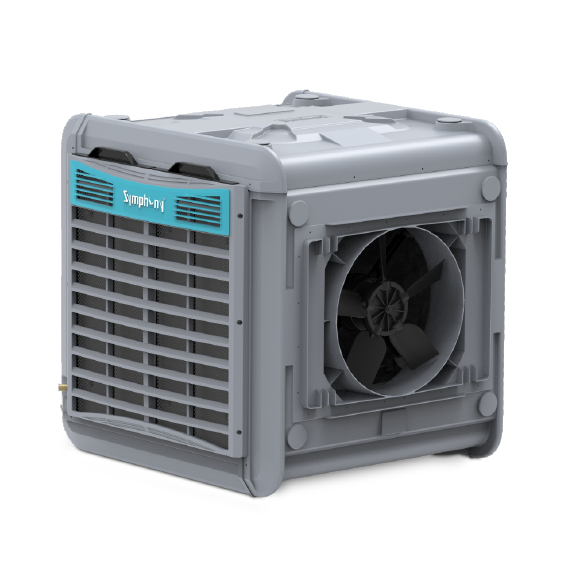
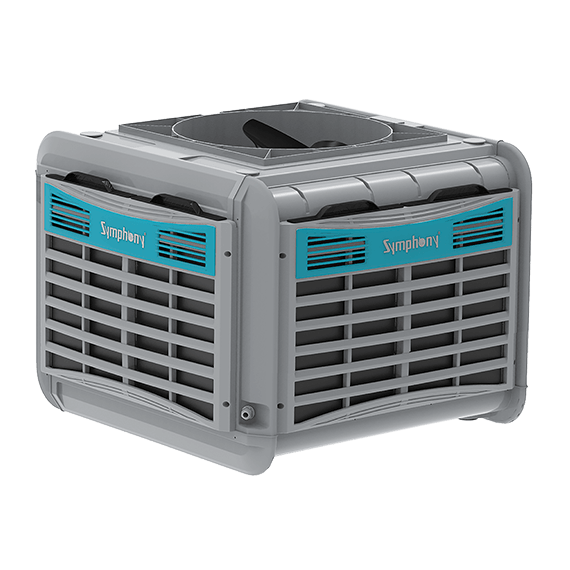
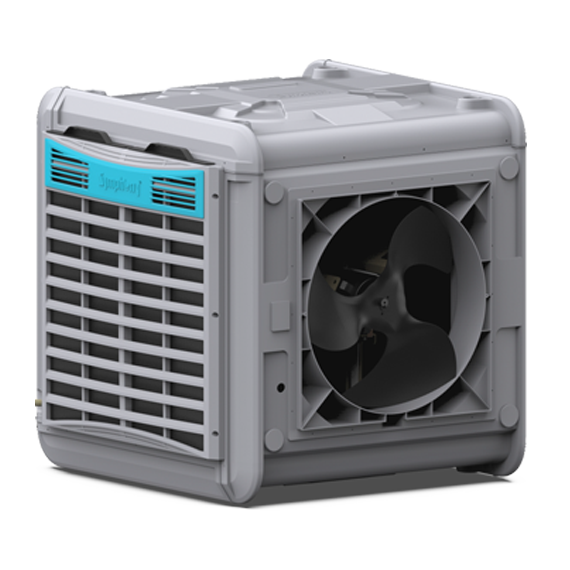
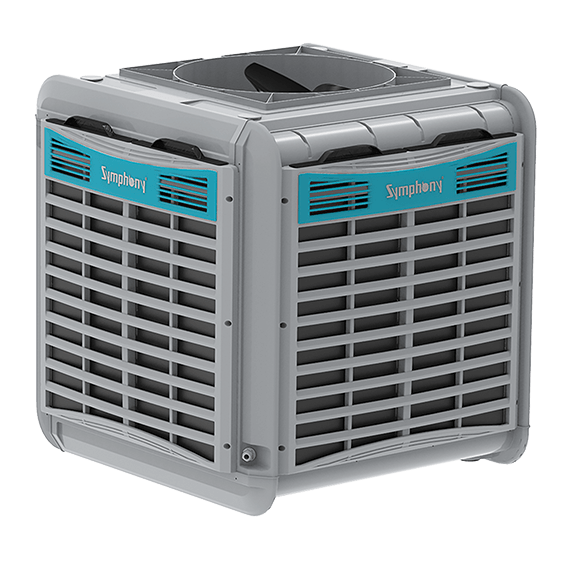
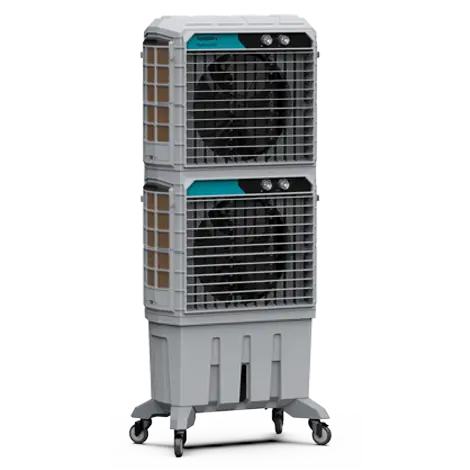
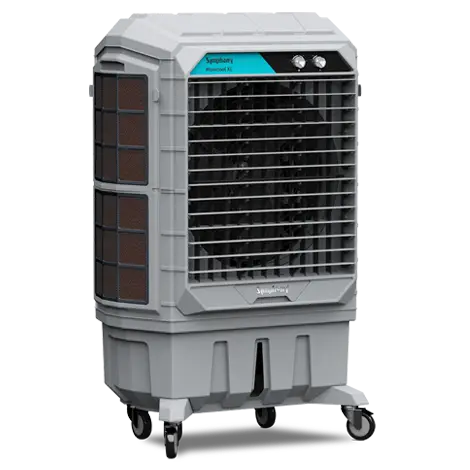
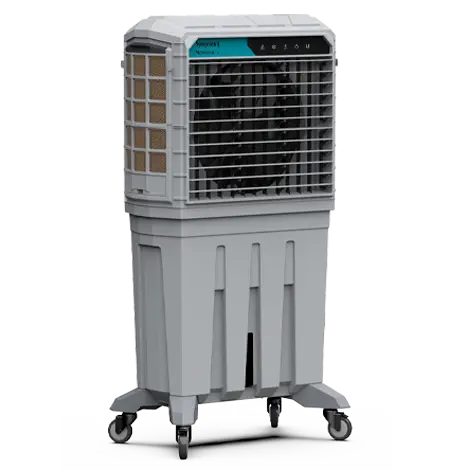
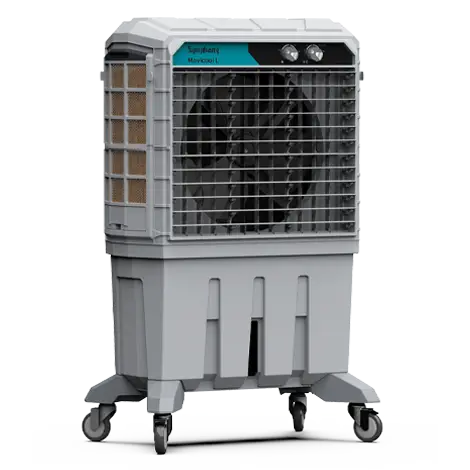
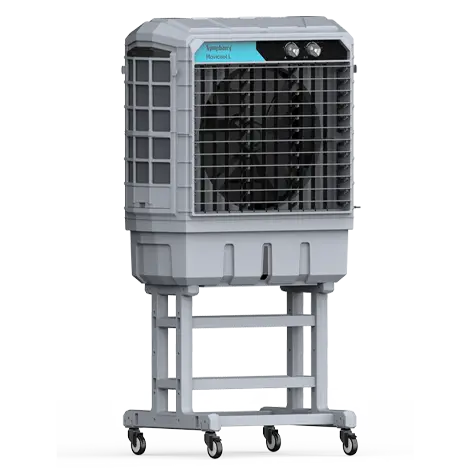
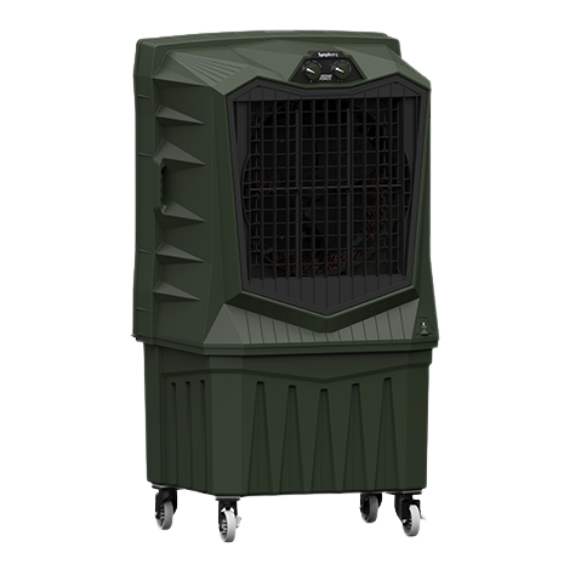
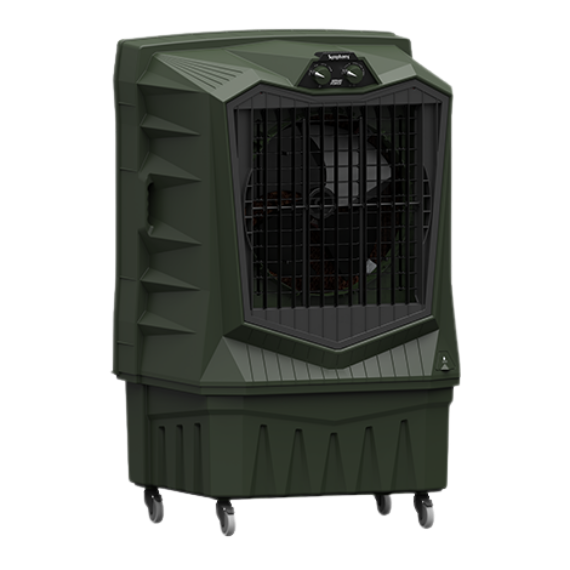
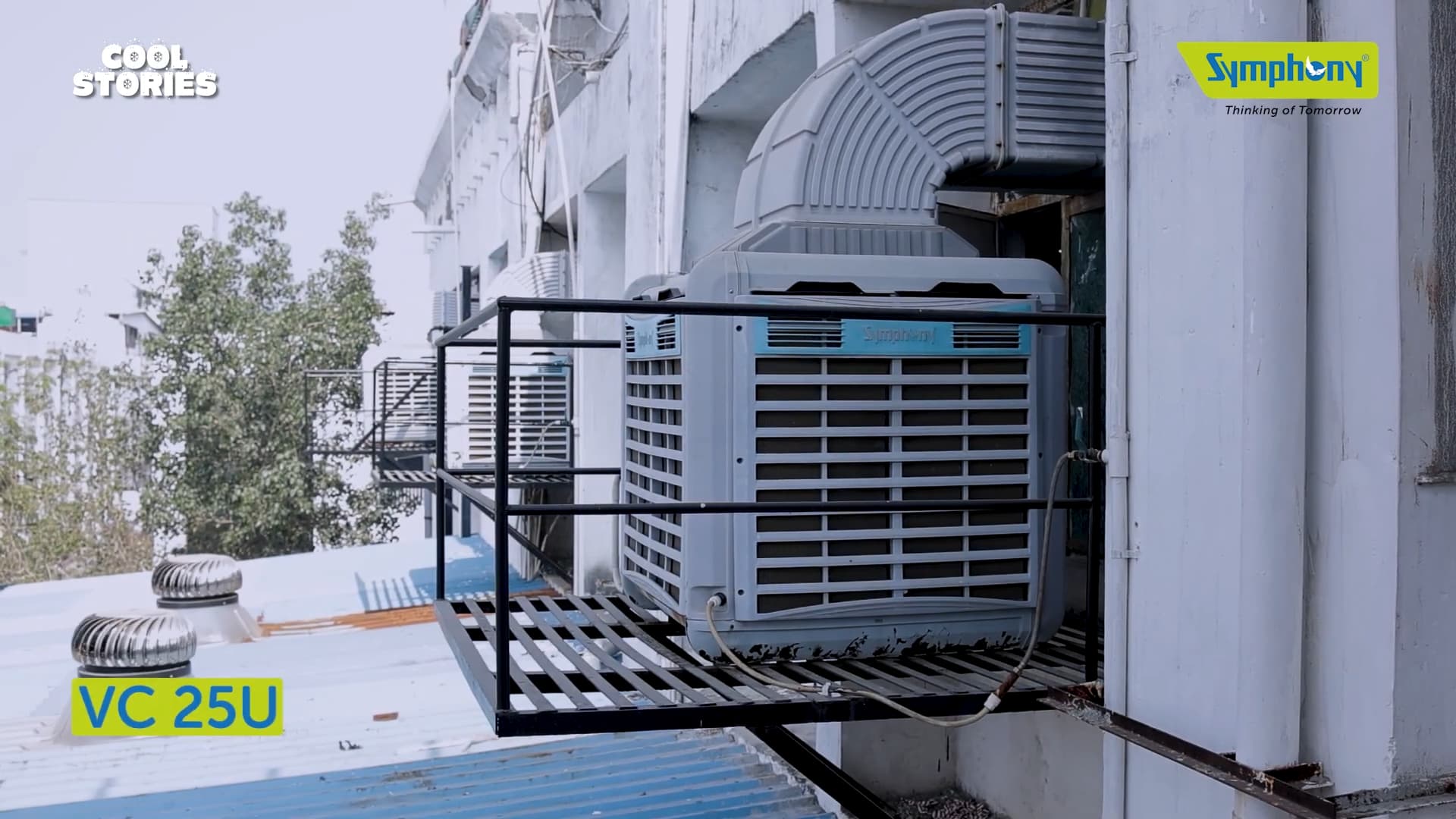
| Installation | Symphony Large Space Venti-Cooling (LSV) Industrial Coolers - deployed across multiple factory floors, including units employing 2,000–3,000 workers |
| Key Concern | Replacing power-hungry, ducted "orthodox" coolers with individual, ducting-free cooling to cut machine damage and improve operator comfort |
Challenge
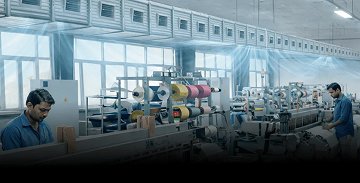
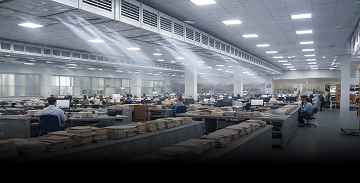
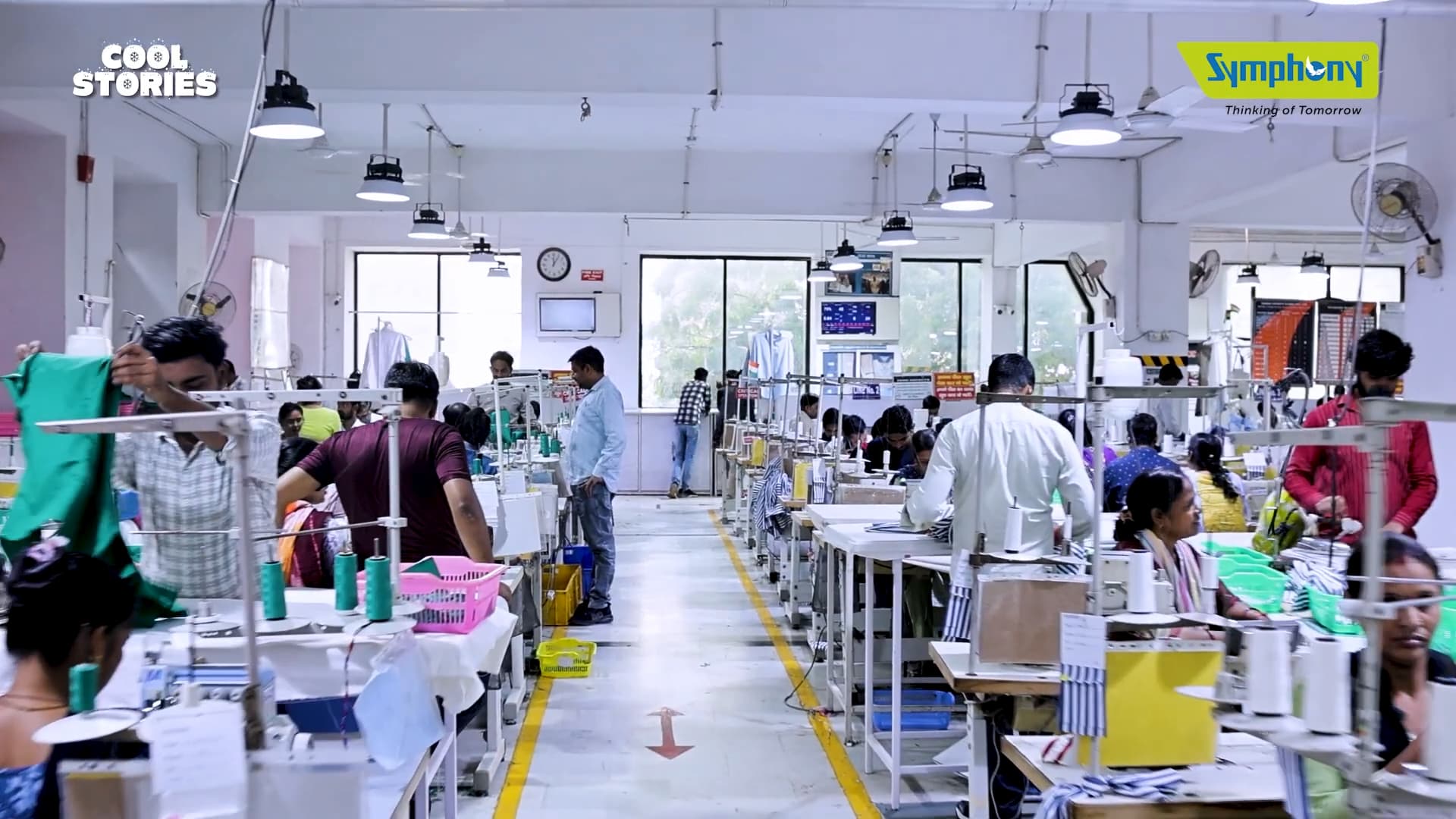
Since around 2010–11, Radnik Exports garment manufacturing units in Delhi, Noida, and Gurgaon relied on large “orthodox” coolers that cooled an entire floor through a network of ducting, with no way to target individual zones or adjust for local conditions. The uneven, ducted airflow and resulting humidity swings were taking a toll on production: sewing machines on the shop floor were experiencing frequent thread breakage and needle breakage, and machine parts were rusting – all issues tied back to inconsistent relative humidity (RH) on the floor. With units employing thousands of workers, even small, repeated disruptions to machine uptime and operator comfort added up to a meaningful drag on productivity.
Solution
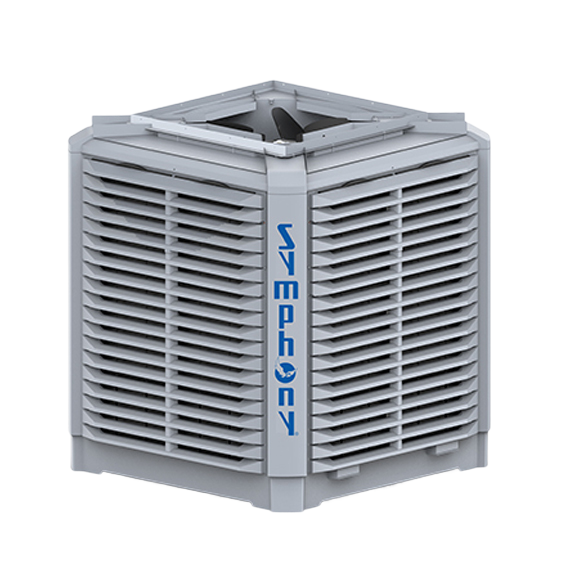
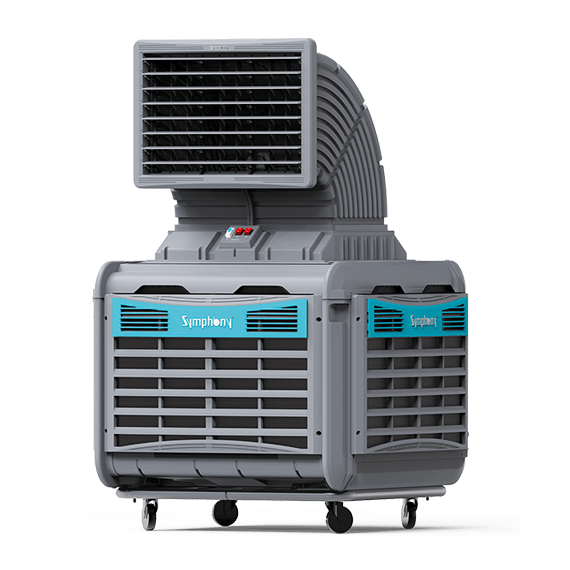
Symphony approached Radnik Exports and proposed a shift away from centralized, ducted cooling to individual industrial coolers – units that cool locally without requiring any ducting and run on roughly 1 kW of power each. Radnik first trialled the system at its Gurgaon factory, installing Symphony’s industrial coolers directly on the shop floor. After the trial demonstrated a clear improvement in working conditions, Radnik extended the rollout to its larger units, including facilities where 2,000–3,000 people work on a single floor, standardizing on Symphony’s industrial coolers (LSV range) across its Delhi NCR operations.
Performance
Following the switch to Symphony’s individual, ducting-free industrial coolers, Radnik Exports observed a significant reduction in thread breakage, needle breakage, and machine rusting – the core issues that had been undermining production under the old ducted system. Better control over relative humidity across the shop floor translated directly into more stable machine performance. Operators also reported feeling noticeably more comfortable on the floor than under the previous cooling setup, an improvement Radnik’s management attributes directly to the switch in cooling technology.
Result
The change delivered what Radnik Exports describes as a “huge difference” in working conditions and machine reliability, favourable enough that the company adopted Symphony’s industrial coolers across its other, larger units as well. Radnik’s leadership credits Symphony’s after-sales service team for continuing to support and service the coolers on an ongoing basis, and characterizes the outcome as a total cooling solution – one that has made “total and happy cooling” a reality across its Delhi NCR manufacturing units.