







How to Choose a Commercial Air Cooler for a Noise Sensitive Space
Strong airflow is often the first thing buyers look for in a commercial air cooler. But airflow alone does not say whether a unit will work well in a space built around conversation.
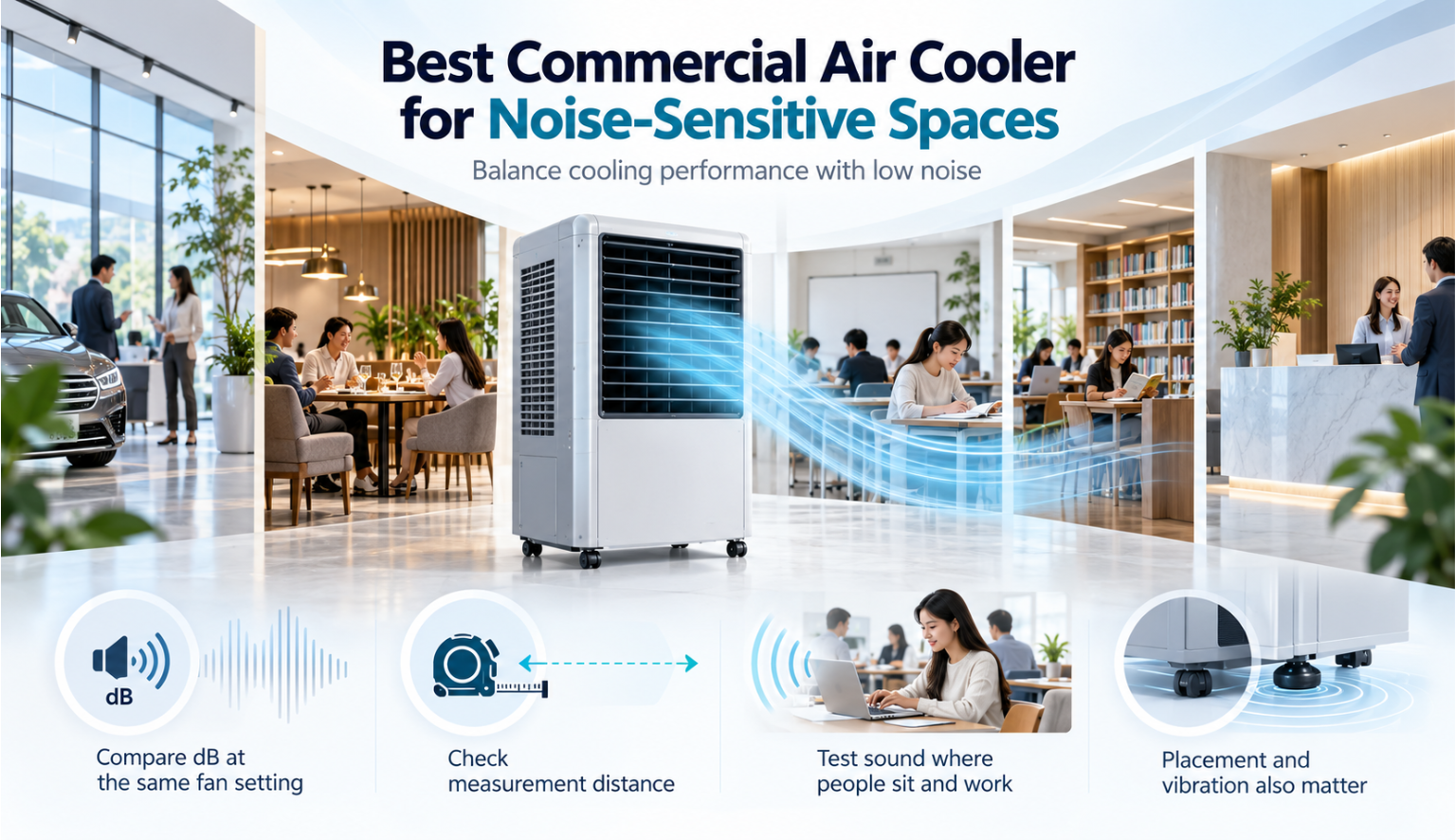
The best commercial air cooler for a showroom, restaurant or classroom is the one that cools the space without adding sound that competes with the people inside it.
A commercial cooler placed near a consultation desk, a dining table or a teaching area becomes part of the background that every conversation has to work against.
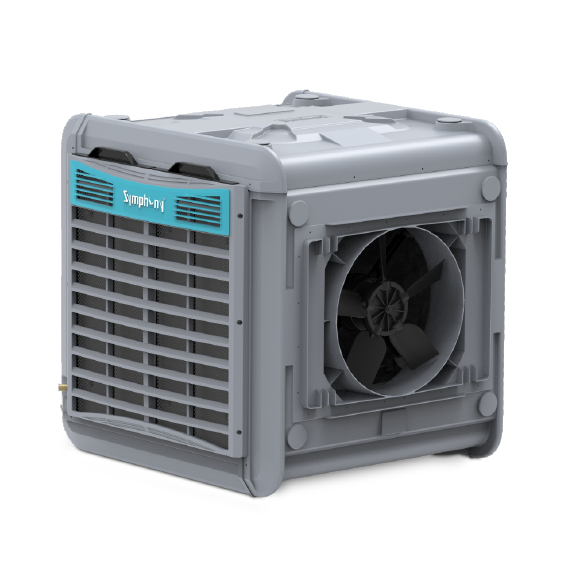
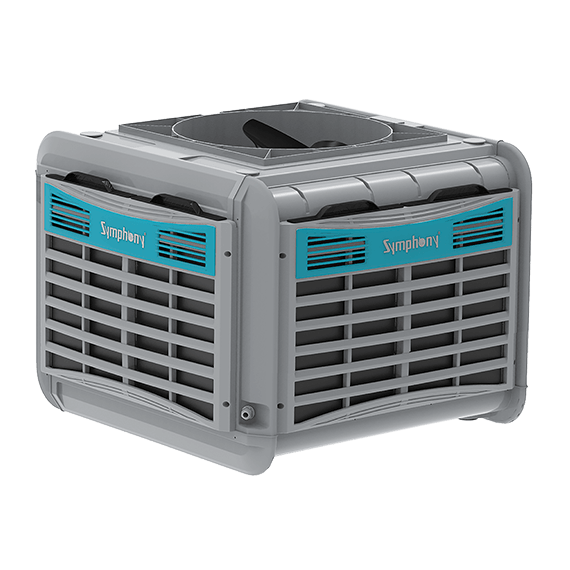
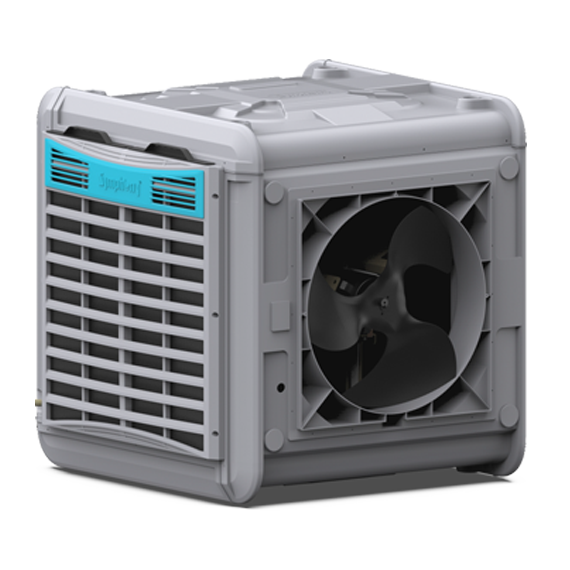
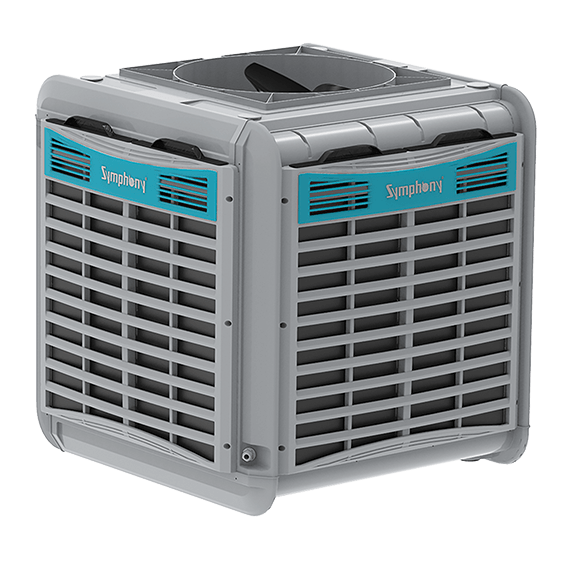
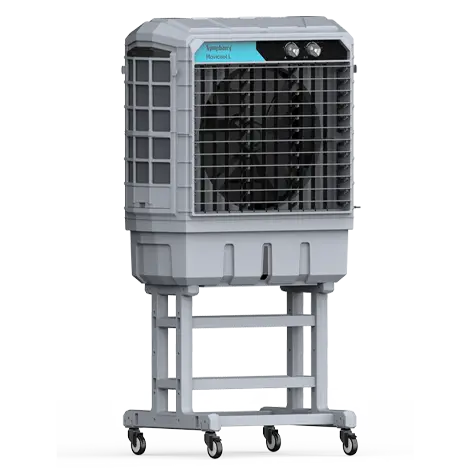
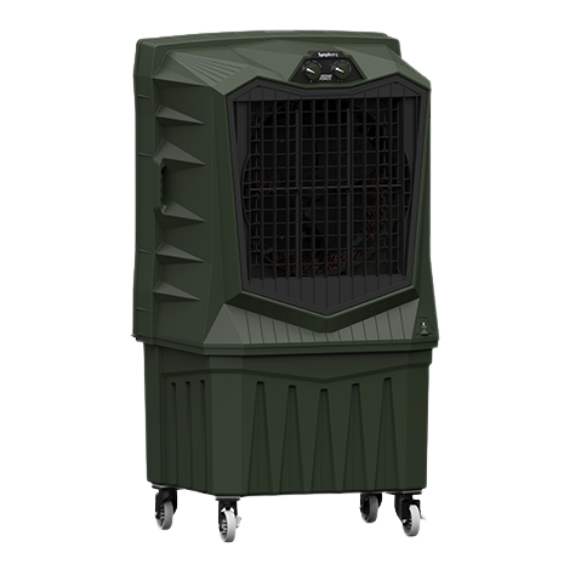
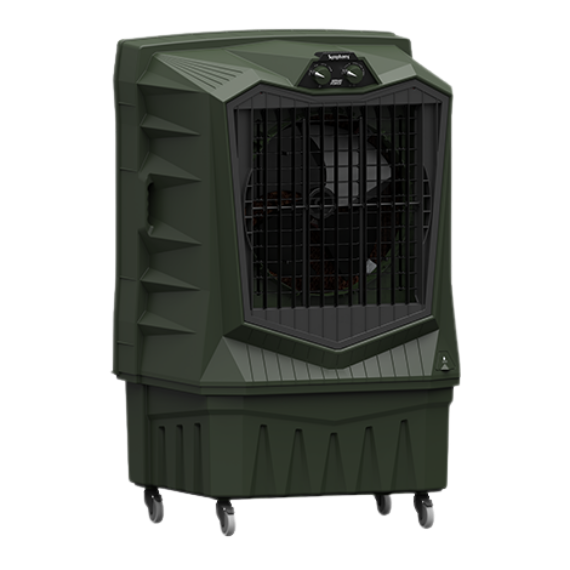
Choosing the right commercial air cooler, including a model from Symphony’s own Movicool or Air Force range, means weighing cooling output against the sound it adds at the points where people actually work, talk and decide. Evaporative cooling also depends on adequate ventilation and site conditions, so that needs confirming alongside noise before any model is finalized for a particular room.
Where Is a Low Noise Commercial Air Cooler Most Important?
Low noise cooling matters most where speech, focused work or a calm customer experience is central to the activity. Showrooms, restaurants, classrooms, libraries and reception desks are the clearest examples, and each carries a different noise problem rather than one generic requirement.
Why Does a Commercial Cooler Matter in Showrooms and Consultation Areas?
A showroom consultation often involves detailed product explanations given at a fairly close distance. If equipment sound forces a customer to ask staff to repeat themselves, the conversation loses its flow and the interaction starts to feel strained.
A calmer background at the consultation desk keeps the focus on the product being discussed rather than on the cooling equipment running nearby.
Why Does a Commercial Air Cooler Matter in Restaurants and Dining Areas?
Restaurants and cafés already carry background sound from music, diners and kitchen activity. Equipment sound stacked on top of that mix raises the chance that an order is misheard or that guests have to lean in to hear each other across the table.
Lower equipment sound keeps that existing background from tipping into something guests start to notice.
Why Does a Commercial Air Cooler Matter in Classrooms?
A classroom depends on every student hearing the instructor at a consistent volume, including students seated furthest from the front. Equipment noise does not need to be loud to interfere here, since it works against speech intelligibility rather than simply adding volume.
Clearer instruction without the instructor needing to raise their voice is the practical result of getting this right.
Why Does a Commercial Air Cooler Matter in Libraries and Study Rooms?
Libraries and study rooms rely on sustained quiet rather than audible speech, so the concern is different from a classroom. A fan cycling between speeds, or switching on and off, is often more noticeable in this kind of stillness than it would be in a livelier space.
A steady, lower background supports longer stretches of reading or writing without repeated small interruptions.
Whether one model suits both a classroom and a library should be confirmed for each room separately, since the two depend on different sound profiles rather than a single noise rating.
Why Does a Commercial Air Cooler Matter at Reception Desks and Customer Facing Spaces?
Reception desks and service offices handle phone calls and quiet one to one conversations at close range. Equipment sound here can push callers and visitors into repeating themselves without the problem ever feeling like an obvious disruption.
Smoother day to day communication at the desk is the main benefit of addressing it.
Commercial space | Noise sensitive activity | Positions to check | Practical benefit of lower equipment sound |
Showroom | Product consultation | Consultation desk, customer seating | Easier to follow spoken explanations |
Restaurant or café | Dining conversation, order taking | Dining tables, billing counter | Less interference with service communication |
Classroom | Instruction | Instructor position, student seating | Clearer speech without raised voices |
Library or study room | Individual concentration | Study desks | Fewer interruptions during sustained work |
Reception or service desk | Appointments, calls, enquiries | Desk, nearby seating | Smoother routine communication |
What Does a Commercial Air Cooler's Noise Specification Actually Mean?
A noise figure for a commercial air cooler is only useful for comparison when its quantity and the conditions behind it are both clear. That includes whether it reports sound pressure level or sound power level, since the two are not interchangeable.
It also includes whether the figure is A weighted, shown as dB(A), which adjusts the raw measurement to reflect how human hearing responds across different frequencies rather than treating all sound equally.
Before relying on any figure, buyers should confirm the measurement distance and microphone position used, the fan setting and whether the pump was running, and whether the number given is typical or a maximum.
Decibels use a logarithmic scale, so a small change in the number does not match the same percentage change in how loud a commercial cooler actually sounds.
How Can Commercial Air Cooler Models Be Compared Fairly?
Commercial cooler models should be compared under equivalent documented conditions: the same measurement distance, comparable background sound, fan settings relevant to the space’s actual cooling need, matching pump operation, the airflow actually achieved, and a similar room layout.
Comparing one commercial air cooler at its lowest setting with another at its highest, then calling the first quieter overall, is misleading. Identical speed labels such as low or high do not necessarily represent equivalent airflow across different models, so models should be compared at settings that meet the same cooling requirement rather than by label alone.
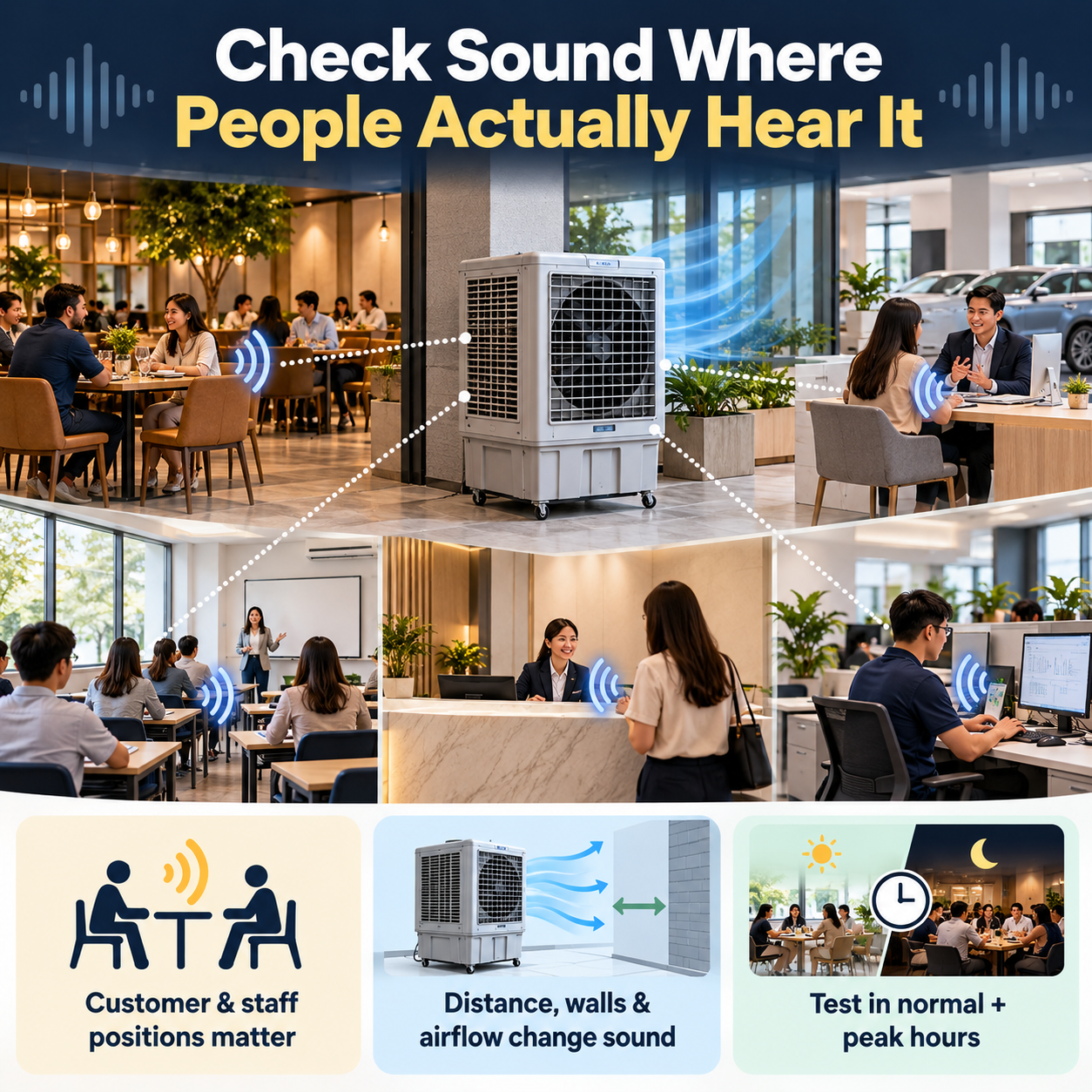
Why Should a Commercial Cooler's Sound Be Checked at Customer and Staff Positions?
The sound that matters is what people hear at restaurant tables, showroom consultation desks, classroom seats, reception counters and staff workstations, not the sound measured beside the unit itself.
Distance, discharge direction, nearby walls and the number of units running together all change what is actually heard at these positions.
Checking under both normal and busier operating conditions matters too, since many spaces run a commercial cooler harder during peak hours. There is no universal comfortable distance that applies to every room, so the check has to happen at the specific positions that matter for that space.
How Do Vibration, Mounting and Placement Affect a Commercial Air Cooler's Noise?
Sound from airflow is different from rattling or vibration transmitted to surrounding surfaces, and the second kind can make a commercial cooler seem noisier than its specifications suggest.
Stable positioning, properly secured panels and fittings, and wheels or supports checked for stability once in place all reduce this kind of noise. Installation that follows what the manufacturer specifies matters as well.
Structural changes should only be made in line with what the manufacturer sets out for that model, and exits, walking routes and service access should stay clear whatever the placement.
What Should Be Asked During a Commercial Air Cooler Demonstration?
- Which fan setting is being demonstrated, and does it match what the space actually needs?
- Is the pump running, and can every available speed be shown?
- Where and how was the published noise figure measured, including the distance, microphone position and whether A weighting was used?
- Can sound be checked at the actual positions people will occupy?
- Is rattling or vibration noticeable alongside normal airflow sound?
- Does normal conversation stay comfortable at those positions during the demonstration?
- What changes when several units run together?
- What ventilation or site conditions does the manufacturer recommend for this model?
A conversation check during a demonstration is a practical observation, not a substitute for a standardized acoustic measurement, and a phone recording or a sound meter app should never be treated as certified product data.
What Evidence Should Buyers Request From Symphony Venticool for a Commercial Air Cooler?
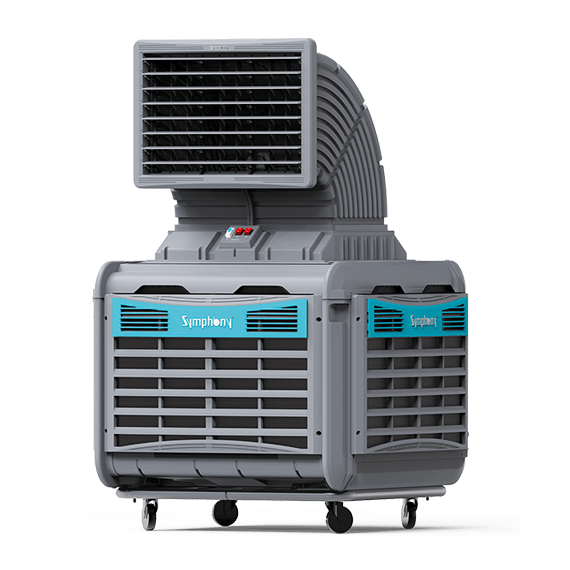
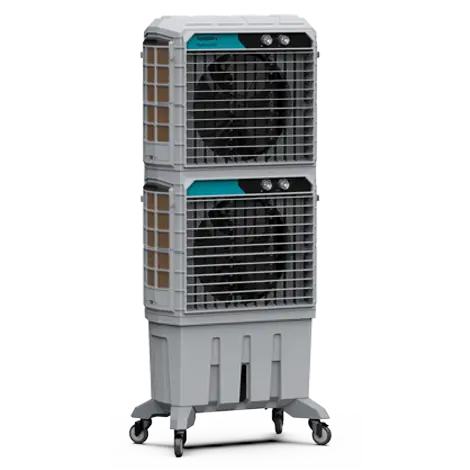
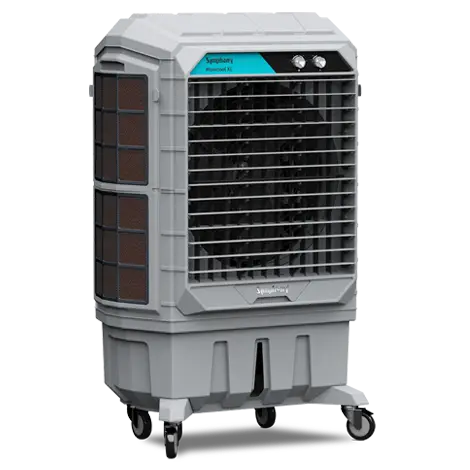
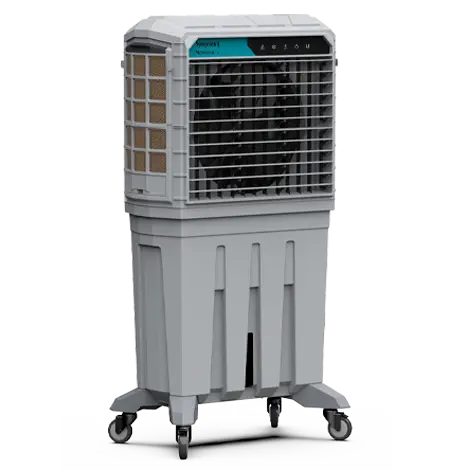
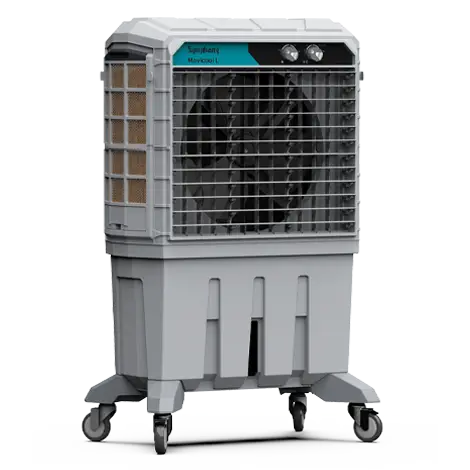
Symphony Venticool’s own Commercial Air Cooler range is the line most relevant to showrooms, restaurants, classrooms and reception areas, since it is built as portable equipment for commercial venues rather than for open factory floors.
The range includes the Movicool L 200, listed for up to 710 sq ft at 225 W, the Movicool XL 200 at 605 W for the same coverage area, and the Air Force 160, rated for a 21 metre air throw.
Coverage area indicates stated coverage, wattage indicates power consumption, and air throw indicates how far air is projected. None establishes acoustic performance.
Buyers should request noise data and its measurement conditions directly from Symphony Venticool, or arrange a demonstration of the specific model at the fan setting the space will need.
About Symphony Venticool
Symphony Venticool is the air cooling range from Symphony Limited, a company founded in 1988 that describes itself as a leading commercial and industrial air cooler manufacturer in India. The line most relevant to this article is its own Commercial Air Cooler range, sold under the Movicool and Air Force names, built as portable units for venues such as showrooms, restaurants and banquet halls.
What Is the Best Commercial Air Cooler for a Noise Sensitive Space?
The best commercial air cooler for a noise sensitive space is the one evaluated for cooling and sound together, based on the activity in the room, the positions people occupy and what a live demonstration shows rather than a single published number.
A practical, on site assessment remains the most reliable way to confirm whether a commercial cooler fits a space where communication or concentration is critical. Buyers considering a Movicool or Air Force model can request noise information specific to that unit, or arrange a demonstration, directly with Symphony Venticool before deciding.
Frequently Asked Questions
Choosing the Best Commercial Air Cooler for Spaces Where Noise Matters
What makes a commercial air cooler suitable for a noise sensitive space?
Suitability depends on the sound heard at the positions people actually occupy while the cooler runs at the setting the space needs, not on a single published figure.
Where is low noise commercial cooling particularly important?
It matters most in showrooms, restaurants, classrooms, libraries and reception desks, where conversation or concentration is central to the activity.
How should two commercial cooler noise specifications be compared?
Compare the same measurement type under equivalent test conditions, with documented pump operation and operating settings that meet the same cooling requirement.
What should buyers do if a product page does not publish noise data?
Treat the gap as unresolved rather than assuming the unit is quiet. Request measurement conditions directly from Symphony Venticool, or arrange a demonstration at the fan setting the space needs.