
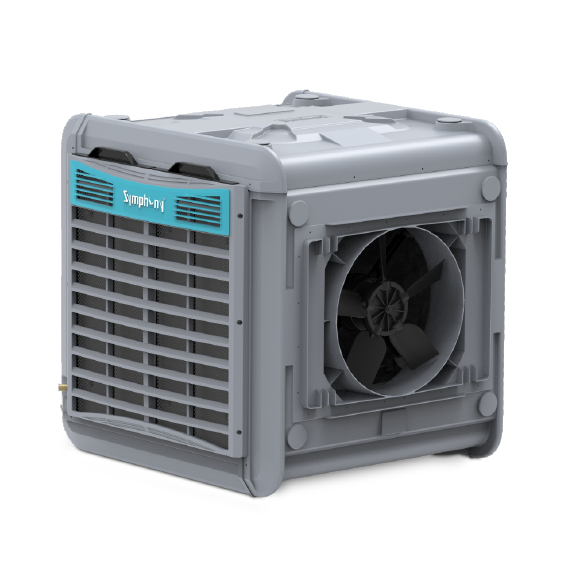


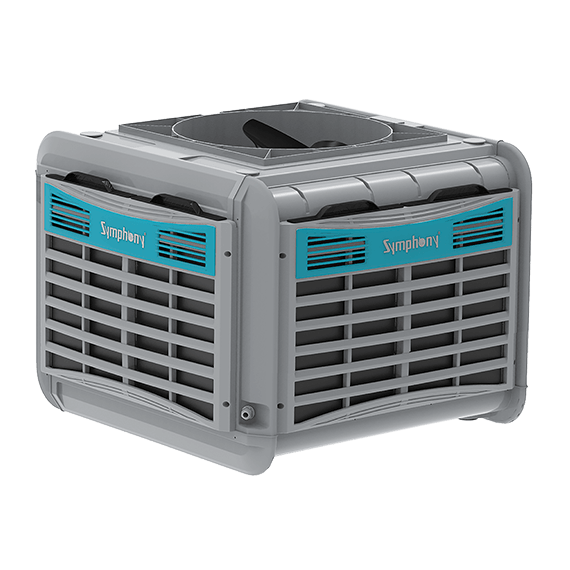
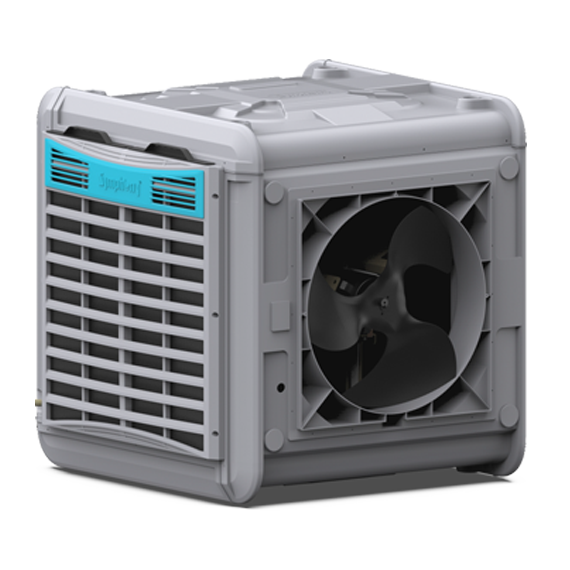
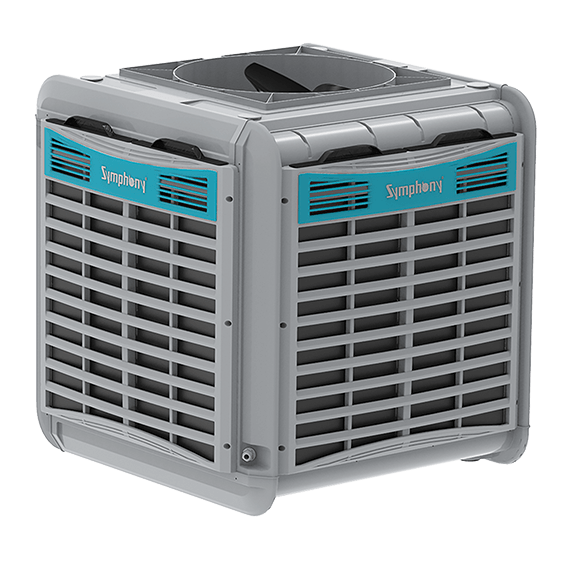
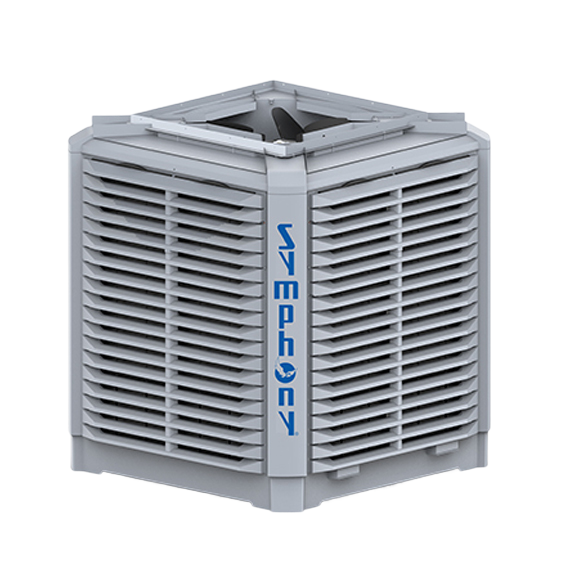
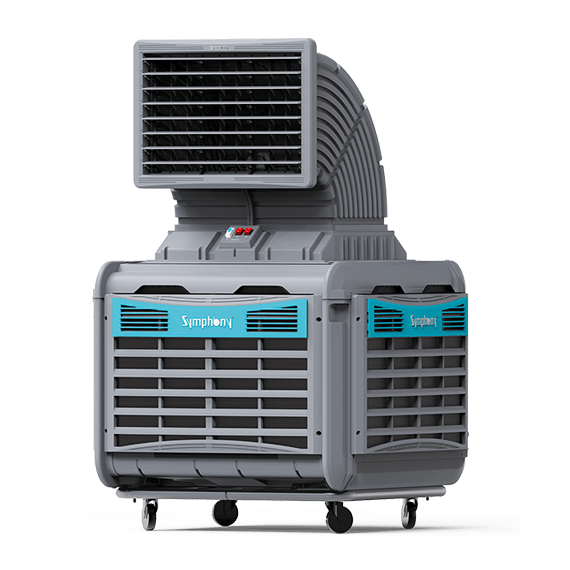
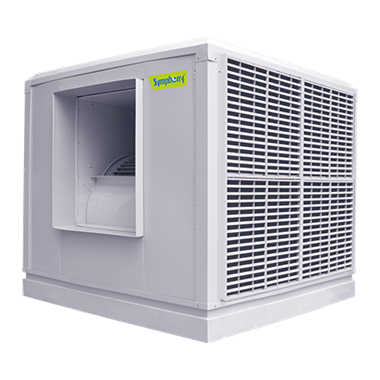
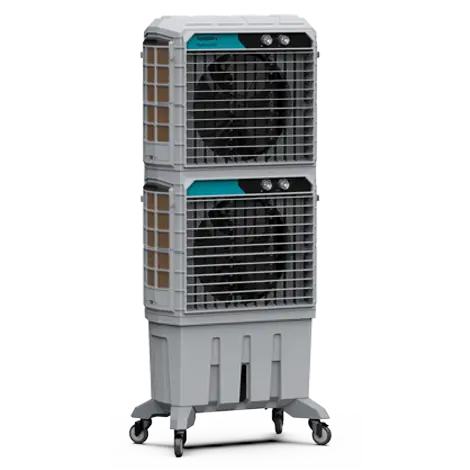
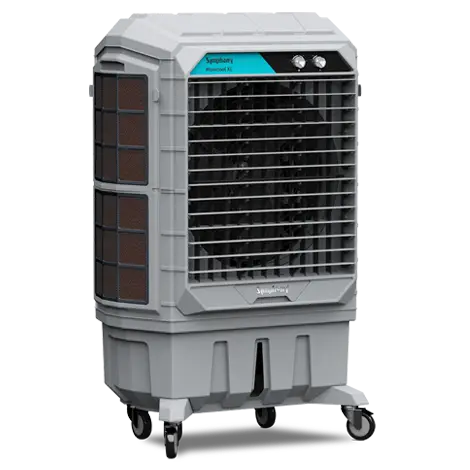
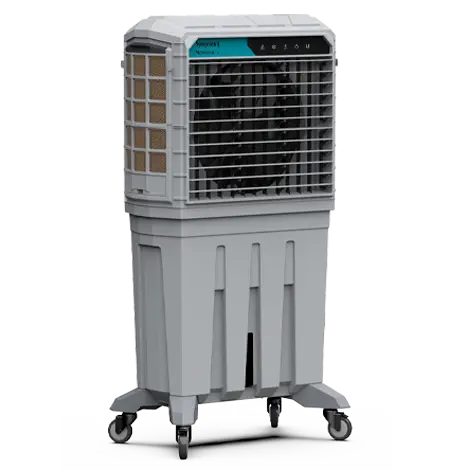
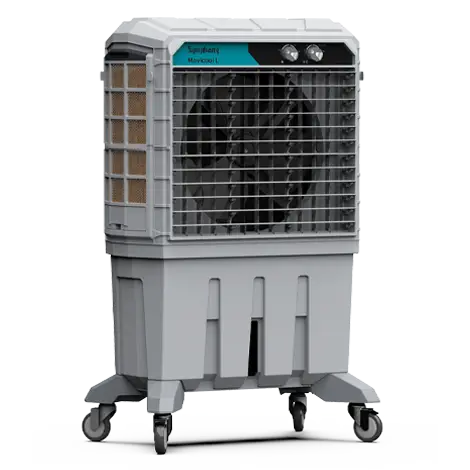



What Does the Symphony Venticool Heavy Duty Range Include?
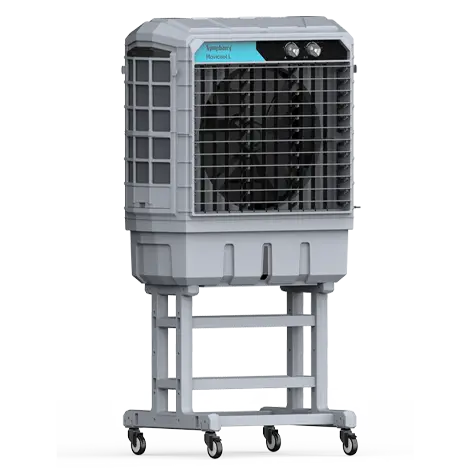
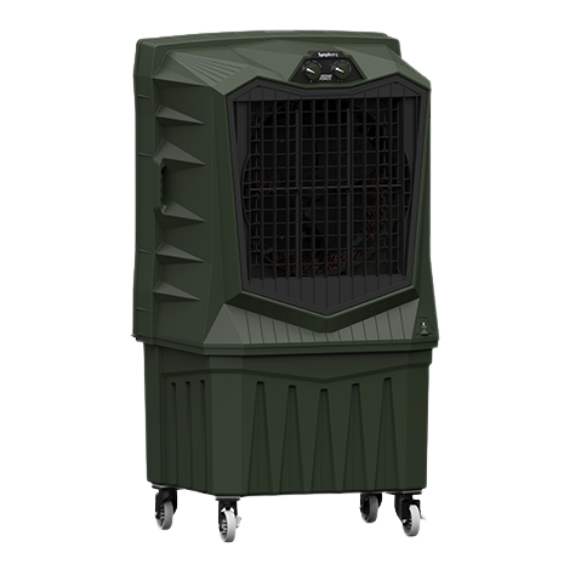
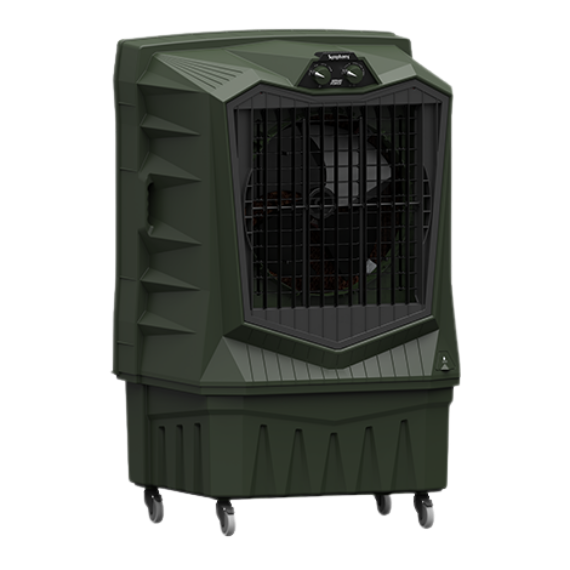
Symphony Venticool offers a range of heavy duty industrial air coolers built for factory floors, warehouses and processing areas rather than domestic or light commercial use. The range is positioned for buyers who need cooling equipment matched to a specific operating pattern, not a single generic unit sold for every setting.
Different models in the range are built around different airflow capacities and tank sizes, since a small assembly unit and a large warehouse floor do not need the same cooling output. The right starting point is matching the factory’s floor area, ceiling height and heat load to the model rated for that range, with the supplier confirming this fit before a unit is finalised.
Does a Heavy Duty Label Confirm Continuous Duty Suitability?
A heavy duty air cooler should not be assumed suitable for continuous running simply because of its name. The proposed operating hours, shift pattern and site conditions need written confirmation from the supplier before a model is finalised.
This confirmation should state the maximum daily running hours the model supports and the permitted ambient temperature range. It should also state whether the unit is rated for continuous duty or needs scheduled rest periods, drawn from the documentation for the exact configuration being quoted rather than a catalogue description.
What Build Strength Should a Heavy Duty Cooler Have?
Build strength covers the body construction, the mounting arrangement and how the unit resists vibration from continuous fan operation. A body that flexes or loosens under constant running will eventually affect airflow and seal performance.
Mounting requirements differ by installation type, whether the cooler sits on a roof, a wall bracket or a ducted frame. The structure it attaches to needs to support that load across extended operation, not just at installation, and dust ingress protection matters in environments with airborne particles.
Ask the supplier for the documented protection rating and mounting load specifications for the exact model, rather than judging strength from panel thickness or overall size.
What Determines Motor and Pump Quality in a Heavy Duty Air Cooler?
Motor quality is separate from the strength of the outer body, and the motor carries its own duty rating. Confirm the motor’s duty rating and permitted supply voltage range separately, since one does not establish the other.
Confirm the pump’s permitted operating hours and water requirements separately from the motor’s rating. Ask whether low water detection or dry running protection is provided, what happens when water supply is interrupted, and what maintenance the manufacturer specifies.
How Does Symphony as a Brand Back a Heavy Duty Cooler Purchase?
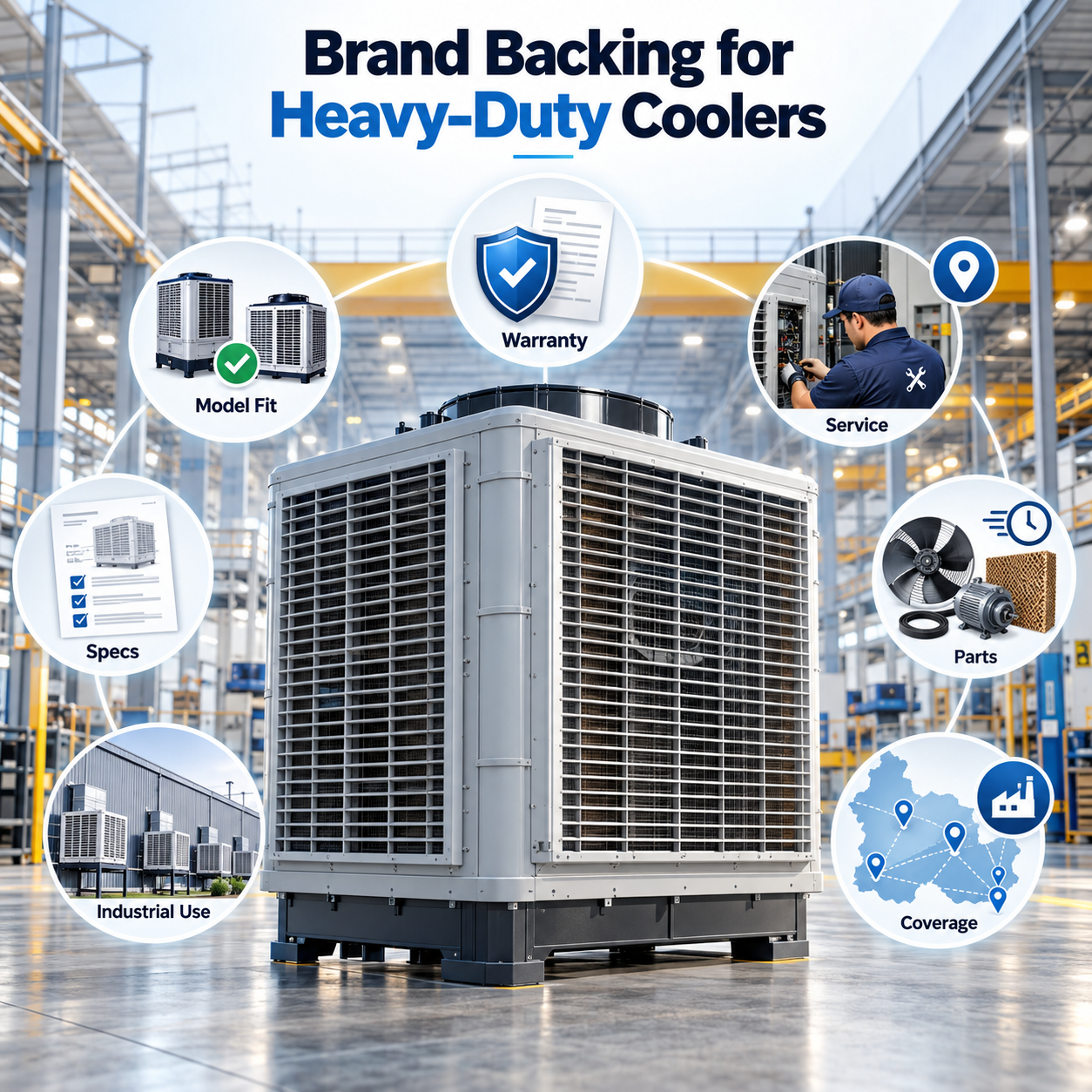
Brand backing is best judged through evidence rather than assumption. The useful comparison is model specific operating suitability, written warranty terms, local service availability and replacement part lead times, compared side by side against any other supplier being considered.
For a Symphony Venticool cooler, this means asking for the traceable model specification sheet, references to similar installations in comparable industries, and confirmation of service coverage specifically at the factory’s location, not just a general claim of nationwide presence.
A supplier that can produce this evidence gives a plant manager something concrete to check, which matters more than the brand name alone.
What Warranty Assurance Should Buyers Ask About?
A written warranty should state exactly what is covered and what is excluded, along with the duration of cover and any conditions that would void it. Ask whether the motor, pump and body are covered, and whether evaporative cooling pads are excluded as a consumable part, rather than assuming either answer.
Spare part availability and lead time should be confirmed separately from the warranty itself, since a covered repair is still a problem if the part takes weeks to arrive. Ask the supplier to put the service request process and any response time commitment in writing before the unit is installed.
How Should a Heavy Duty Cooler Be Managed Across Three Shifts?
Managing a cooler across three shifts depends on three routines working together, dependable water supply, a consistent handover between shifts and a planned servicing window.
Water needs to remain available through night and weekend shifts, with refilling responsibility assigned rather than left to whichever operator notices the tank is low. Handover should record water level, visible leakage, unusual sound and pending maintenance, so the incoming team is not starting from zero.
Shift teams should perform only the external operating checks permitted by the manufacturer. Cleaning, panel removal and servicing should follow the model’s shutdown and energy isolation instructions, with maintenance windows agreed around production.
How Do Factory Conditions Affect Cooler Selection?
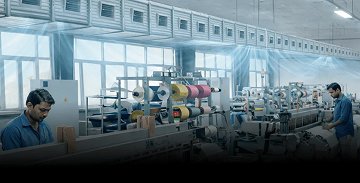
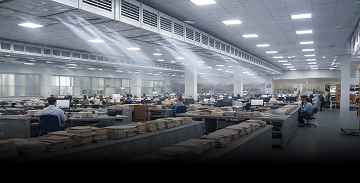
Cooling requirements are not identical across industries, even when all of them run multiple shifts. Textile spinning and weaving units generate dust and lint, which may increase cleaning requirements. Confirm the model’s intake arrangement and the manufacturer’s cleaning schedule for these conditions.
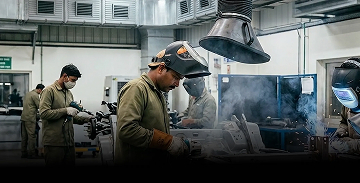
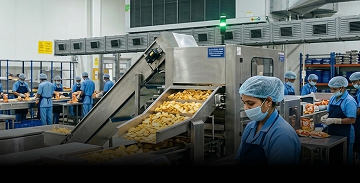
Foundries and metal casting shops operate in high ambient heat with heavy particulate load, which pushes motor and pump limits harder than in a cleaner environment. Bottling and beverage plants need careful water planning, since the cooler’s own water use should not compete with water needed for the production process itself.
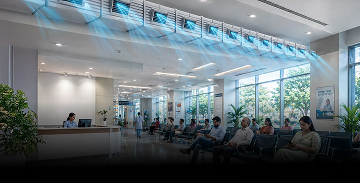
Warehouses and logistics hubs are often a different case, where cooling supports worker comfort across shifts rather than a temperature sensitive process. Assess service access, noise at occupied positions and the consequences of a cooling interruption during each shift, since the site conditions should decide which configuration fits rather than an assumption that one setup suits every factory.
About Symphony Venticool
Symphony Venticool is the industrial air cooling range from Symphony, built for factories, warehouses and processing units that need cooling across demanding operating conditions. To select a model suited to a specific site, buyers are invited to share their operating hours, shift pattern and site conditions with the Symphony Venticool team so a model can be matched against its documented specifications before purchase.
[Insert Symphony Venticool product page link] | [Insert Symphony Venticool enquiry page link]
What Is the Final Takeaway on Choosing a Heavy Duty Industrial Air Cooler?
A heavy duty industrial air cooler should be evaluated against build strength, component quality, brand backing, warranty assurance and the practical routines needed to run across three shifts, checked against the factory’s actual schedule and site conditions.
The right Symphony Venticool unit is selected on this documented basis, with the supplier asked to confirm each point in writing for the exact model, rather than on description or price alone.
Frequently Asked Questions
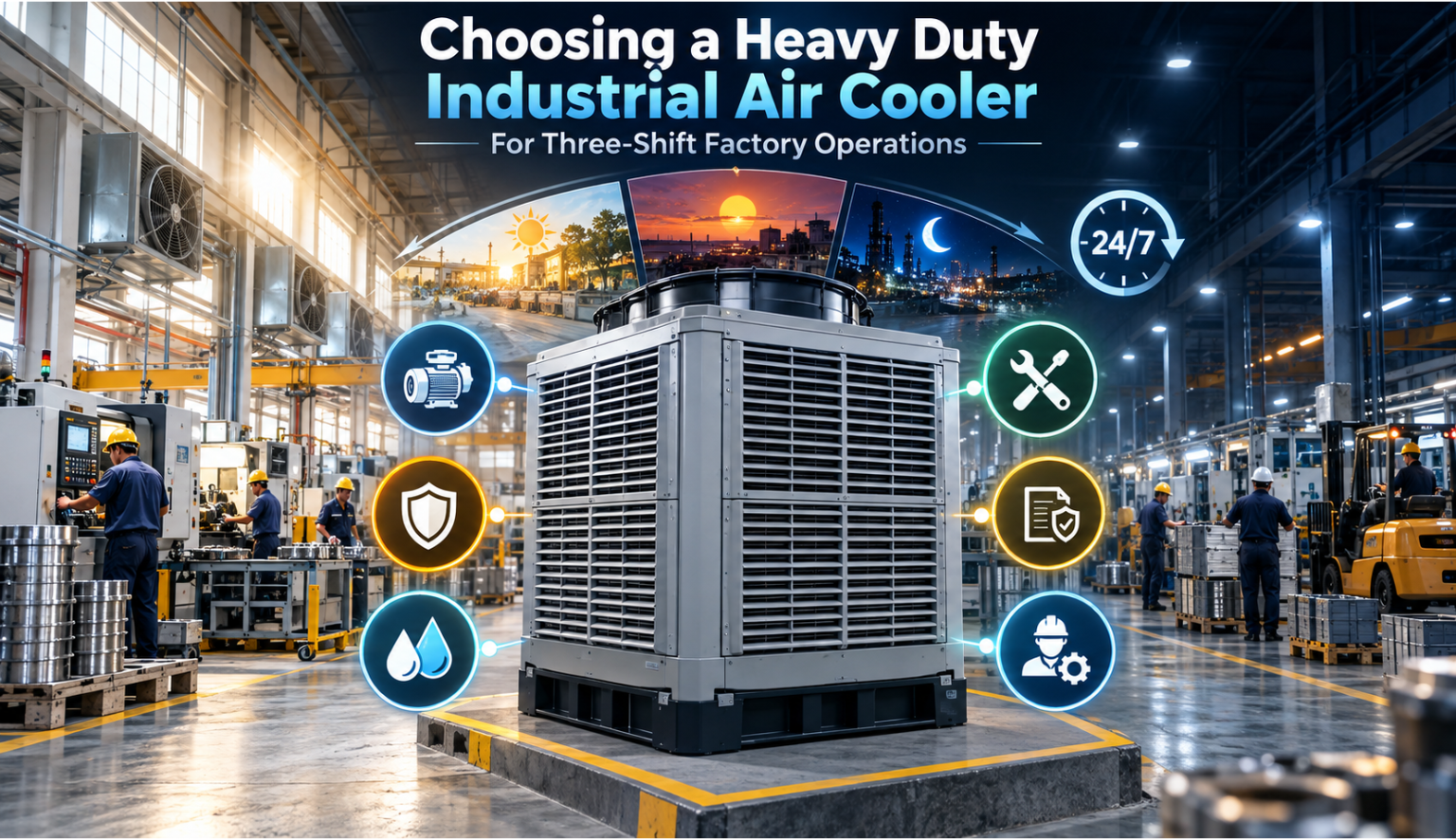
Choosing a Heavy Duty Industrial Air Cooler for Three-Shift Factory Operations
Does the term heavy duty guarantee continuous operation?
No. It describes a general build category, not a confirmed duty rating. Ask the supplier for written confirmation of the model's continuous duty rating and permitted operating hours before assuming suitability.
What warranty terms should buyers check for three shift use?
Ask what is covered, what is excluded, the duration, and any conditions tied to continuous operation that could void the cover. Also confirm spare part lead times and the service request process with the supplier in writing.
How should servicing be scheduled between shifts?
Coordinate routine, external checks with production breaks so the unit does not need to stop. Schedule any task requiring a full shutdown with verified energy isolation in advance, following the model's own instructions.
What should buyers ask about local service coverage?
Ask whether service support and spare parts are available specifically at the factory's location, not just in general terms. This is one of the clearer ways to confirm a supplier can support continuous operation before committing to a purchase.