








Planning Tent Coolers for Comfortable Air Distribution
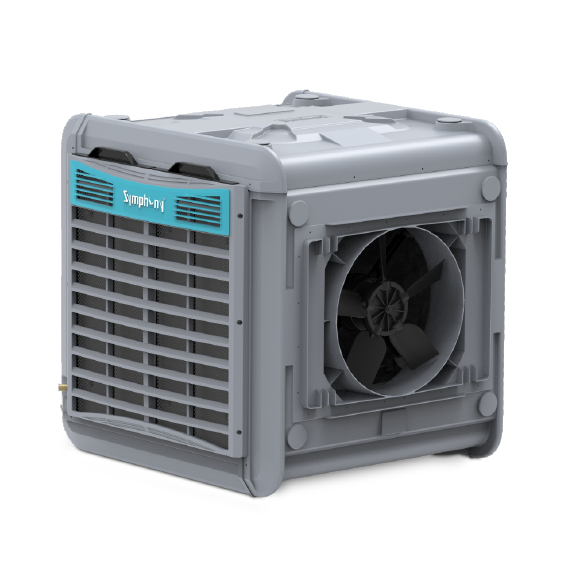
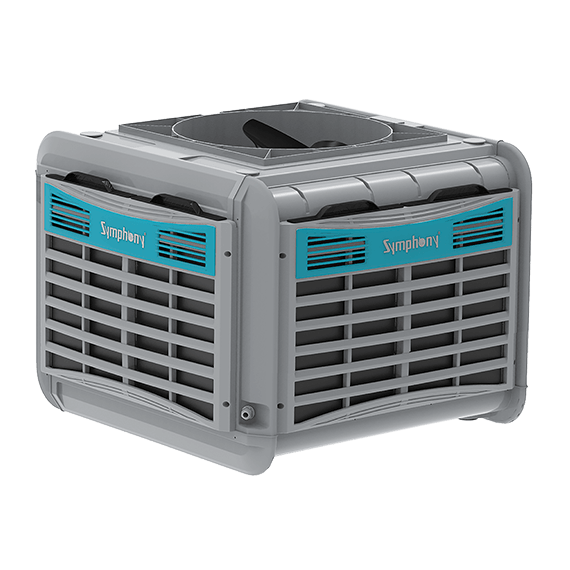
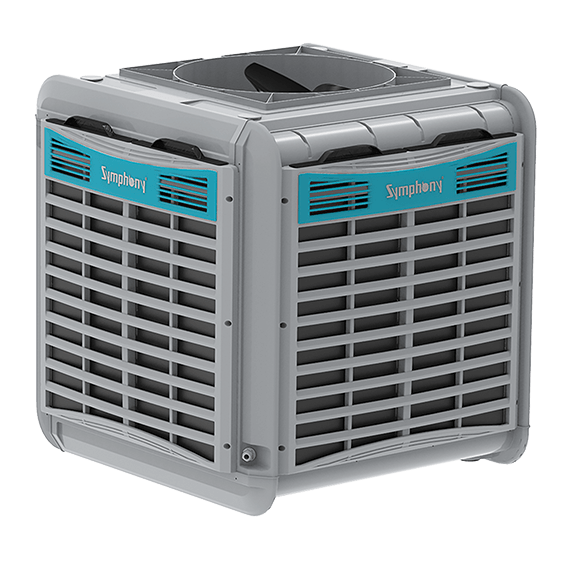
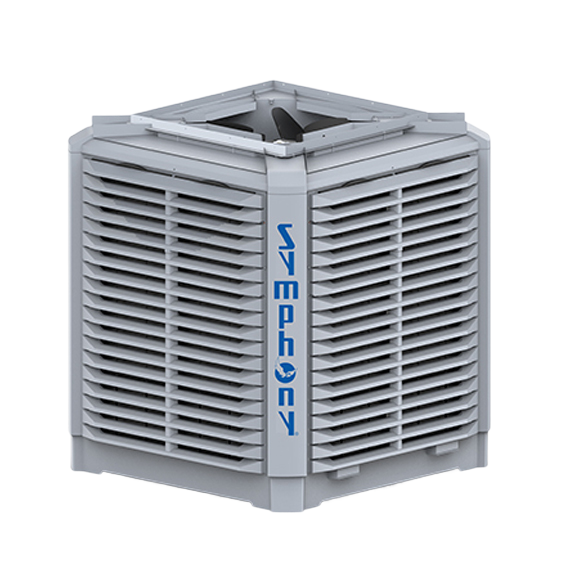
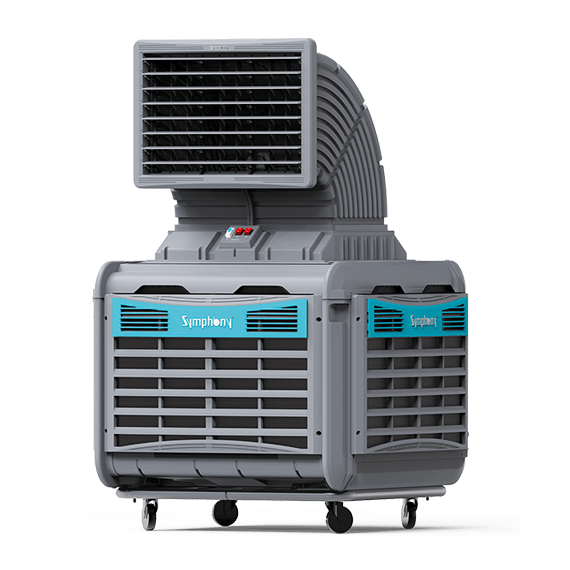
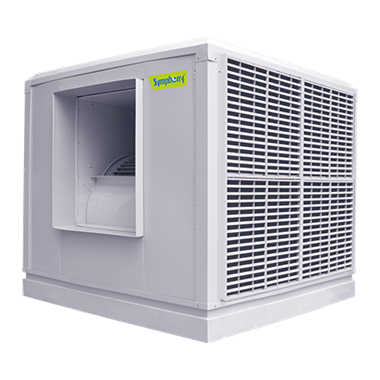
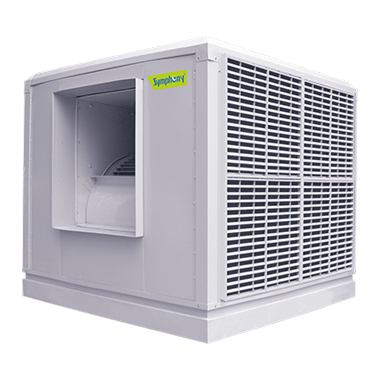
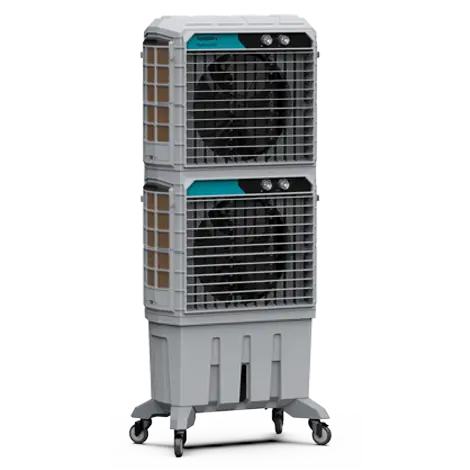
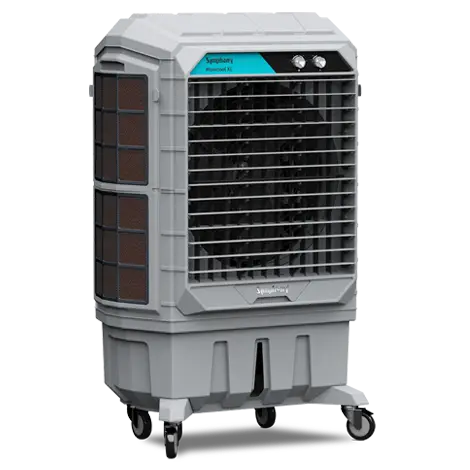
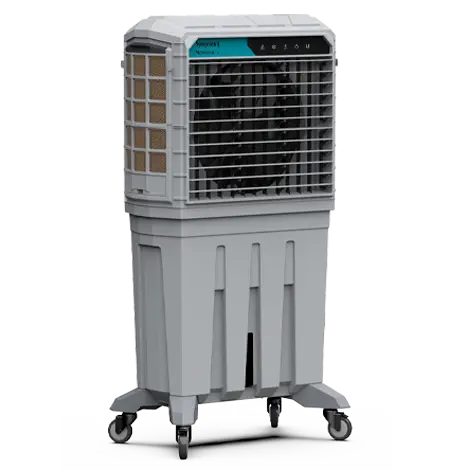
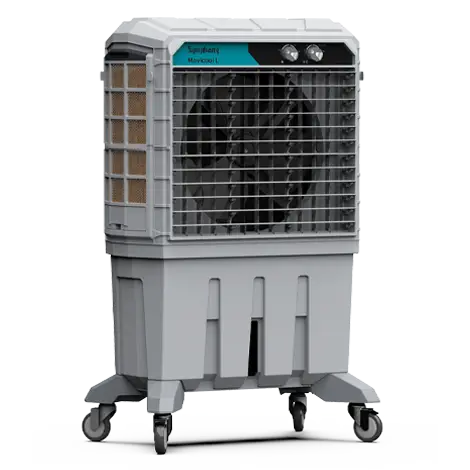
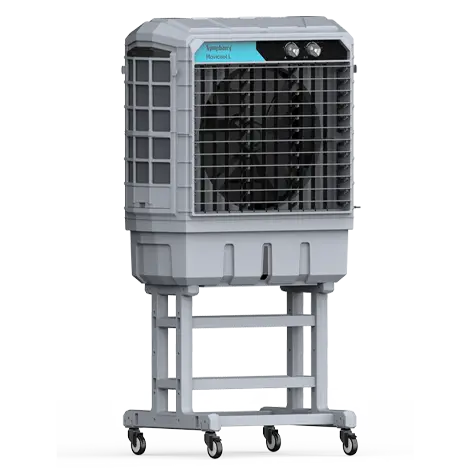
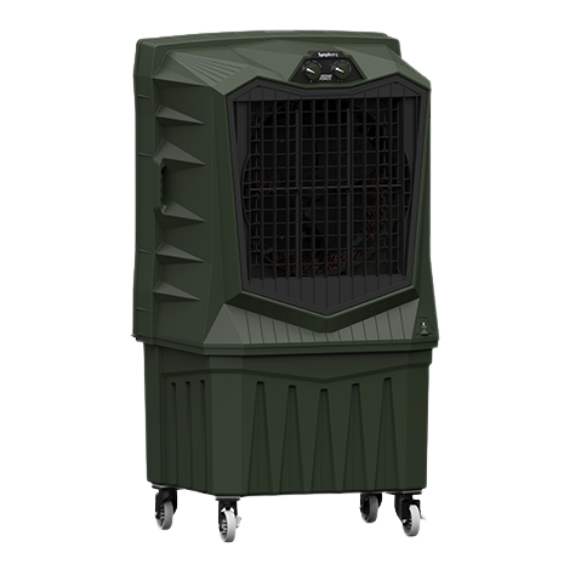
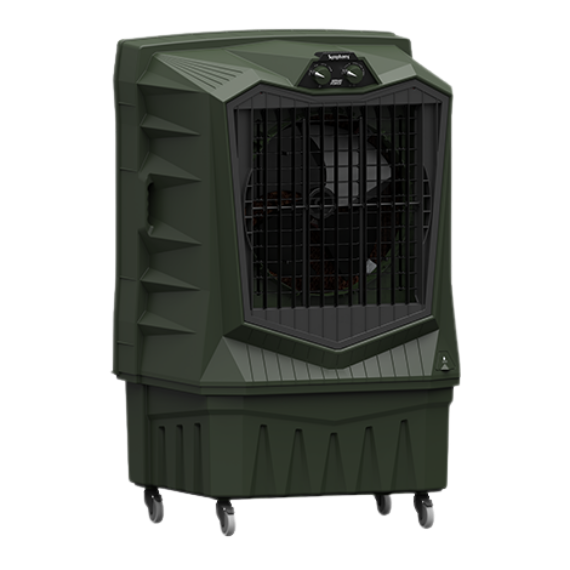
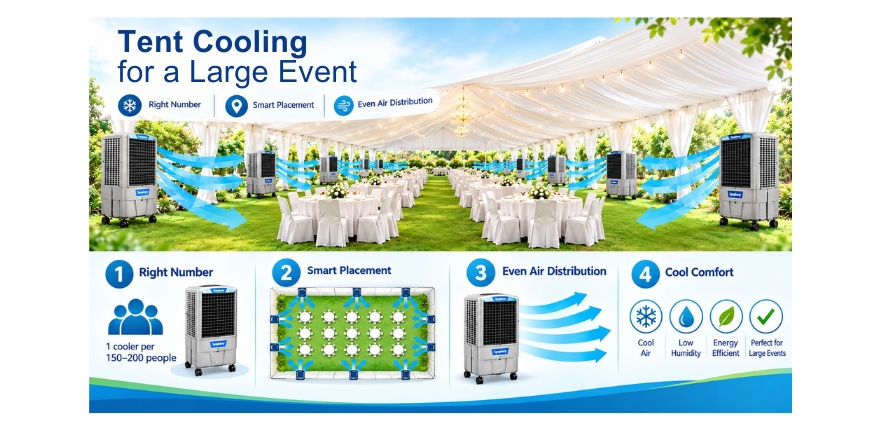
A large event tent needs planned air movement, not a ring of units around the perimeter. A tent jumbo cooler aimed along an open route can serve guests seated far from it, while one aimed at a solid barrier cannot. Heat load comes from tent dimensions, side coverings, attendance, seating, lighting, cooking equipment and stage equipment together. A big cooler may deliver strong airflow in one direction, but partitions, stages and densely arranged seating can limit its reach, so an industrial tent cooler should be selected and positioned according to the area it is expected to serve. Symphony Venticool includes tent coolers in its commercial portable air cooler range.
What Information Is Needed Before Choosing a Tent Air Cooler?
Before selecting a tent air cooler, planners should document the physical, thermal and utility conditions of the venue. The product listings state air throw, tank capacity and power consumption but not coverage area or air delivery, so those two figures must be requested from Symphony Venticool. The inputs below feed the estimation method in the next section:
- Tent length, width, height and internal volume
- Guest numbers, seating style and event duration
- Stage, service, lighting, audio and catering areas
- Entrances, open sides and covered sides
- Local temperature and humidity
- Available electricity, water and outside space, plus noise sensitive areas
How Many Tent Coolers Are Needed for a Large Event?
The number cannot be set from guest count or floor area alone. It depends on tent volume, guest density, internal heat, weather, openings, airflow, unit capacity and the comfort level required. Choosing between one very big cooler, several units or cooling zones is a design decision. One unit is simple but may leave sections untouched, several units spread air more widely, and zones let dining, stage and service areas each receive planned airflow. The number of units should be determined by the required airflow, tent layout, seating arrangement, internal heat load and site conditions.
How to Estimate the Number of Tent Coolers
Effective airflow can differ from a rated value because of throw distance, obstructions, tent height and placement, and no universal air change rate applies, so treat the result as a starting point. Add a backup unit where the event cannot tolerate a failure, and confirm the final quantity through a site assessment before booking.
- Calculate internal volume from length, width and average height.
- Record expected occupancy and mark concentrated seating areas.
- Mark heat producing zones such as stages, lighting, catering and audio equipment.
- Ask the supplier or a qualified cooling professional for the total airflow the tent requires.
- Obtain the documented air delivery of the selected model.
- Divide the required airflow by the effective airflow of one unit, then round up.
- Adjust for obstructions, separate zones, entrances, open sides and wind.
How Does the Tent Layout Affect Airflow from Tent Coolers?
Layout decides whether air flows freely or stalls. Theatre style seating leaves open lanes, banquet tables create pockets around chairs, and exhibition stalls can form walls. Wedding stages, VIP areas, food counters, dance floors, partitions, décor and service corridors all change the air path. Keep discharge paths clear of large backdrops and closely arranged stalls, because air that ends against a wall reaches few guests. The listed tent coolers have front discharge, so each unit should face the space it is meant to serve.
Where Should a Tent Jumbo Cooler Be Positioned Inside a Large Tent?
Place each unit where cooled air can move through occupied zones and where servicing is easy. Good positions include tent sides near suitable external air, the ends of long seating sections and the edges of high occupancy zones. Keep units away from cooking fumes, stages where noise matters and unsafe electrical or pedestrian areas, and leave room for water filling. Symphony Venticool describes its commercial portable range as fitted with strong castor wheels, which eases repositioning once the first test shows where air actually travels.
How Should Entry and Exit Points Be Considered for Tent Coolers?
Frequently opened entrances disturb airflow and guest comfort, so plan cooling around them, not across them. Review main guest entrances, service and vendor access, stage access, open tent sides, natural wind direction and crowd movement. No unit should obstruct an entry route, emergency exit or fire route, and strong airflow should not be pointed at arriving guests. Selected openings can help air travel through the tent, but the right arrangement depends on wind, layout and crowd flow.
How Should Airflow from a Tent Cooler Be Directed?
Direction matters as much as position. Set discharge along the path guests occupy, in line with natural wind and seating orientation, so air reaches central seating and avoids stagnant corners. Competing airflow between units cancels useful movement, so choose one dominant direction for each zone and check that the air passes over seated guests, not only over standing areas. The list below shows how tent type changes the approach.
- Long rectangular tent: direct airflow along the tent’s length and check the far end.
- Wide banquet tent: divide the area into zones so central and perimeter tables receive airflow.
- Multiple seating zones: give each zone a defined airflow path.
- Closed sidewalls: identify controlled openings through which warm, humid air can leave.
- Several entrances: keep discharge away from circulation routes.
- Stage and backstage areas: account for heat sources that may change the airflow path.
How Should Multiple Tent Coolers Be Coordinated?
Multiple units should work as one arrangement, not blow against one another. Divide the tent into zones, align discharge direction, balance edge and central areas and give crowded sections coverage. Keep service routes open to every unit and hold a contingency unit where the event cannot tolerate a failure. Units with different tank sizes need different refilling routines, so record which unit serves which zone and who refills it.
Our Other Product
Industrial Ducting Cooler - Heavy Duty Movicool XXLWhy Does an Industrial Tent Cooler Need Ventilation?
Evaporative cooling needs fresh air moving through the space and a route for warm, humid air to leave, otherwise humidity and stale air pockets build up. Open tent sides, partly open sidewalls, roof vents where fitted and entrance openings can all supply that route. No single arrangement suits every event. An enclosed tent needs a more detailed airflow assessment than an open or partly open one, because it has fewer natural outlets for warm air. Planning that route early also avoids trying to create an outlet after seating and décor are already in place.
What Power, Water and Installation Arrangements Does a Tent Cooler Need?
Assess the total electrical load, route cables safely, distribute circuits and consider backup power. Symphony Venticool’s two listed tent coolers show power consumption of 325 W and 445 W. For water, locate the source, route hoses safely and manage drainage and spills. The range description mentions an inbuilt water level sensor for use with an overhead tank, so confirm whether it applies to the chosen model. Position units stably, protect them from guest movement, keep setup and removal routes open and involve qualified event and electrical professionals.
Tent Cooler Planning Checklist Before the Event
- Confirm tent volume, final attendance and weather conditions.
- Mark seating, stage, service, heat producing zones, entrances, exits and open sides.
- Estimate quantity and define zones.
- Match unit capacity to the layout.
- Set airflow direction.
- Confirm power and water access.
- Protect cables, hoses and circulation routes.
- Test the full arrangement, then adjust direction before guests arrive.
Common Tent Cooler Planning Mistakes
- Selecting units only by guest count
- Ignoring tent height
- Using one big cooler for a complex layout
- Positioning units without checking where the air actually goes
- Treating every event zone as having identical needs
Choosing a Tent Jumbo Cooler for an Event
Ask these questions of any option:
- What airflow and air throw information is documented?
- What coverage information is given, and under what conditions?
- What is the discharge direction?
- Can the unit be moved and positioned safely?
- Is it documented for your type of application?
Symphony Venticool’s tent coolers can be reviewed against these questions. The listings state a weather resistant body and honeycomb cooling, and the commercial portable range is described for offices, retail shops, restaurants and industries. Suitability for a specific tented event should therefore be confirmed directly with Symphony Venticool.
Final Guidance on Planning Tent Coolers
Placement, airflow and ventilation decide whether cooling capacity reaches guests, and a pre event test confirms that the plan works in the actual tent. Large or complicated layouts benefit from professional evaluation, and Symphony Venticool can review a layout before an arrangement is fixed.
FAQs
How many tent coolers are required for a large event?
There is no fixed number. It depends on how much airflow the tent needs and how much effective airflow each unit provides in that layout, so the estimate must be built from volume, occupancy, heat sources and openings. Any quick rule based on guest numbers alone is unreliable and should be checked with the supplier.
Can one big cooler cool an entire event tent?
It depends on the tent. One unit has a single discharge direction, so distant corners and screened sections may stay untouched in a wide or complex layout. A compact, open layout may need fewer units, while larger layouts usually benefit from coordinated zones. Check the choice against the layout before booking.
What factors affect airflow inside an event tent?
Tent height and volume, seating density, partitions, stage backdrops, décor, open or closed sides, entrances, wind direction and the discharge direction of each unit all shape airflow. Heat producing equipment adds warm air. Late changes, such as added décor or moved stalls, can alter the pattern, so recheck the airflow after any change.
Do tent coolers need open sides or ventilation?
Yes, some ventilation is needed. Evaporative cooling depends on fresh air entering and warm, humid air leaving, and open sides, entrances or roof vents can provide that path. A tent with very few openings needs a more detailed review before it is cooled this way, and the outlet for warm air should be settled early.
Can multiple tent jumbo coolers be used together?
Yes. Treat them as one arrangement with a defined zone for each unit, a shared direction of airflow and no units facing each other. Units of different sizes can be combined, but their refilling and supervision routines then differ. Compare the documented details of each model before fixing the layout.
Is an industrial tent cooler suitable for a closed tent?
Suitability depends on the tent, its layout and the way warm air can leave, not on the equipment name alone. Symphony Venticool's listings do not describe closed tent use, so ask the supplier to confirm it for your layout and event conditions before you commit to a closed arrangement for the event.
What power and water arrangements are needed?
Assess the combined electrical load of all units, keep cables and hoses away from guest paths and plan drainage for spills. Symphony Venticool lists power consumption and tank capacity for its tent coolers, which supports this review and helps to size the electrical supply and the water arrangements. Qualified event and electrical professionals should confirm the final setup.
When should event organisers arrange a site assessment?
Once tent size, layout and expected attendance are known, and early enough to change quantity, placement, power or water plans. It matters most for enclosed tents, several seating zones, heavy equipment or complicated entrances. Symphony Venticool offers site assessment booking through its website, which suits large or complicated layouts well.