
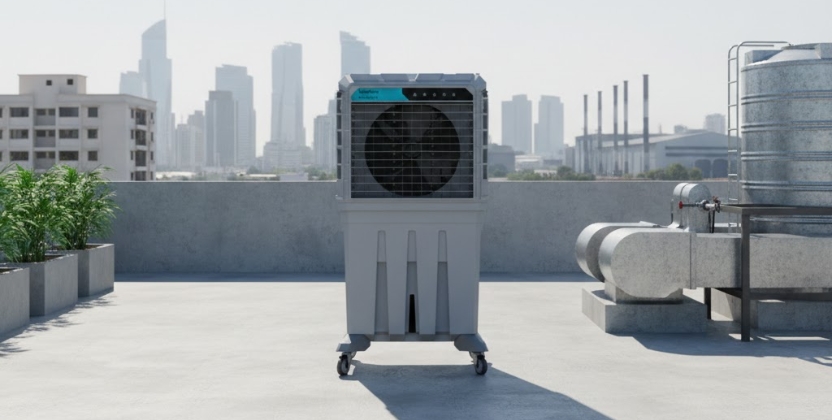




The dominance of the plastic air cooler in residential, commercial and industrial cooling markets is a testament to its successful marriage of performance, cost effectiveness, and durability. Moving beyond the limitations of older metal designs, which were prone to rust and corrosion in humid environments, modern evaporative cooling units constructed from high grade plastics have proven their resilience across diverse climatic conditions. The choice of polymer material is no longer an afterthought but a critical factor in determining the unit’s lifespan, its operational efficiency, and its ecological footprint. As the demand for sustainable cooling solutions grows globally, the evolution of this technology is focusing on innovative material science, particularly incorporating recycled plastics and nanotechnology, to redefine what an efficient, long lasting, and environmentally conscious cooler can be.
Table of Contents
How are manufacturers making plastic air coolers more sustainable and recyclable?
The shift toward sustainability in manufacturing mandates that the entire lifecycle of a product be considered, including its material sourcing and end of life processing. For the plastic air cooling, this translates into a powerful trend of utilizing recyclable and recycled polymers, transforming the device into a more environmentally responsible cooling solution.
How does using recycled plastic reduce the environmental impact of air cooler manufacturing?
- The use of recycled plastic in the housing and non-load-bearing components significantly diminishes the reliance on fossil fuels required for virgin plastic production.
- Manufacturing with recycled content, such as recycled High Density Polyethylene (HDPE) or Polypropylene (PP), reduces the energy consumption and greenhouse gas emissions associated with the production process compared to new material synthesis.
- This material choice aligns the product with the principles of the circular economy, ensuring that plastic waste is treated as a valuable resource rather than a disposable liability.
Does a plastic body affect the cooler's product lifespan or recycling stream?
- The inherent properties of plastics, such as corrosion resistance and resilience to impact and dents, already contribute to a long product life, reducing the frequency of replacement.
- When the air cooling unit eventually reaches the end of its service life, the majority of its plastic body components are readily identifiable and compatible with existing municipal and industrial recycling streams.
Beyond the material, how does the operation of the cooler reduce its environmental impact?
- Evaporative cooling itself is environmentally superior to traditional air conditioning because it uses no harmful refrigerants like CFCs or HFCs, which have a high global warming potential.
- By combining this environmentally friendly operational principle with a body made from recycled, durable materials, the total environmental footprint of the plastic air cooler is optimized across both its use phase and its material phase.
What advanced plastic polymers are used to increase the durability and efficiency of air coolers?
The performance advantages of the modern evaporative cooler are inextricably linked to the advanced plastic polymers used in its engineering. These polymers are chosen specifically for their optimal balance of chemical resistance, mechanical strength, and thermal properties, surpassing the capabilities of traditional metal casework in various demanding environments.
Superior Durability and Corrosion Resistance in Durable Plastic Air Cooler:
- Polymers like ABS (Acrylonitrile Butadiene Styrene) and UV stabilized Polypropylene are naturally immune to rust and corrosion, a critical advantage in an appliance that constantly handles water and operates in high humidity.
- Unlike metal units, which can suffer from electrochemical degradation over time, the plastic body maintains its structural integrity and aesthetic appearance, making it ideal for coastal regions or industrial settings where exposure to moisture and mild chemicals is common.
Optimizing Insulation and Thermal Performance in Plastic Misting Cooler:
- Plastic is inherently a poor thermal conductor compared to metals. This low thermal conductivity acts as a natural insulator, minimizing unwanted heat transfer into the water reservoir and the core components of the cooler.
- Better insulation ensures that the cooling process itself is more efficient, as less energy is wasted fighting ambient heat trying to enter the system. This contributes directly to lower electricity consumption and improved energy efficiency.

Flexibility in Design and Manufacturing of Plastic Air Coolers:
- The versatility of injection molded plastics allows engineers to create complex, aerodynamic shapes that optimize airflow and reduce internal pressure drops.
- Features like integrated water level indicators, ergonomic handles, and customized drainage ports are easily incorporated into the plastic design, enhancing user experience and reducing manufacturing complexity.
- This lightweight nature of plastic also makes the unit highly portable, allowing for easy repositioning within large commercial or residential spaces, further adding to the unit's efficiency as cooling can be precisely targeted.
Nano Coated Plastic Air Cooler: Polymer Evaporative System
How Nanotechnology Is Enhancing Heat Transfer Efficiency and Longevity
The next frontier for the plastic air cooler involves the strategic application of nanotechnology to enhance performance parameters that traditional materials cannot address. Nano coated plastic polymers are emerging as a revolutionary approach to boost heat transfer efficiency, conserve water, and significantly prolong the functional life of critical internal components.
Enhancing Evaporative Heat Transfer in Plastic Portable Cooler:
- Nanocoatings are applied to the cooling pads and heat exchange surfaces within the unit. These coatings are engineered at the nanoscale to manipulate the surface structure, creating superhydrophilic or superhydrophobic properties as required.
- In the cooling pads, nanoscale surface patterning ensures uniform water distribution and wetting, maximizing the surface area available for evaporation. This leads to a more effective and rapid heat transfer from the air to the water, boosting the cooling output without increasing power draw.
- Some advanced coatings involve embedding nanoparticles (such as metal oxides or carbon nanotubes) into the plastic surfaces, subtly increasing the thermal conductivity of the polymer layers to help dissipate any parasitic heat more quickly.
Anti Microbial and Longevity Features in Durable Plastic Cooler:
- A significant challenge in water based cooling systems is the buildup of scale, mineral deposits, and biofouling (algae and bacteria) on the wetted pads and tank surfaces.
- Nanocoatings infused with antimicrobial agents (like silver nanoparticles) create a persistent, sterile surface that inhibits the growth of harmful microorganisms.
- This microbial control is crucial for maintaining air quality and prevents the degradation of the cooling pads, substantially extending their effective lifespan and reducing the need for frequent maintenance.
Water Conservation Through Surface Science Plastic-cased Air Cooler:
- Nanotechnology enables the creation of surfaces that optimize water flow and retention on the pads, leading to less water runoff and greater efficiency in water usage.
- By ensuring that water is held precisely where evaporation can occur most efficiently, the polymer evaporative system minimizes waste, leading to a demonstrable reduction in the system’s water consumption over time, making it suitable for regions facing water scarcity challenges.
- This microbial control is crucial for maintaining air quality and prevents the degradation of the cooling pads, substantially extending their effective lifespan and reducing the need for frequent maintenance.
Conclusion
The plastic air cooler stands as an exemplary case study in how material science and engineering innovation can transform a utility appliance into a high performance, sustainable, and highly efficient product.
- The industry’s commitment to using recyclable materials ensures that the cooler’s environmental impact is minimized throughout its entire existence, aligning with global mandates for waste reduction and resource conservation.
- The selection of advanced plastic polymers has not only solved the chronic issues of corrosion and heavy weight associated with older designs but has also introduced benefits like superior insulation and flexible, aerodynamic casing designs that directly enhance cooling efficiency.
- The emerging use of nanotechnology represents the pinnacle of this evolution, offering capabilities that fundamentally alter the heat transfer process, enhancing longevity, and ensuring superior hygienic operation.
- Collectively, these advancements solidify the plastic air cooler as an essential, smart, and durable cooling solution, poised to meet the growing global demand for affordable and ecologically sound thermal comfort in the decades to come.
Plastic Air Cooler FAQs
Plastic Air Cooler: Dominating the Residential, Commercial & Industrial Cooling Market
What are plastic air coolers, and how do they work in industrial and commercial environments?
Plastic air coolers are cooling systems made from durable plastic materials that use evaporative cooling technology to lower the temperature in large, open spaces. These coolers work by drawing in hot air, passing it through water-saturated cooling pads, and releasing cool air back into the environment. Plastic coolers are commonly used in both industrial and commercial settings such as factories, warehouses, and event venues, where they provide cost-effective and energy-efficient cooling.
Are plastic coolers suitable for large industrial spaces?
Yes, plastic coolers are available in both small and large sizes, making them ideal for various applications. For large industrial spaces, a big plastic cooler or plastic cooler big size can efficiently cool vast areas, improving worker comfort and boosting productivity. These larger coolers are designed to handle high cooling capacities and are often more affordable than traditional air conditioning units.
What is the price range for plastic air coolers for commercial and industrial use?
The plastic air cooler price can vary depending on the size, features, and cooling capacity. Small plastic coolers may be more affordable and suitable for smaller spaces or specific areas in commercial settings. However, for larger industrial or commercial environments, a plastic cooler big size price will be higher, reflecting its increased cooling capacity and durability. It’s best to evaluate the space and cooling needs before choosing a cooler.
How do small plastic coolers perform in commercial settings?
Small plastic coolers are perfect for cooling smaller commercial areas such as offices, small shops, or individual workstations. A plastic small cooler can effectively cool these areas without the high energy costs associated with larger systems. These coolers are compact, portable, and easy to install, offering a convenient solution for localized cooling.
What makes PVC coolers different from other plastic coolers?
PVC coolers are made from polyvinyl chloride, which is a robust and lightweight material often used in manufacturing air coolers. A cooler PVC has the added benefit of being resistant to corrosion and wear, making it ideal for environments with high humidity, such as factories and warehouses. Plastic air coolers made from PVC also offer enhanced durability and long-lasting performance compared to other materials.
What is the best plastic air cooler for industrial use?
The best plastic air cooler for industrial use will depend on the specific needs of the environment. For large, open spaces, a big plastic cooler will be more suitable due to its higher cooling capacity. However, for smaller areas, a plastic small cooler can provide sufficient cooling. It’s important to consider the area size and cooling efficiency when selecting the most appropriate unit.
Are plastic coolers energy-efficient?
Yes, plastic air coolers are typically more energy-efficient than traditional air conditioning systems. They use evaporative cooling, which requires significantly less energy to operate compared to refrigerant-based air conditioning. Whether you are using a small cooler plastic or a plastic cooler big, these systems provide effective cooling with lower electricity consumption, making them an eco-friendly option for both industrial and commercial applications.
Can plastic air coolers be used outdoors?
Yes, many plastic air coolers are designed for both indoor and outdoor use. These coolers are ideal for outdoor events, large outdoor seating areas, or open-air industrial spaces. The portability of small plastic coolers and plastic small coolers makes them easy to move around, offering flexible cooling solutions for both commercial and industrial settings.
How long do plastic coolers last, and what is their maintenance like?
Plastic coolers are durable and can last for several years with proper maintenance. Routine maintenance includes cleaning the water tank, replacing cooling pads, and ensuring proper airflow. PVC coolers and other plastic air coolers require minimal maintenance, making them ideal for commercial and industrial use where downtime is costly. Regular maintenance helps extend the lifespan of your cooler and ensures optimal performance.
What is the cooling capacity of plastic air coolers?
The cooling capacity of plastic air coolers can vary depending on their size and design. For smaller areas, a small plastic cooler will provide enough cooling, while larger commercial or industrial spaces may require a plastic cooler big with a higher capacity. Generally, the larger the cooler, the greater its ability to cool a larger area. It's important to choose a cooler that matches the size and ventilation of the space you're trying to cool.
Can I use plastic coolers in high humidity areas?
Plastic air coolers generally work best in dry to moderately humid environments. In areas with extremely high humidity, the cooling efficiency may be reduced, as the air is already saturated with moisture. However, some PVC coolers and plastic air coolers are designed to work in higher humidity areas and can still provide effective cooling, though their performance might be slightly lower.
Are plastic coolers suitable for cooling large event spaces?
Yes, plastic air coolers are excellent for cooling large event spaces, such as outdoor festivals, trade shows, and sports events. Plastic coolers big in size can cool vast areas efficiently, providing comfort for attendees while remaining energy-efficient and cost-effective. These coolers are easy to transport and set up, making them a versatile cooling option for temporary or large-scale events.

Maulik Solanki is a seasoned B2B Product Marketing professional specializing in Industrial and Commercial Coolers in the LSV (Large Space Venticooling) segment. With 13+ years of experience, he drives brand building and audience engagement for Symphony’s LSV solutions through integrated offline and online strategies. Backed by an MBA in Marketing and earlier experience as a Regional Marketing Manager in banking, Maulik brings strong skills in sales, advertising, and events. He enjoys exploring new marketing ideas and cooling technologies and writes to help readers understand Symphony’s offerings.

Sourav Biswas is a senior marketing leader heading the LSV (Large Space Venticooling – B2B) marketing function at Symphony Limited. He shapes the brand’s strategic narrative, strengthens market leadership, and ensures excellence across all B2B cooling solutions. With deep expertise in Strategic Marketing, Brand Management, Advertising, and PR, he reviews content with analytical precision and alignment to Symphony’s vision. Passionate about mentoring and tracking B2B trends, Sourav ensures every content piece reflects accuracy, relevance, and strategic depth.