
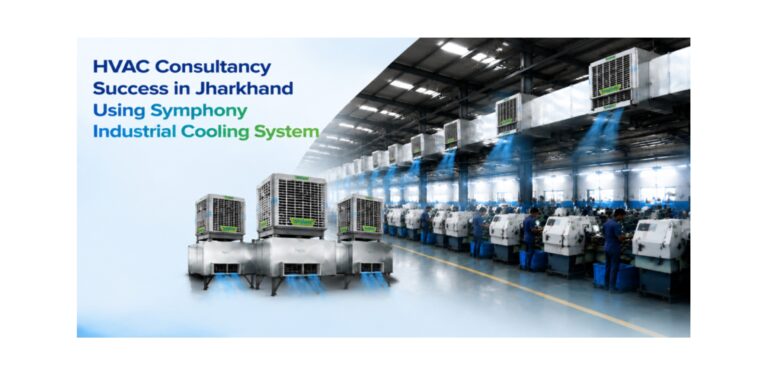
HVAC Consultancy Success in Jharkhand Using Symphony Industrial Cooling Systems
M J Thomas, proprietor of Aircon Engineering in Jamshedpur, Jharkhand, has built his HVAC consultancy on a single principle: every recommendation must hold up for the next five to ten years. That standard drove him to seek an industrial cooling solution that could genuinely serve large and semi open spaces, provide meaningful air circulation, install without operational disruption, and remain reliable over the long term. Symphony’s Industrial Air Cooling range met every requirement. Across industrial facilities, hospitals, and manufacturing plants in Jharkhand, Mr. Thomas has used Symphony’s systems to anchor long term client relationships, shorten sales cycles, and build a practice known for the quality of its recommendations.
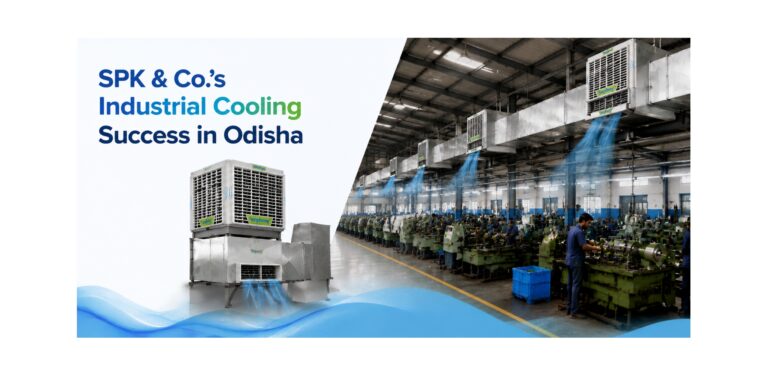
SPK & Co.’s Industrial Cooling Success in Odisha
SPK & Co., an HVAC dealership in Bhubaneswar, Odisha, joined Symphony’s industrial cooler dealer network in 2021. Proprietor Soumya Ranjan Vijay Singh identified a gap in the market: large open and semi open commercial spaces that conventional air conditioning could not serve effectively or affordably. By educating buyers, using a test unit approach, and leveraging Symphony’s support infrastructure, SPK & Co. built a growing portfolio of installations across restaurants, industrial kitchens, ceramic facilities, and large commercial spaces in Odisha. Each successful installation generated repeat orders and referrals, driving consistent year on year sales growth since the partnership began.
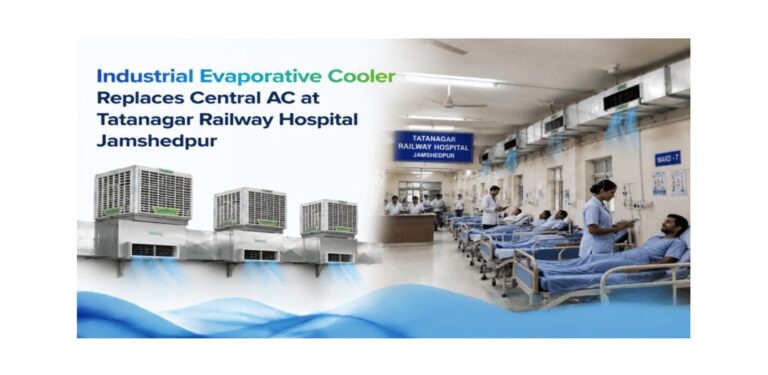
Industrial Evaporative Cooler Replaces Central AC at Tatanagar Railway Hospital Jamshedpur
Tatanagar Railway Hospital in Jamshedpur faced a critical seasonal problem: summer temperatures reaching 40 to 45 degrees Celsius made the OPD waiting area and hospital wards unbearable for patients, guardians, and staff. Hospital authorities had initially planned to install central air conditioning. After reviewing an alternative proposal, they approved the installation of Symphony Industrial Coolers instead. The result was strong, reliable cooling performance across OPD and ward areas, measurable relief for all occupants, lower installation costs than AC, reduced electricity consumption, and a service and support experience that led the electrical team and the infrastructure vendor to recommend Symphony for similar institutional projects across Jharkhand.
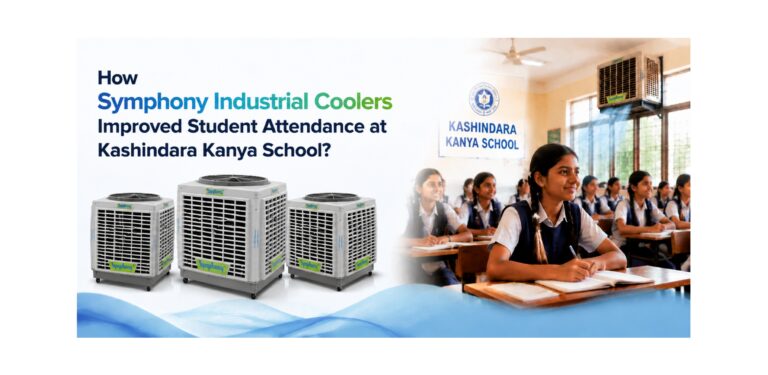
How Symphony Industrial Coolers Improved Student Attendance at Kashindara Kanya School?
Kashindara Kanya School, a girls school led by Principal Goyal Praful for the past 10 years, faced a recurring summer heat problem that affected student concentration, teacher comfort, and overall attendance. After installing Symphony commercial and industrial cooler systems across the school premises, classrooms transformed from uncomfortably warm environments into cool, productive learning spaces. The outcomes were immediate and measurable: improved student focus, higher and more consistent attendance, better teacher wellbeing, lower electricity bills, and a stronger school reputation in the community. Local girls who might previously have considered private schools are now choosing to stay, citing the improved school environment.
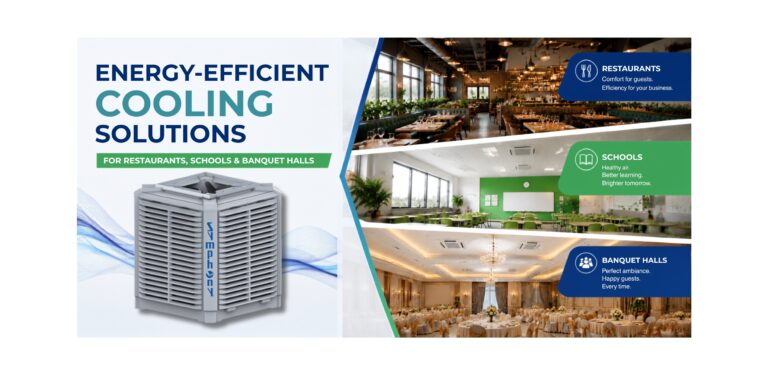
HVAC Consultants’ Energy-Efficient Cooling Solutions for Restaurants, Schools and Banquet Halls
HVAC consultant Sanjay Singh has partnered with Symphony since 2020, providing energy efficient commercial cooling solutions across restaurants, banquet halls, swimming pools, schools, coaching centers, and small industries. Before this association, his clients struggled with cooling systems that were energy inefficient and costly to maintain. Symphony’s commercial cooling range changed that: purpose built for open and large spaces, it eliminated the energy and service cost problems his clients faced. Since 2020, every client Sanjay has served has been satisfied, a track record he attributes equally to Symphony’s product quality and his own hands on after sales service.
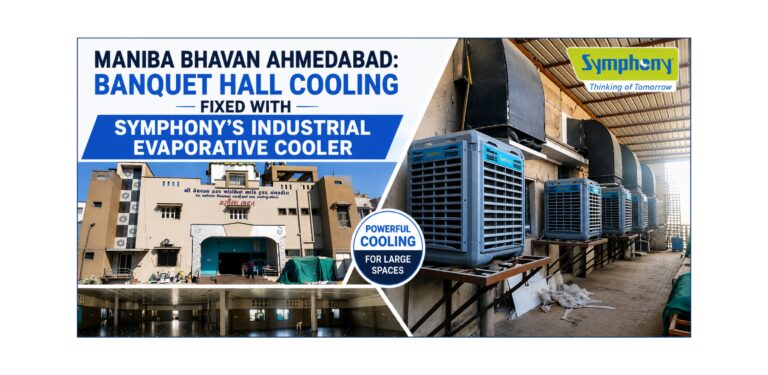
Maniba Bhavan Ahmedabad: Banquet Hall Cooling Fixed with Symphony’s Industrial Evaporative Cooler
Maniba Bhavan, a wedding and banquet hall in Ahmedabad, Gujarat, faced a persistent guest comfort problem: oppressive summer heat worsened by live cooking counters that made conventional air conditioning both impractical and cost-prohibitive. This case study examines how the venue resolved it with Symphony’s industrial evaporative air cooling system.
Installed five to six years ago, Symphony’s large-space coolers delivered five years of zero-maintenance performance, eliminated guest heat complaints, and cut operating costs significantly compared to AC — making Maniba Bhavan’s management among the solution’s most vocal advocates in the hospitality sector.
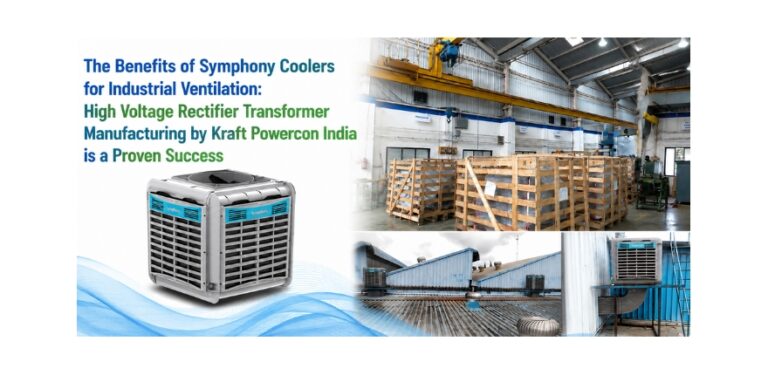
Symphony Coolers for a Dustproof Industrial Environment: Kraft Power Con India’s High-Voltage Rectifier Transformer Manufacturing Success
Kraft Power Con India Limited manufactures high-voltage rectifier transformers in Pune. Its manufacturing process faced temperature-related problems due to dust particles. The company installed Symphony Industrial Coolers, which not only control the temperature but also require significantly less maintenance and are more affordable than conventional air-conditioning systems. As a result, the manufacturing process improved, product quality increased and operational costs decreased.
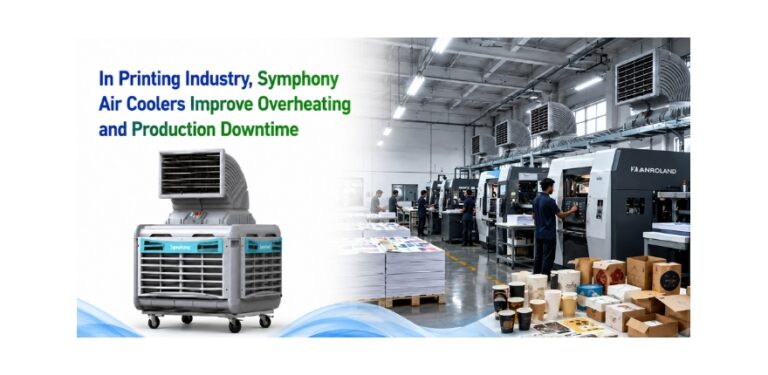
Solving Machine Overheating and Production Downtime in the Printing Industry with Commercial Air Coolers: Gopal Printers’ Symphony Air Cooling Success Story
Gopal Printers, which is engaged in printing, cup and box manufacturing, was struggling with machine overheating, declining production quality and workers’ health problems due to extreme heat. The company installed Symphony commercial air coolers based on evaporative air cooling technology. After approximately one year of use, the machine breakdown problem was reduced significantly, product quality improved, heat-related illnesses among workers decreased and Symphony’s service response remained excellent. According to Head of Operations Shubhojit Pal, this investment proved beneficial for both factory productivity and workforce health.
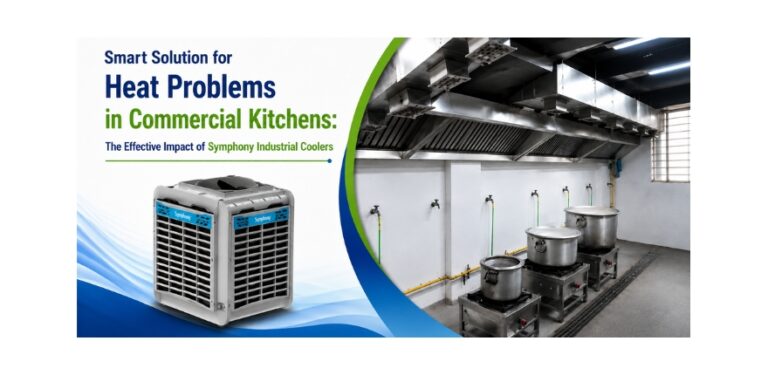
Smart Solution to Heat Problems in Commercial Kitchens: The Real Impact of Symphony Commercial Coolers
Odisha Equipment & Services, a Bhubaneswar-based commercial kitchen consulting firm, was using conventional kitchen heat management solutions for its hotel and institutional clients. The company realised that traditional air washer systems require considerable space, civil work, electricity consumption and maintenance costs. After adopting Symphony Commercial Coolers, the company witnessed significant improvements in kitchen temperature control, staff comfort, installation costs and operational expenses. According to founder Siddharth Sandipani, Symphony Commercial Coolers are the most practical solution for kitchen heat management.
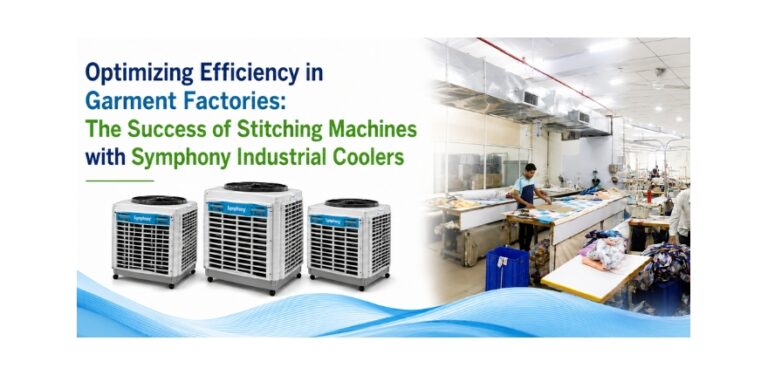
Solving Productivity Problems Caused by Stitching Machine Heat in a Garment Factory: The Success of Symphony Industrial Coolers
Suprint Textiles, a Jaipur-based garment manufacturer that makes garments for Tata, Reliance and Pantaloons, was facing the problem of workplace heat generated by stitching machines. The company adopted Symphony Industrial Coolers and installed them across multiple factories in a phased manner. Positive results were observed within the first month. After a successful one-year trial, the company installed Symphony coolers across all four factories. According to Prakash Singh, Supervisor at Suprint, Symphony Industrial Coolers have significantly improved worker comfort, productivity and long-term reliability.
Top 10 Questions to Ask Before Buying an Industrial Air Cooler: A Complete Buyer’s Checklist for Factories, Warehouses, and Commercial Spaces
Choosing the wrong industrial air cooler is a costly mistake that is made more often than it should be. Undersized units that cannot cool the space, oversized units that raise humidity uncomfortably, inappropriate technology choices for open environments, cheap units that fail mid-summer, and poorly planned duct installations are the most common outcomes of purchases made without the right information. This article gives buyers a definitive 10-question checklist to evaluate before committing to any industrial or commercial evaporative cooling system. Each question covers a specific dimension of the buying decision: space sizing, humidity, building type, airflow capacity, system configuration, total cost, pad technology, service coverage, installation requirements, and certifications. Working through these questions produces a specification that prevents the most common and expensive mistakes.
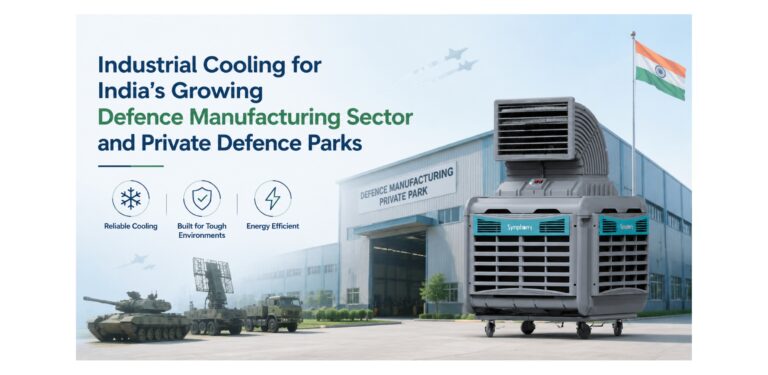
Industrial Cooling for India’s Growing Defence Manufacturing Sector and Private Defence Parks
India’s defence production ambition of Rs 3 lakh crore by FY2029 is driving rapid expansion of manufacturing capacity across two dedicated Defence Industrial Corridors in Uttar Pradesh and Tamil Nadu, as well as existing HAL and OFB facilities. Aircraft hangars, ammunition plants, composite fabrication units, precision machining shops, and large assembly bays all present demanding industrial cooling challenges that require heavy-duty, reliable, and in some cases intrinsically safe solutions. This article covers why the defence sector is a growing market for industrial air coolers, what the specific cooling challenges are at each facility type, how to approach hangar and ammunition plant cooling correctly, and where Symphony Venti-Cool’s LSV range fits in this environment.