
- Home
-
Products
-
Industrial Ducting Coolers
-
Venti Cool 11U
Venti Cool 11U
Industrial Ducting Coolers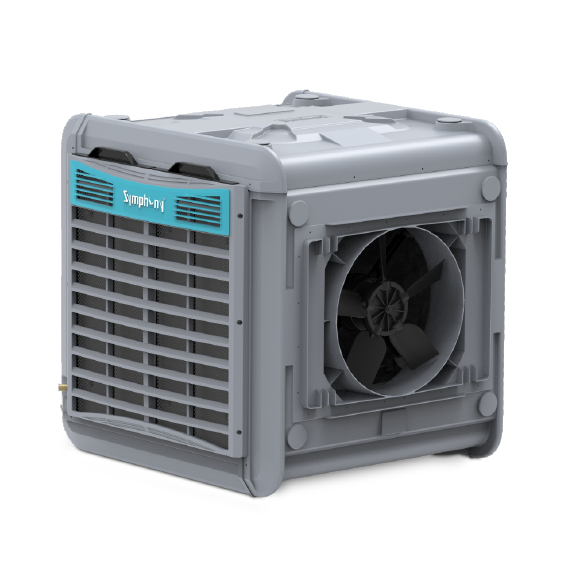 More Details
 Up to 700 sq. ft.*
Coverage Area 0.45 kW
POWERFUL MOTOR -
Venti Cool 20U
Venti Cool 20U
Industrial Ducting Coolers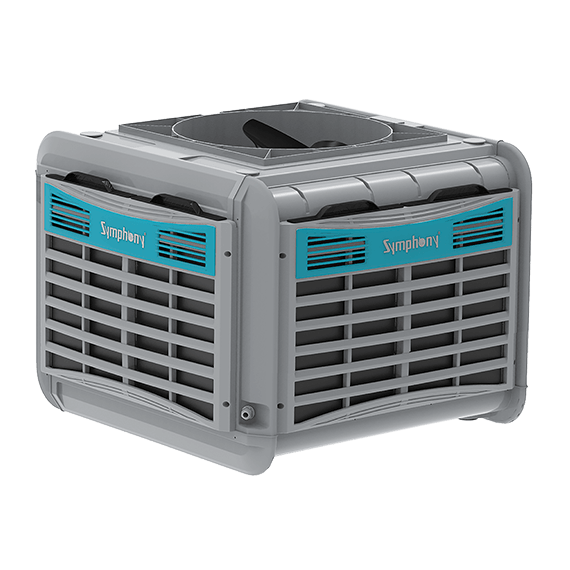 More DetailsUp to 1200 sq. ft.*
Coverage Area1.1 kW
POWERFUL MOTOR -
Venti Cool 22S
Venti Cool 22S
Industrial Ducting Coolers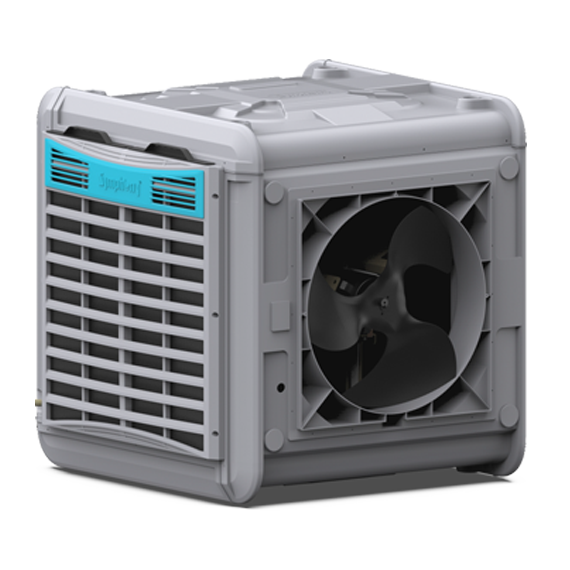 More DetailsUp to 1300 sq. ft.*
Coverage Area1.1 kW
POWERFUL MOTOR -
Venti Cool 25U
Venti Cool 25U
Industrial Ducting Coolers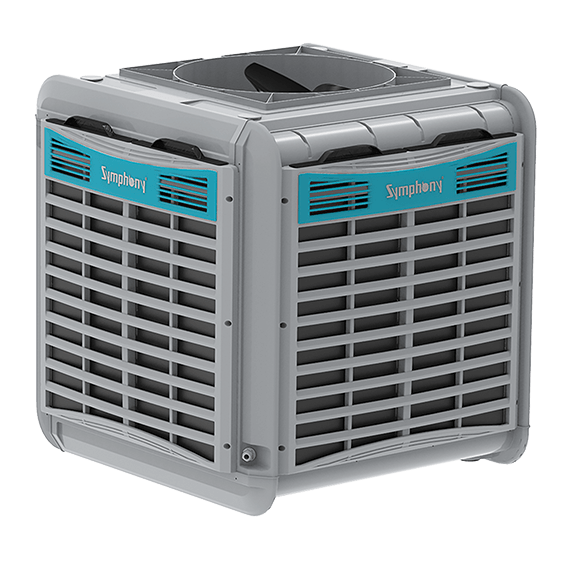 More DetailsUp to 1600 sq. ft.*
Coverage Area1.5 kW
POWERFUL MOTOR -
Venti Cool 40
Venti Cool 40
Industrial Ducting Coolers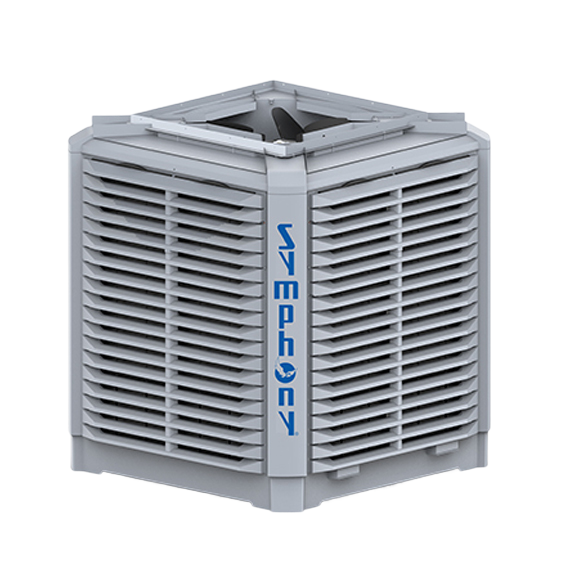 More DetailsUp to 2500 sq. ft.*
Coverage Area3 kW
POWERFUL MOTOR -
Movicool XXL
Movicool XXL
Industrial Ducting Coolers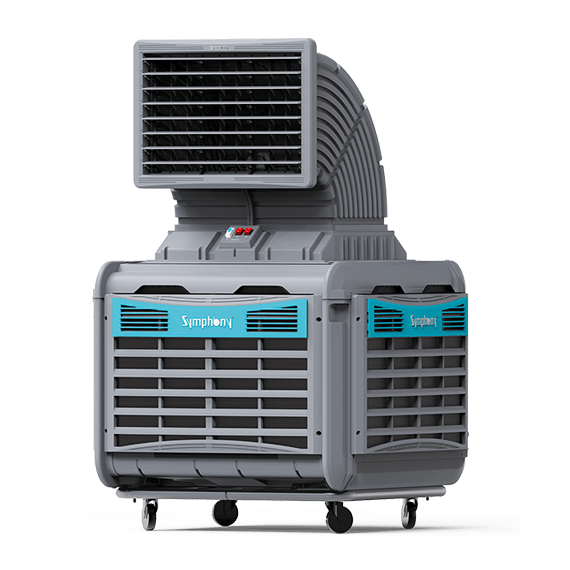 More DetailsUp to 1500 sq. ft.*
Coverage Area1.1 kW
POWERFUL MOTOR -
Venti Cool SPS45
Venti Cool SPS45
Industrial Ducting Coolers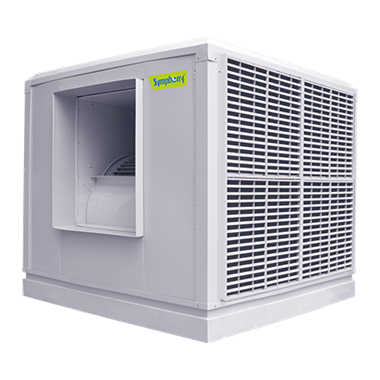 More Details150 kW
COOLING CAPACITY7.5 kW
POWERFUL MOTOR -
Venti Cool SPS75 / SPU75
Venti Cool SPS75 / SPU75
Industrial Ducting Coolers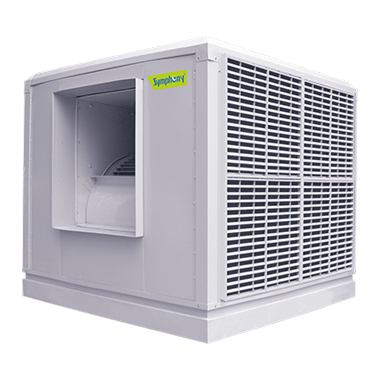 More Details260 kW
COOLING CAPACITY15 kW
POWERFUL MOTOR
-
Venti Cool 11U
-
Commercial Portable Air Coolers
-
Movicool DD 125
Movicool DD 125
Commercial Portable Air Coolers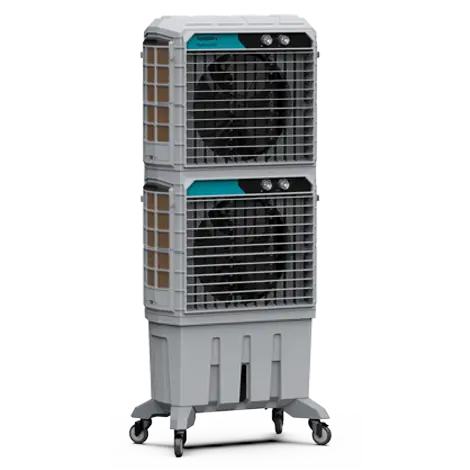 More DetailsUp to 710 sq. ft.*
Room Coverage Area225*2 Wattage (W)
LOW POWER CONSUMPTION -
Movicool XL 200
Movicool XL 200
Commercial Portable Air Coolers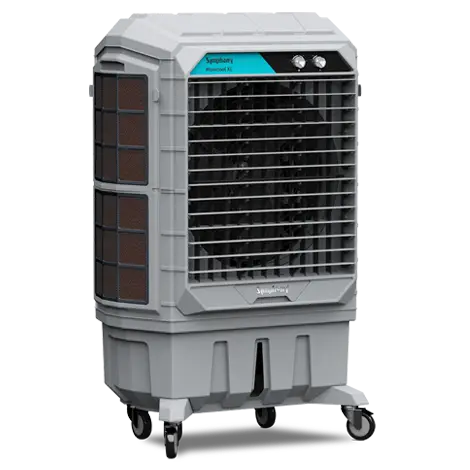 More DetailsUp to 710 sq. ft.*
Room Coverage Area605 Wattage (W)
LOW POWER CONSUMPTION -
Movicool L 200
Movicool L 200
Commercial Portable Air Coolers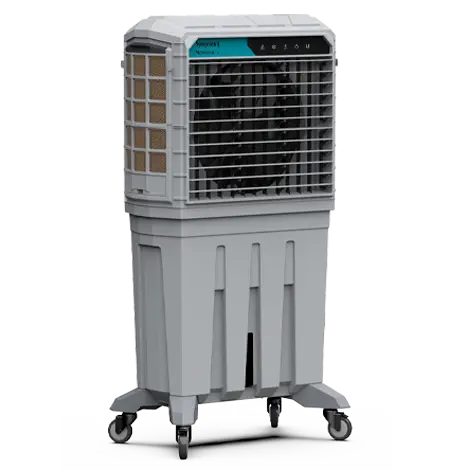 More DetailsUp to 710 sq. ft.*
Room Coverage Area225 Wattage (W)
LOW POWER CONSUMPTION -
Movicool L 125
Movicool L 125
Commercial Portable Air Coolers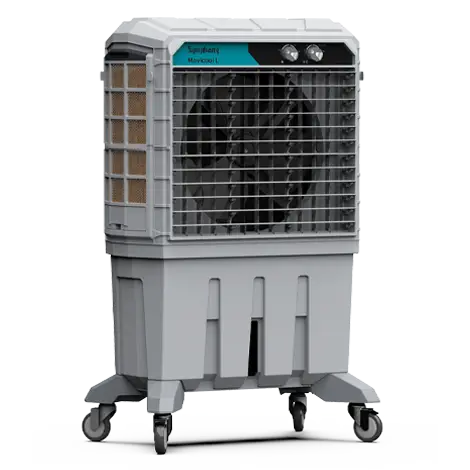 More DetailsUp to 678 sq. ft.*
Room Coverage Area225 Wattage (W)
LOW POWER CONSUMPTION -
Movicool L 65-S
Movicool L 65-S
Commercial Portable Air Coolers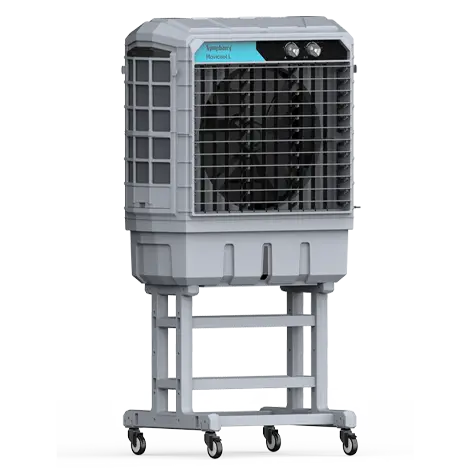 More DetailsUp to 678 sq. ft.*
Room Coverage Area225 Wattage (W)
LOW POWER CONSUMPTION -
Air Force 160
Air Force 160
Commercial Portable Air Coolers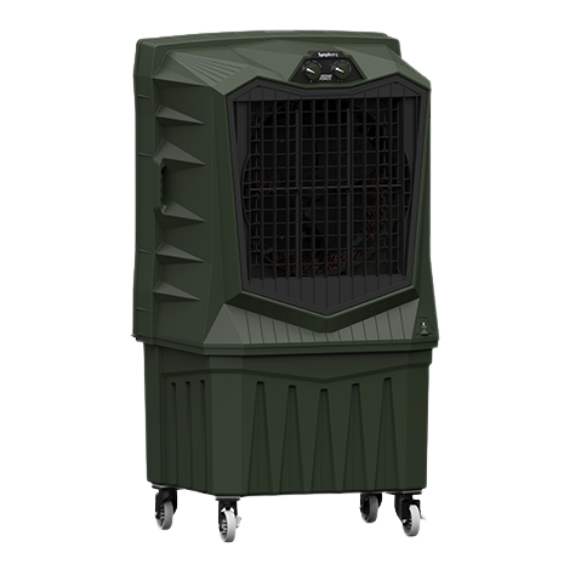 More Details21m*
AIR THROW445 Wattage (W)
LOW POWER CONSUMPTION -
Air Force 120
Air Force 120
Commercial Portable Air Coolers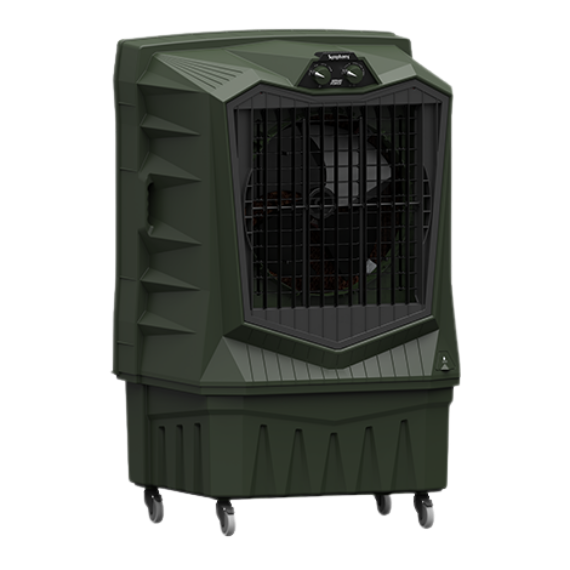 More Details21m*
AIR THROW325 Wattage (W)
LOW POWER CONSUMPTION
-
Movicool DD 125
-
Industrial Ducting Coolers
- Industries
- Installations
- Case Studies
- Contact Us


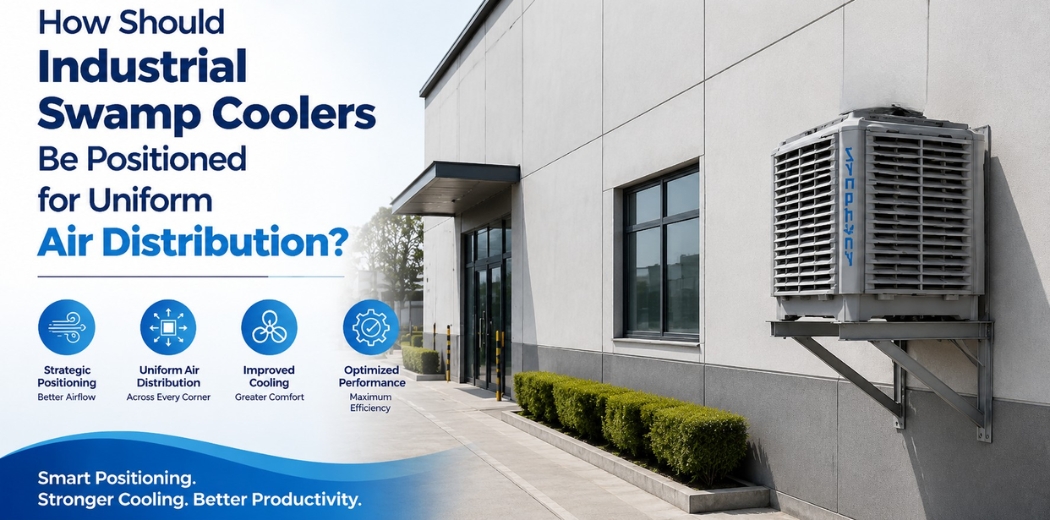
Uniform air distribution in industrial spaces depends on how swamp coolers are positioned, not just on cooling capacity. Discharge direction, unit placement, supply and...
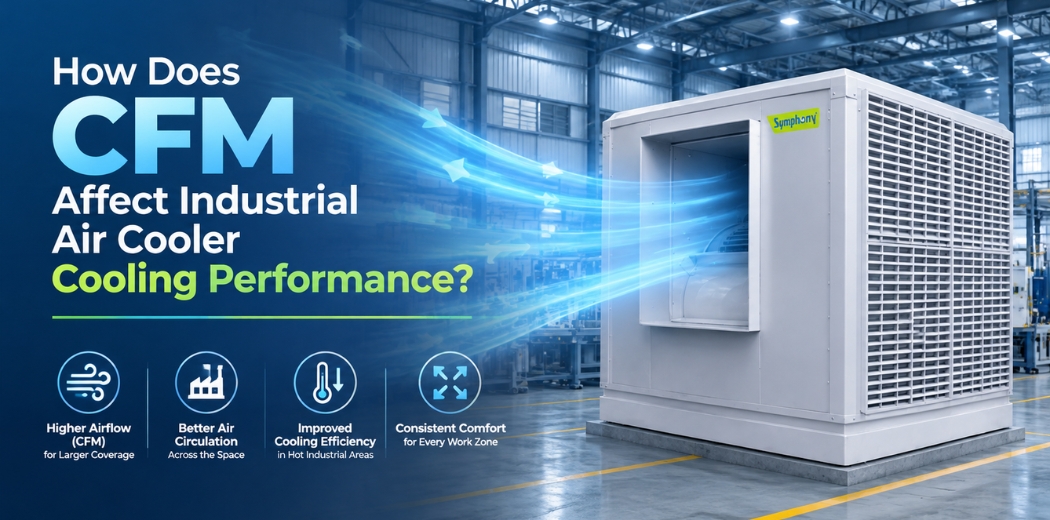
CFM (cubic feet per minute) measures how much air an industrial air cooler moves, and it directly affects cooling coverage, air circulation and Air Changes per Hour...
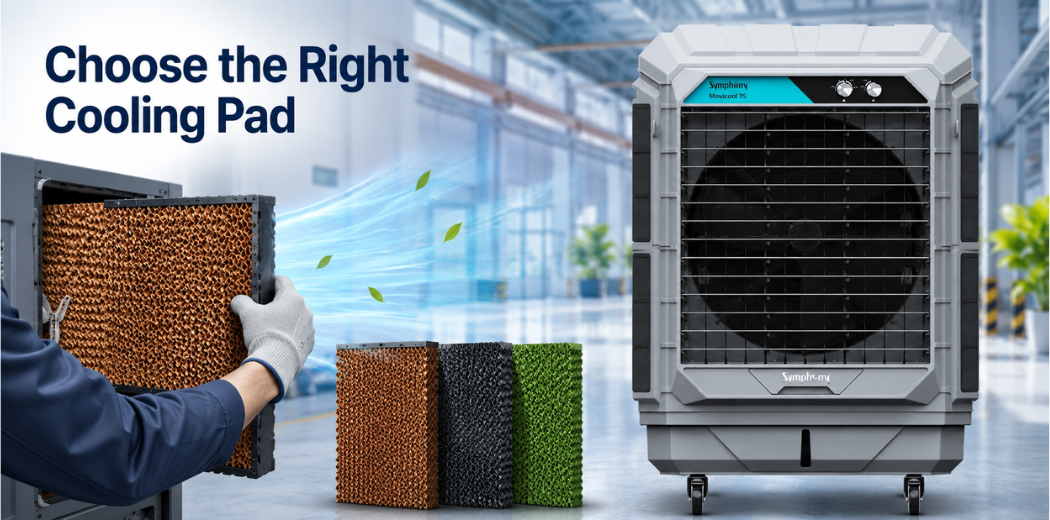
Cooling Pad Types, Selection, Life and Replacement for Industrial and Commercial Evaporative Coolers
Evaporative cooling pads are the core component that turns warm air into cool air inside an industrial air cooler, and honeycomb cellulose pads are now the standard choice...

Swamp cooler zoning divides a factory or warehouse into separate cooling areas, each served by its own unit or duct branch, so different zones can be cooled to different...
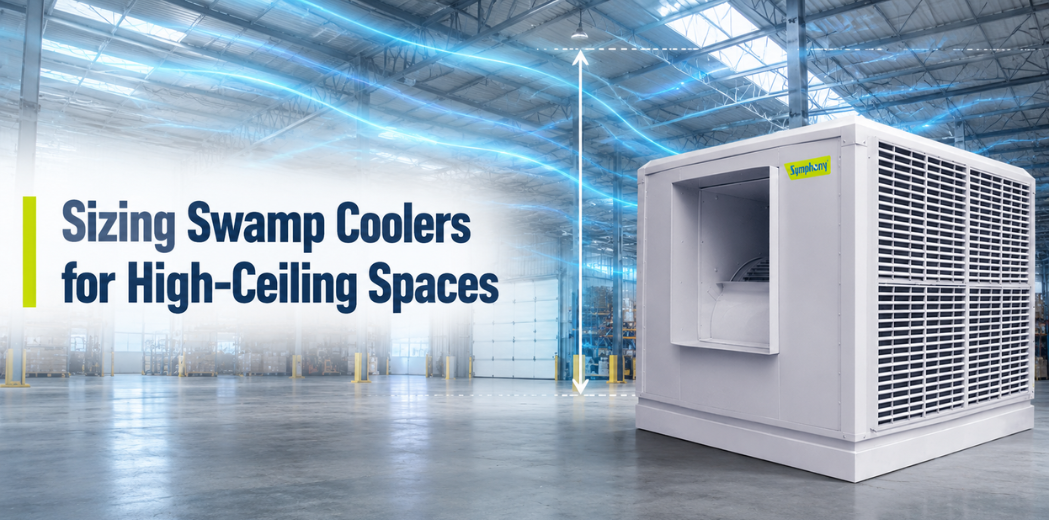
Swamp cooler sizing for a warehouse or factory depends on building volume, not floor area alone, which is why ceiling height has a direct and often underestimated impact on...
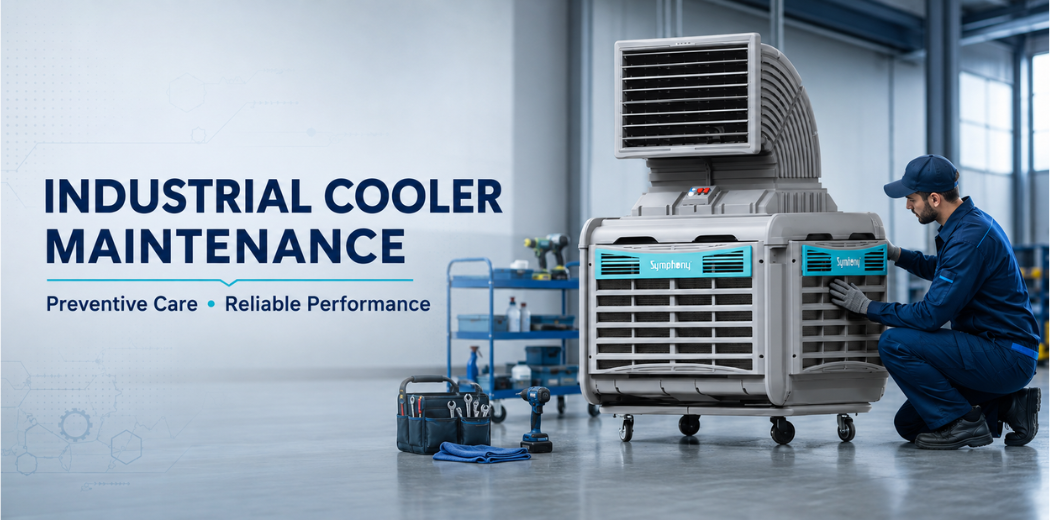
Industrial evaporative cooler maintenance keeps large cooling units running at full capacity, extends component life, and prevents costly downtime in factories and...
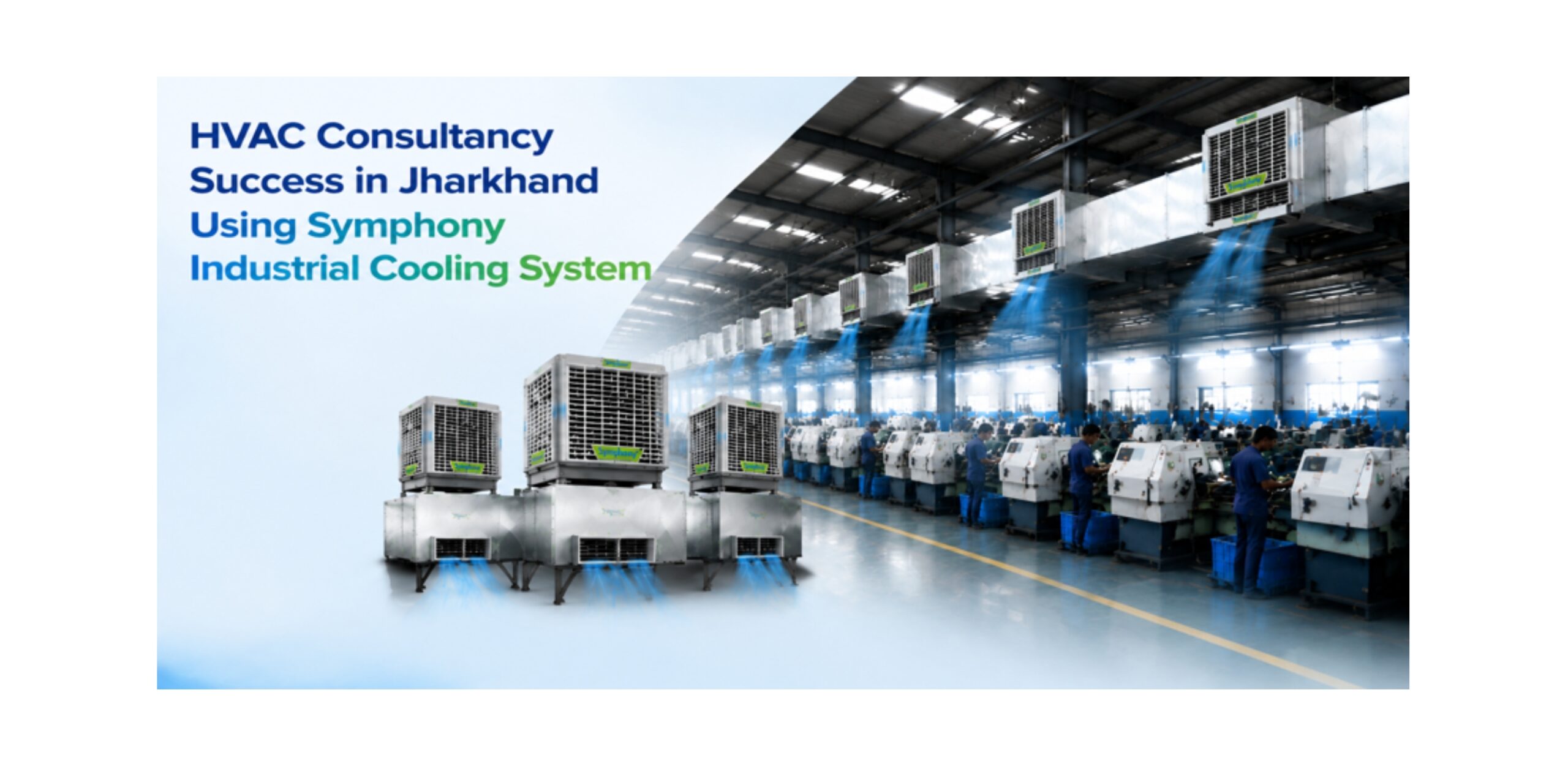
M J Thomas, proprietor of Aircon Engineering in Jamshedpur, Jharkhand, has built his HVAC consultancy on a single principle: every recommendation must hold up for the next...
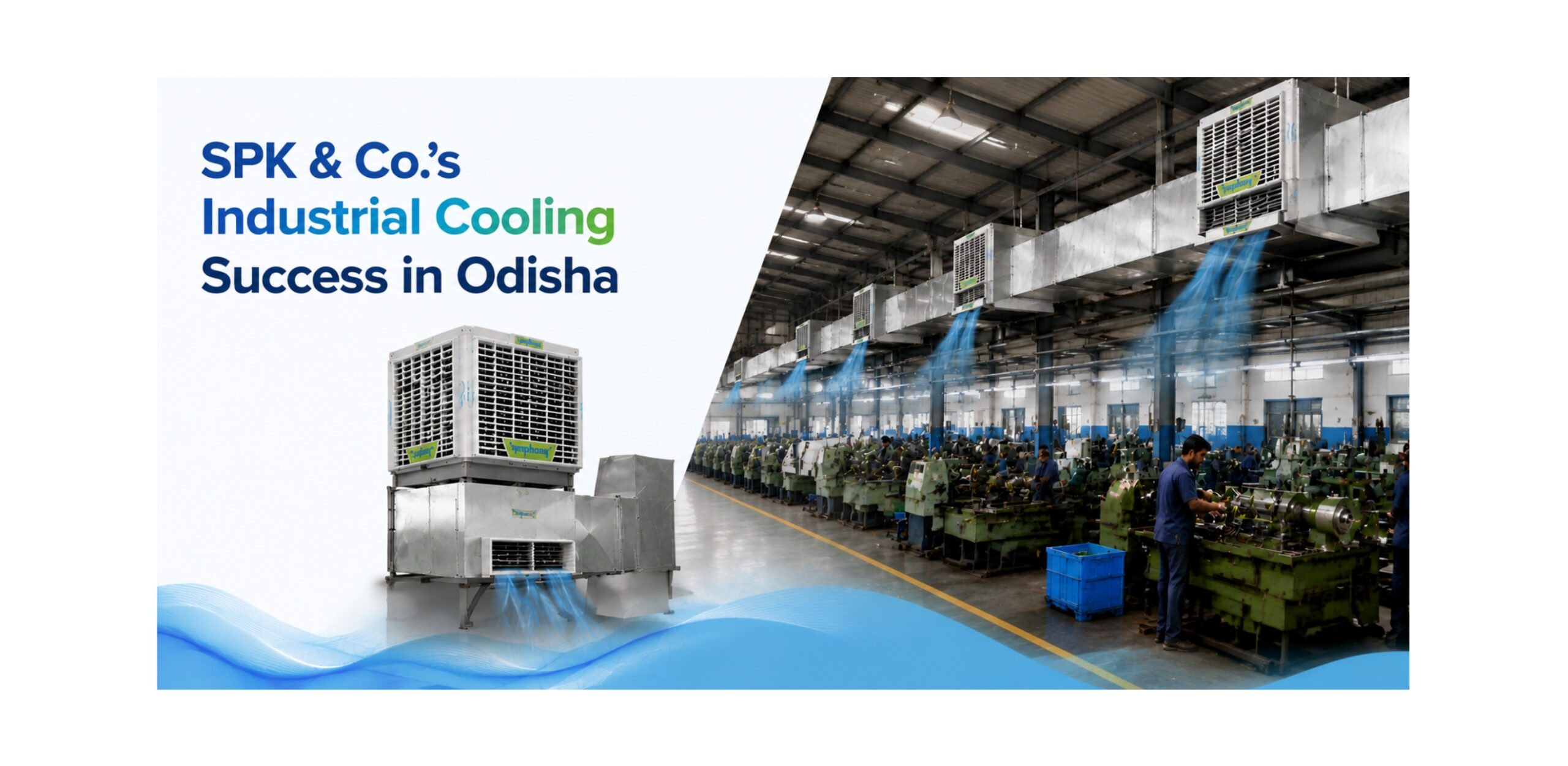
SPK & Co., an HVAC dealership in Bhubaneswar, Odisha, joined Symphony’s industrial cooler dealer network in 2021. Proprietor Soumya Ranjan Vijay Singh identified a gap in...
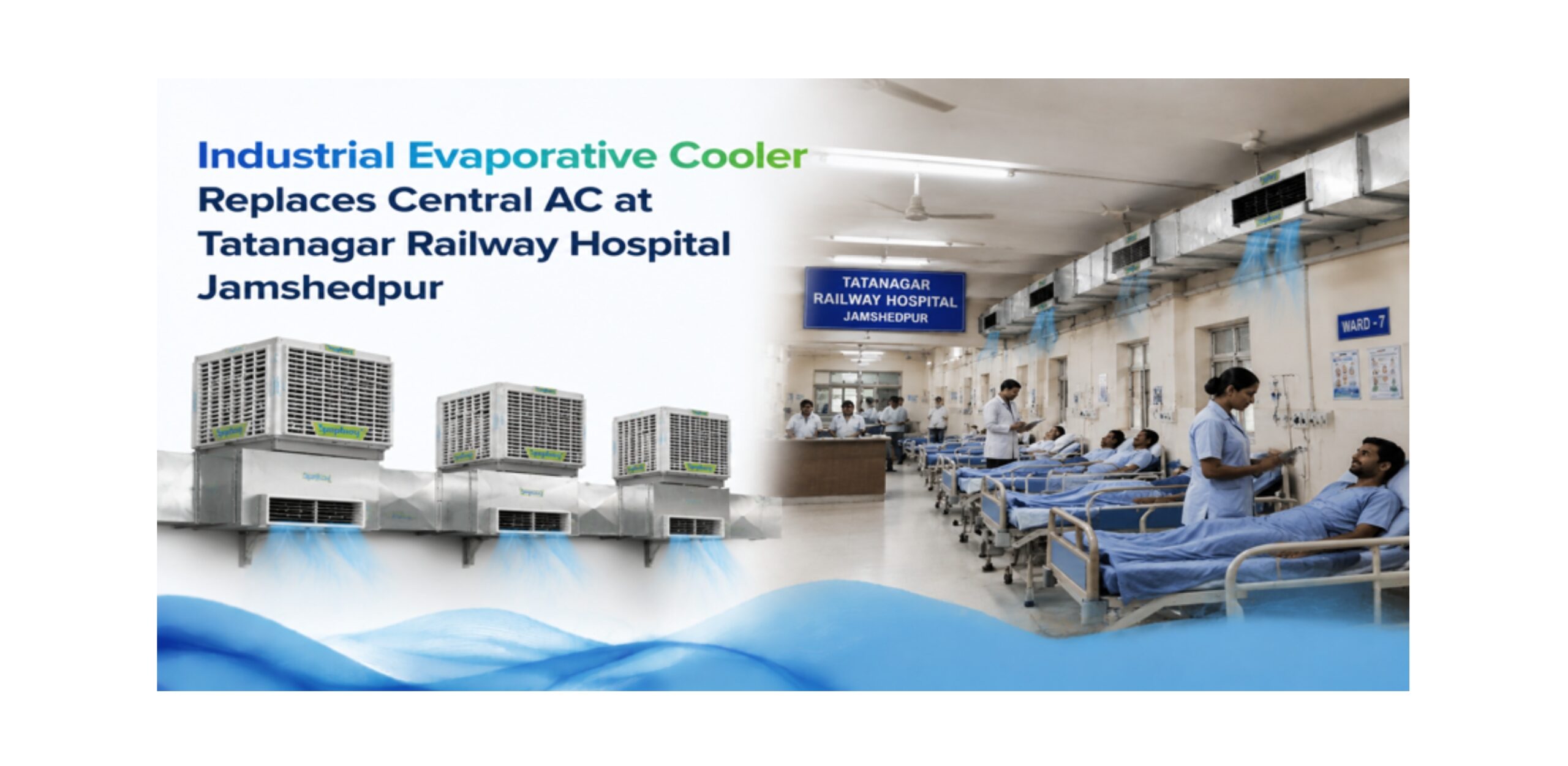
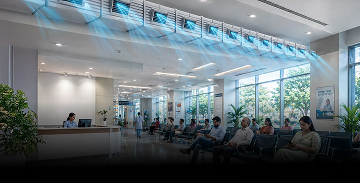
Tatanagar Railway Hospital in Jamshedpur faced a critical seasonal problem: summer temperatures reaching 40 to 45 degrees Celsius made the OPD waiting area and hospital...