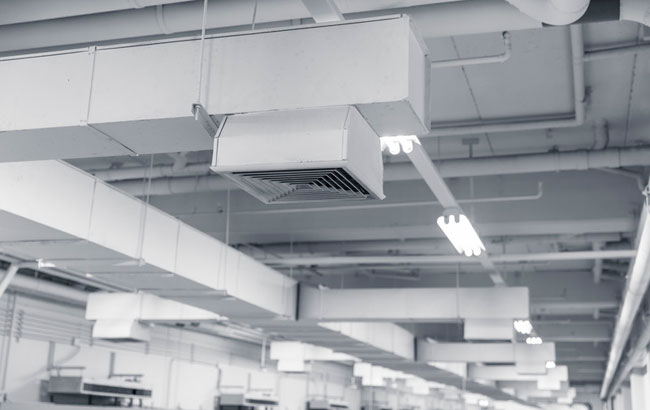
Indoor air quality (IAQ) is a crucial but often overlooked aspect of our daily lives. Most of us spend a significant amount of time indoors, whether it’s at home or in the workplace. Therefore, the quality of the air we breathe indoors can have a profound impact on our health and well-being. One of the essential contributors to maintaining good IAQ is the HVAC (Heating, Ventilation, and Air Conditioning) system.
Understanding the Importance of Indoor Air Quality
Before delving into the specifics of HVAC systems, it’s essential to understand why air quality matters. IAQ refers to the condition of the air within buildings, including homes, offices, and other indoor environments. Some common contaminants found in indoor air include dust, pollen, mold, and volatile organic compounds (VOCs). Inadequate ventilation and subpar HVAC systems can exacerbate these issues.
Inadequate ventilation, outdated AHU units, or poorly maintained Air Handling Units can worsen these issues.
How HVAC Systems Impact Air Quality
HVAC systems are not just about maintaining a comfortable temperature; they play a multifaceted role in enhancing IAQ.
1. Ventilation
Proper ventilation is the foundation of healthy indoor air quality (IAQ). A well-designed HVAC system doesn’t just cool or heat the air—it constantly replaces stale indoor air with fresh outdoor air. By maintaining this steady flow, the system helps dilute indoor pollutants such as odors, chemicals, moisture, and airborne particles, reducing their concentration to safer levels. This continuous exchange of air also minimizes the buildup of harmful substances that can cause discomfort, allergies, or long-term health issues, creating a safer, more comfortable environment for occupants in homes, offices, and industrial spaces.
2. Filtration and Purification
Modern HVAC systems go far beyond basic temperature control—they also play a key role in maintaining healthy indoor air quality. They are equipped with advanced air filters and purification technologies that continuously capture and reduce airborne contaminants as the air circulates through the system. These filters are designed to trap a wide range of particles, including dust, pollen, pet dander, smoke, and other allergens, while specialized purification mechanisms can help reduce bacteria, certain viruses, and other microorganisms. As a result, the air delivered into your living or working space is cleaner, safer, and more comfortable to breathe, supporting both health and overall well-being.
Common Contaminants in Air
Understanding the types of pollutants that can affect IAQ is essential for taking proactive steps to address them.
1. Dust and Allergens
Dust mites, pet dander, fabric fibers, and pollen are some of the most common indoor allergens. When they accumulate, they can trigger sneezing, irritation, and respiratory discomfort, especially in sensitive individuals. Well-designed HVAC systems with efficient air filters can capture and hold these fine particles, significantly reducing their circulation in your living or working spaces and improving day-to-day comfort.
2. Mold and Mildew
Excess humidity, leaks, or poor ventilation can lead to mold and mildew growth on walls, ceilings, ducts, and hidden corners. These microorganisms release spores into the air, which may cause allergies, breathing problems, and unpleasant odors. By maintaining proper temperature and humidity levels, HVAC systems help control moisture, minimize the risk of mold formation, and reduce the associated health concerns.
3. Volatile Organic Compounds (VOCs)
VOCs are gases released from many everyday products, including paints, varnishes, adhesives, cleaning chemicals, furniture, and air fresheners. Prolonged exposure to high VOC levels can contribute to headaches, irritation, and long-term health issues. Advanced HVAC systems, especially those integrated with air purifiers and activated carbon or specialized filters, help reduce VOC concentrations in the air, providing a cleaner, safer indoor environment.
Regular Maintenance: The Key to Clean Air
Maintaining the efficiency of your HVAC system is crucial for ensuring good IAQ.
1. Changing Air Filters
Regular filter replacement is one of the easiest and most effective ways to keep your HVAC system healthy. When filters become clogged with dust, allergens, and debris, airflow is restricted, forcing the system to work harder and reducing its ability to capture new contaminants. By changing filters at recommended intervals, you support better air circulation, lower energy consumption, and cleaner indoor air throughout your home or workplace.
2. Duct Cleaning
Over time, dust, dirt, pet hair, and even mold can accumulate inside air ducts. If left unaddressed, these contaminants can be recirculated every time the system runs, negatively affecting IAQ. Scheduled professional duct cleaning helps remove this buildup from the ductwork, ensuring that the air traveling through the system remains as clean as possible and reducing the risk of unpleasant odors, allergens, and microbial growth.
Investing in High-Efficiency HVAC Systems
High-efficiency HVAC systems are designed to optimize energy use and support better indoor air quality (IAQ) at the same time. Modern units integrate variable-speed compressors and fans, advanced filtration options, and smart controls that maintain more stable temperatures and humidity levels. This reduces short cycling, limits moisture buildup, and ensures that air spends more time passing through filters and purification stages, which improves contaminant removal.
1. Energy Star Ratings
HVAC systems with an Energy Star label are independently certified to meet strict energy-efficiency criteria, often featuring higher SEER (Seasonal Energy Efficiency Ratio), EER, and HSPF ratings compared to standard models. These systems typically include tighter cabinet construction to minimize air leakage, better coil design, and high-efficiency blowers. By running more efficiently and steadily, Energy Star–rated units can maintain consistent airflow, improve dehumidification, and keep filters working at optimum performance, which indirectly supports better IAQ while cutting electricity bills and reducing the building’s carbon footprint.
2. Smart Thermostats
Smart thermostats add a control layer that directly influences both comfort and IAQ. Beyond simple temperature scheduling, many models allow fine-tuning of fan runtimes, humidity setpoints, and ventilation cycles, and they can integrate with sensors for CO₂, VOCs, or occupancy. By preventing overcooling/overheating and maintaining tighter control over relative humidity (typically in the 40–60% range), smart thermostats help reduce conditions that favor mold growth and dust mite proliferation. Remote monitoring via apps and automation routines (e.g., increasing ventilation when occupancy rises or during specific hours) ensures that the HVAC system operates in the most efficient mode while continuously supporting cleaner, healthier indoor air.
The Role of HVAC in Commercial Spaces
Good IAQ is not limited to homes; it’s equally crucial in commercial and industrial spaces.
Balancing Energy Efficiency and IAQ
It’s possible to achieve a balance between energy efficiency and IAQ, benefiting both your wallet and your health.
Breathe Easier with a Healthy HVAC System
In conclusion, your HVAC system is not merely a climate control system; it’s a critical component of maintaining a healthy indoor environment. By understanding its role in IAQ and implementing the tips provided in this article, you can enjoy a more comfortable and healthier living space.
FAQs About HVAC and IAQ
Q1. How often should I change my HVAC system’s air filters?
Regularly changing air filters is recommended every 1 to 3 months, depending on the type of filter and your usage.
Q2. Can HVAC systems eliminate all indoor air contaminants?
While HVAC systems can significantly reduce contaminants, it’s essential to combine them with other strategies like using low-VOC products and proper ventilation for comprehensive IAQ improvement.
Q3. What is the ideal indoor humidity level for IAQ?
The ideal indoor humidity level for optimal IAQ and comfort falls between 30% and 50%.
Q4. Can a smart thermostat make a noticeable difference in IAQ?
Yes, smart thermostats can contribute to better IAQ by helping maintain precise temperature and humidity levels, enhancing overall comfort and health.
In conclusion, achieving and maintaining good indoor air quality is essential for a healthy and comfortable living environment. Your HVAC system is a vital in this endeavour, and by following the tips outlined in this article, you can create a space where you and your loved ones can breathe easier and live healthier lives.