
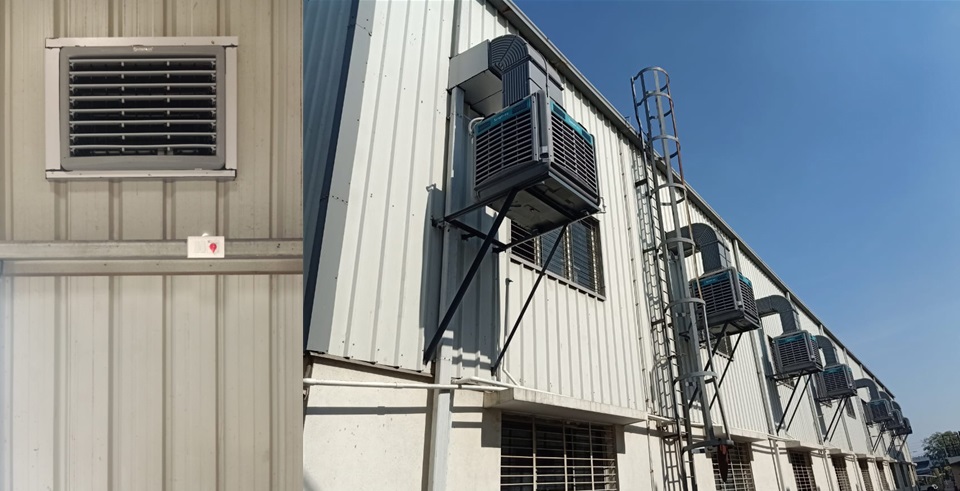




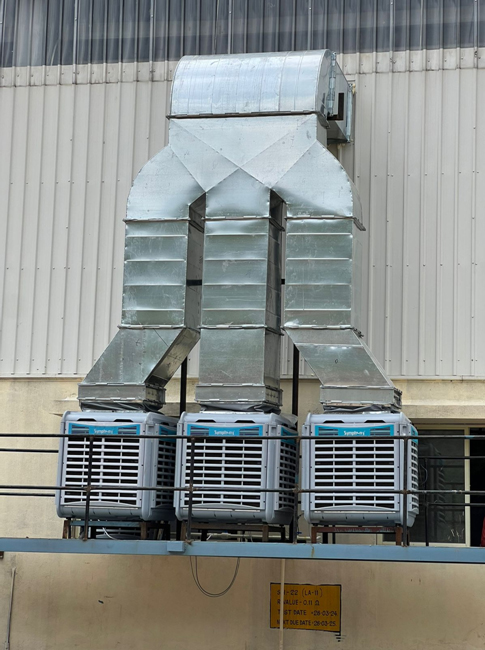
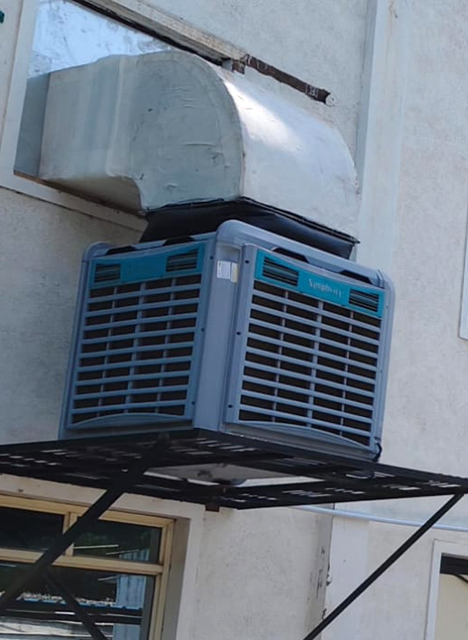

In industrial settings where harsh environments prevail – whether it’s extreme heat, high humidity, dust or chemical exposure – it’s crucial to select an industrial air cooler that can handle these challenging conditions. Understanding how to choose the right Heavy Duty Air Cooler for these environments ensures both optimal performance and long-term cost-effectiveness. This guide provides a systematic approach to choosing an Industrial Heavy Duty Air Cooler, covering key factors such as durability, performance, environmental resilience and cost.
Table of Contents
Understand the Harsh Environmental Factors
The first step in selecting a Heavy Duty Industrial Air Cooler is identifying the specific harsh conditions your cooler must endure. Industrial environments often present unique challenges that require specialized equipment.
Temperature Extremes
Industrial environments, such as factories, warehouses and outdoor sites, often experience extreme temperatures, whether heatwaves in the summer or freezing cold in the winter. This puts pressure on cooling systems to operate efficiently and reliably under challenging conditions.
- Heavy Duty Air Coolers designed for harsh temperatures need to be robust, with features that allow them to function effectively at high or low temperatures without compromising performance.
High Humidity or Dry Conditions
The climate of the environment plays a key role in selecting the correct cooler. In humid areas, standard evaporative air coolers may lose efficiency, while in dry and hot climates, Industrial Evaporative Air Coolers are an excellent choice. These coolers rely on water evaporation, which makes them more efficient in areas with low humidity levels.
- If your environment is humid, consider industrial air coolers with refrigerant-based systems to avoid reduced performance from evaporation.
- For dry environments, Industrial Evaporative Air Coolers are ideal for cooling large areas.
Dust, Debris and Pollution
In many industrial settings, dust and debris are a constant concern. These particles can clog filters, reduce cooling efficiency and lead to equipment damage. Heavy Duty Industrial Air Coolers designed for dusty environments should have high-quality filters or sealed units that prevent dust from entering the system.
- Look for Industrial Air Coolers with dust-resistant filters and durable designs to prevent wear and tear in environments with heavy dust exposure.
Assess the Required Cooling Capacity
In harsh environments, it’s essential to select a Heavy Duty Industrial Air Cooler that offers sufficient cooling capacity to match the size and thermal load of the space.
Size of the Space and CFM Rating
The cooling capacity of the cooler is typically indicated by its CFM rating (Cubic Feet per Minute), which indicates how much air the cooler can move. For larger industrial spaces, a cooler with a higher CFM rating is needed to ensure effective air distribution and temperature reduction.
- Industrial Heavy Duty Air Coolers come in various CFM ratings to cater to small, medium or large spaces. For large industrial plants or open factory floors, opt for coolers with high CFM values to ensure optimal airflow.
Performance Under High Load
Heavy-duty coolers must maintain high performance despite demanding conditions. Whether it’s extreme heat, continuous use or exposure to contaminants, the cooling solution should maintain consistent airflow and cooling power throughout its operation.
- Ensure the cooler can operate under heavy thermal loads without decreasing its cooling efficiency or failing prematurely. Symphony Coolers for Industrial applications, for instance, offer stable performance in extreme temperatures and tough industrial environments.
Durability and Resistance to Environmental Stress
The cooler’s durability and resistance to environmental stress are critical when choosing a Heavy Duty Industrial Air Cooler. Harsh environments often demand equipment that can withstand physical wear, temperature fluctuations and exposure to various elements.
Materials and Construction
Coolers made from high-quality, durable materials are more likely to last longer and perform effectively in harsh environments. Corrosion-resistant materials, weatherproof coatings and sturdy, sealed designs are essential for coolers operating in environments with humidity, dust or corrosive substances.
- Consider coolers with stainless steel or high-strength plastic bodies that are designed to resist wear and tear, especially in tough industrial environments where they are exposed to chemicals, dust and heat.
Protective Features Against Dust and Debris
Industrial spaces with heavy dust accumulation require air coolers with enhanced filtration and protective features. Coolers equipped with pre-filters, dust filters or sealed units are ideal for environments prone to contamination.
- Heavy Duty Industrial Air Coolers designed for dusty environments should have filters that can be easily cleaned or replaced, ensuring long-lasting performance.
Energy Efficiency and Long-Term Operational Costs
A Heavy Duty Air Cooler is typically an investment that should offer value for money, both in terms of upfront cost and operational expenses. Cooling systems that run continuously in harsh environments can lead to high energy bills unless properly designed for energy efficiency.
Energy Consumption and Operational Efficiency
Energy efficiency is especially critical in industrial settings, where coolers often operate around the clock. When evaluating Industrial Air Cooler Price, consider coolers with energy-saving features, such as low-power motors and high-efficiency cooling technologies.
- Symphony Coolers for Industrial, typically offer energy-efficient models that balance power consumption and performance, ensuring you don’t face high operational costs despite long usage hours.
Low Maintenance Costs
Harsh environments place a significant burden on air coolers, so selecting a unit that requires minimal maintenance is essential. Frequent maintenance can lead to increased costs over time. Choose coolers that feature easy-to-clean filters, durable components and long-lasting materials.
- An Industrial Evaporative Air Cooler with low maintenance needs can be a smart choice in terms of both energy and maintenance costs.
Installation Flexibility and Ease
The flexibility of installation is another essential consideration. In harsh environments, you may need a unit that can be quickly deployed or adapted as per the facility’s layout.
Portability vs. Fixed Units
Some Industrial Air Cooling Systems are portable and can be moved around to cool different areas, while others require permanent installation. If your facility needs flexible cooling options, a portable air cooler might be the best choice.
- Portable coolers provide flexibility, but if your cooling needs are fixed or require cooling through ducts, consider fixed industrial coolers.
Setup and Maintenance Ease
Ease of installation and maintenance should be considered to avoid downtime. Select a cooler that is easy to install and requires minimal effort for routine maintenance tasks such as cleaning filters or checking the water level (for evaporative models).
- Ensure that the chosen model comes with installation guidelines or consider professional installation if the system is more complex.
Warranty and Support
A good warranty and after-sales support are vital for ensuring that your Heavy Duty Industrial Air Cooler continues to operate efficiently over time. Harsh environments often result in higher wear and tear, making reliable customer service essential.
Warranty Coverage
Select an air cooler from a manufacturer that offers a solid warranty. Symphony Coolers offer a warranty that covers both parts and labor, providing additional peace of mind in industrial settings where breakdowns can be costly.
Conclusion
Selecting the Symphony Venticool’s – Heavy Duty Industrial Air Cooler for harsh environments is a vital decision that requires careful consideration of several factors. Whether it’s extreme heat, humidity, dust or contaminants, your cooling solution should be robust, efficient and durable enough to perform consistently under tough conditions. By focusing on cooling capacity, material durability, energy efficiency and long-term costs, you can select the ideal cooler that provides reliable performance and value.
When selecting an Industrial Air Cooler, consider solutions, which are designed specifically for demanding environments and offer a perfect balance of performance, cost and longevity.
FAQs About Heavy Duty Industrial Air Coolers
How to Choose Heavy Duty Industrial Air Coolers for Harsh Environments?
What is the cooling capacity of a Heavy Duty Industrial Air Cooler?
The cooling capacity of a Heavy Duty Industrial Air Cooler is measured in CFM (Cubic Feet per Minute). A higher CFM rating means the cooler can move more air and cool larger areas.
Can an evaporative cooler work in a humid environment?
Evaporative coolers work best in dry climates. In humid environments, refrigerant-based industrial coolers may be more effective, as evaporative coolers lose efficiency in high humidity.
How often do industrial air coolers need maintenance?
Maintenance frequency depends on the type of cooler, but typically, evaporative coolers require less maintenance compared to refrigerant-based systems. Regular cleaning of filters and checking for blockages can ensure efficient performance.
What materials are best for industrial air coolers in harsh environments?
Corrosion-resistant materials like stainless steel or high-strength plastic are ideal for coolers used in harsh environments, especially where exposure to dust, moisture or chemicals is common.
Are Symphony Coolers good for industrial use?
Yes, Symphony Coolers for Industrial applications are designed to provide high performance, energy efficiency and durability, making them ideal for use in harsh industrial environments.

Maulik Solanki is a seasoned B2B Product Marketing professional specializing in Industrial and Commercial Coolers in the LSV (Large Space Venticooling) segment. With 13+ years of experience, he drives brand building and audience engagement for Symphony’s LSV solutions through integrated offline and online strategies. Backed by an MBA in Marketing and earlier experience as a Regional Marketing Manager in banking, Maulik brings strong skills in sales, advertising, and events. He enjoys exploring new marketing ideas and cooling technologies and writes to help readers understand Symphony’s offerings.

Sourav Biswas is a senior marketing leader heading the LSV (Large Space Venticooling – B2B) marketing function at Symphony Limited. He shapes the brand’s strategic narrative, strengthens market leadership, and ensures excellence across all B2B cooling solutions. With deep expertise in Strategic Marketing, Brand Management, Advertising, and PR, he reviews content with analytical precision and alignment to Symphony’s vision. Passionate about mentoring and tracking B2B trends, Sourav ensures every content piece reflects accuracy, relevance, and strategic depth.