





Symphony Venticool

Revolutionizing Workspaces: The Cool Solution of Industrial Air Coolers
0:00 / 0:00

In today’s dynamic business landscape, the demand for effective cooling solutions in large workspaces has never been greater. Enter industrial air coolers, the innovative answer to the challenge of maintaining optimal temperatures in environments ranging from manufacturing plants to expansive warehouses. Let’s delve into the transformative capabilities of industrial air coolers and explore how they are reshaping the way we think about commercial cooling.

At the heart of industrial air coolers lies a sophisticated cooling mechanism that harnesses the power of evaporation to create a refreshing indoor environment. Unlike conventional air conditioning systems, which rely on refrigerants and extensive ductwork, industrial air coolers operate on a principle reminiscent of nature’s own cooling process. By drawing warm air through water-saturated cooling pads, industrial air coolers facilitate evaporation, resulting in a significant reduction in ambient temperatures. This natural cooling method not only ensures efficient temperature regulation but also minimizes energy consumption, making industrial air coolers a sustainable choice for businesses seeking eco-friendly cooling solutions.

Advantages of Industrial Air Coolers:

One of the standout features of industrial air coolers is their cost-effectiveness. Unlike traditional air conditioning systems, which often entail substantial upfront costs and ongoing maintenance expenses, industrial air coolers offer a more budget-friendly alternative. The initial investment required for the installation of industrial air coolers is significantly lower, while their operational costs remain modest due to their minimal energy consumption. This makes industrial air coolers an attractive option for businesses looking to lower overhead expenses without sacrificing cooling performance.

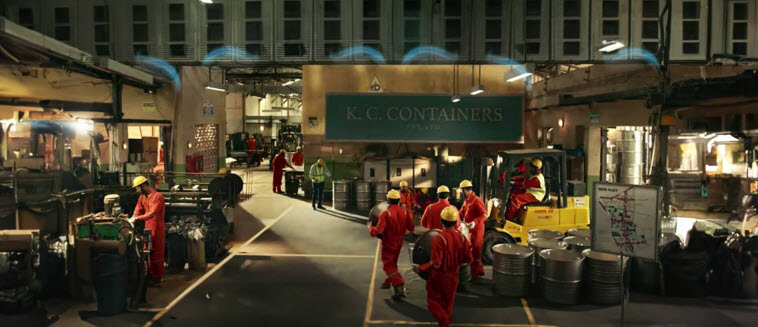
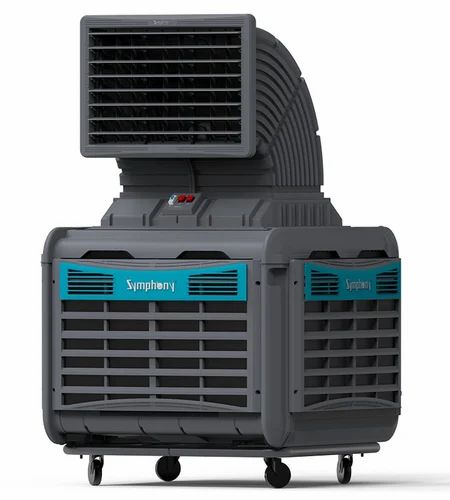
Moreover, industrial air coolers boast impressive cooling capacities, making them well-suited for cooling large, open spaces such as manufacturing facilities and warehouses. Equipped with high-powered fans and advanced cooling pads, industrial air coolers can effectively circulate chilled air across expansive areas, ensuring uniform cooling even in the most challenging environments. Their versatility extends beyond traditional indoor settings to include outdoor venues such as athletic events, where they provide much-needed relief from the heat for participants and spectators alike.

Maintenance and Operational Considerations:

Despite their formidable cooling capabilities, industrial air coolers require minimal maintenance, further enhancing their appeal as a hassle-free cooling solution. Routine maintenance tasks, such as cleaning the cooling pads and ensuring proper water circulation, can be easily managed by maintenance personnel, reducing downtime and ensuring uninterrupted operation. Additionally, industrial air coolers are designed to adapt to varying climate conditions, making them suitable for deployment in hot and dry environments where traditional cooling methods may falter.

Improving Indoor Environments:

Beyond their primary function of temperature regulation, industrial air coolers contribute to the overall quality of indoor environments by promoting air circulation and filtration. By continuously circulating fresh air and filtering out airborne particles, industrial air coolers create a healthier and more comfortable indoor atmosphere, reducing the risk of respiratory ailments and enhancing employee well-being. In workplaces where employee satisfaction and productivity are paramount, the implementation of industrial air coolers can yield tangible benefits, fostering a conducive atmosphere for optimal performance.

FAQs About Industrial Air Cooler

Revolutionizing Workspaces: The Cool Solution of Industrial Air coolers

What distinguishes industrial air coolers from traditional air conditioning systems?

Industrial air coolers operate on the principle of evaporative cooling, using water evaporation to lower temperatures, whereas traditional air conditioning systems rely on refrigerants and extensive ductwork for cooling.

How do industrial air coolers contribute to cost savings for businesses?

Industrial air coolers have lower upfront costs and minimal energy consumption compared to traditional air conditioning systems, resulting in long-term cost savings for businesses.

Are industrial air coolers suitable for all types of environments, including hot and dry climates?

Yes, industrial air coolers thrive in hot and dry climates, utilizing the dry air to facilitate rapid evaporation and maximize cooling effectiveness.

What maintenance tasks are involved in the upkeep of industrial air coolers?

Routine maintenance tasks for industrial air coolers include cleaning the cooling pads and ensuring proper water circulation, which can be easily managed by maintenance personnel.

Can industrial air coolers effectively cool large, open spaces such as warehouses and manufacturing facilities?

Yes, industrial air coolers are equipped with high-powered fans and advanced cooling pads, allowing them to circulate chilled air across expansive areas for uniform cooling.

How do industrial air coolers impact indoor air quality and employee well-being?

Industrial air coolers promote air circulation and filtration, creating a healthier and more comfortable indoor environment, which can improve employee well-being and productivity.

Are industrial air coolers easy to install and operate?

Yes, industrial air coolers are relatively easy to install and operate, requiring minimal setup and maintenance for optimal performance.

What factors should businesses consider when choosing industrial air coolers for their facilities?

Businesses should consider factors such as the size of the workspace, environmental conditions, and cooling requirements when selecting industrial air coolers for their facilities.

Can industrial air coolers be integrated with existing cooling systems or infrastructure?

Yes, industrial air coolers can be integrated with existing cooling systems or infrastructure, providing a versatile and adaptable cooling solution for businesses.

What are some best practices for maximizing the efficiency and performance of industrial air coolers?

Best practices for maximizing the efficiency and performance of industrial air coolers include regular maintenance, proper water circulation, and strategic placement to optimize airflow.

<< 1 >>


About the Author
About the Reviewer

Sourav Biswas is a senior marketing leader heading the LSV (Large Space Venticooling – B2B) marketing function at Symphony Limited. He shapes the brand’s strategic narrative, strengthens market leadership, and ensures excellence across all B2B cooling solutions. With deep expertise in Strategic Marketing, Brand Management, Advertising, and PR, he reviews content with analytical precision and alignment to Symphony’s vision. Passionate about mentoring and tracking B2B trends, Sourav ensures every content piece reflects accuracy, relevance, and strategic depth.


×
×
Index