
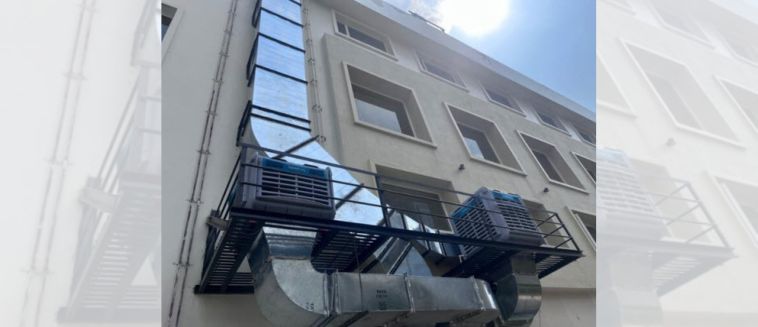




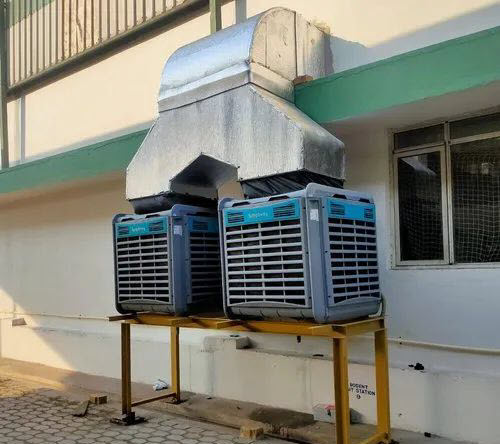

Air Handling Units (AHUs) are critical components in HVAC systems, particularly for industrial applications requiring efficient ventilation and cooling. In environments such as hospitality establishments, textile factories, and warehouses, AHUs ensure optimal air quality, temperature control, and energy efficiency. This article explores the specific applications of AHUs in these industries, highlighting their benefits and key functionalities.
Table of Contents
AHUs in the Hospitality Industry
Maintaining Comfort for Guests
Hotels, resorts, and event spaces rely on AHUs to regulate indoor climates. Key roles include:
- Temperature Control: AHUs maintain comfortable room temperatures.
- Humidity Regulation: Controlling humidity prevents dampness and mold.
- Air Filtration: Filters remove dust, allergens, and odors, ensuring clean air.
- Energy Efficiency: Modern AHUs with energy recovery systems reduce operational costs.
Enhanced Air Quality in Shared Spaces
Large shared areas like conference rooms and restaurants require advanced ventilation. AHUs provide:
- Dynamic Airflow Management: Adjusting air exchange rates based on occupancy.
- Odor Control: Removing cooking smells, smoke, and other odors.
- Noise Reduction: Proper design minimizes noise for a serene environment.
AHUs in Textile Factories
Optimizing Production Conditions
Textile manufacturing involves processes generating heat, humidity, and airborne particles. AHU address these challenges by:
- Humidity Control: Ensuring consistent moisture levels to prevent yarn breakage.
- Heat Removal: Removing cooking smells, smoke, and other odors.Cooling machinery-generated heat for a comfortable work environment.
- Dust Filtration: Specialized filters capture textile dust and lint, improving air quality.
Energy Efficiency in High-Volume Operations
- Zoning Capabilities: Targeted cooling or heating in specific zones optimizes energy use.
- Heat Recovery Systems: Recycling waste heat reduces energy consumption.
AHUs in Warehouses
Ensuring Product Preservation
Warehouses store diverse goods, each with specific environmental needs. AHUs help by Providing consistent cooling for sensitive goods, Preventing moisture accumulation and product damage, Ensuring proper air circulation in high-density storage areas.
Worker Comfort and Safety
Warehouse employees benefit from:
- Improved Air Quality: Removing dust, fumes, and pollutants.
- Thermal Comfort: Maintaining adequate cooling for better productivity.
Energy-Saving Features
- Demand-Based Ventilation: Sensors adjust airflow based on occupancy.
- Economizers: Utilizing outside air during favorable weather to reduce mechanical cooling.
Double Skin Air Handling Units (AHUs)
A Double Skin Air Handling Unit features two layers of panels separated by insulation, enhancing thermal performance and noise reduction.
Key Features and Benefits of Double Skin Air Handling Units
- Thermal Insulation: Minimizes heat transfer for energy efficiency.
- Noise Reduction: Dampens sound, ideal for noise-sensitive environments.
- Durability: Robust design withstands harsh industrial settings.
- Hygienic Design: Suitable for industries like pharmaceuticals and food processing.
Key AHU Features Supporting Industrial Applications
- Advanced Filtration Systems: Ensure clean air free from industrial pollutants.
- Modular Designs: Allow customization to meet specific needs.
- Energy Recovery Systems: Recycle heat or cooling energy.
- Integration with Building Management Systems (BMS): Enable remote monitoring and control.
- Robust Construction: Durable materials withstand harsh conditions.
FAQs - Air Handling Units (AHUs) in Venti Cooling
The Role of AHU & Double Skin Air Handling Units in Venti Cooling for Industrial Applications
What is the primary function of an AHU in industrial applications?
AHUs regulate temperature, humidity, and air quality, ensuring optimal conditions.
What is the difference between a single skin and a double skin AHU?
A single skin AHU has one panel layer, while a double skin AHU features two layers with insulation for better thermal and noise performance.
Why is humidity control important in textile factories?
It maintains fiber strength, prevents static buildup, and ensures consistent quality.
How do AHUs contribute to energy efficiency?
AHUs use energy recovery systems, demand-based ventilation, and economizers to optimize energy usage.
Can a double skin AHU be used in cleanroom environments?
Yes, due to its hygienic design, effective filtration, and strict environmental control capabilities.
Conclusion
Air Handling Units (AHUs) are indispensable in venti cooling for industrial applications, offering tailored solutions for the hospitality industry, textile factories, and warehouses. By ensuring optimal air quality, temperature regulation, and energy efficiency, AHUs enhance operational performance and comfort while supporting sustainability and cost-efficiency.

Maulik Solanki is a seasoned B2B Product Marketing professional specializing in Industrial and Commercial Coolers in the LSV (Large Space Venticooling) segment. With 13+ years of experience, he drives brand building and audience engagement for Symphony’s LSV solutions through integrated offline and online strategies. Backed by an MBA in Marketing and earlier experience as a Regional Marketing Manager in banking, Maulik brings strong skills in sales, advertising, and events. He enjoys exploring new marketing ideas and cooling technologies and writes to help readers understand Symphony’s offerings.

Sourav Biswas is a senior marketing leader heading the LSV (Large Space Venticooling – B2B) marketing function at Symphony Limited. He shapes the brand’s strategic narrative, strengthens market leadership, and ensures excellence across all B2B cooling solutions. With deep expertise in Strategic Marketing, Brand Management, Advertising, and PR, he reviews content with analytical precision and alignment to Symphony’s vision. Passionate about mentoring and tracking B2B trends, Sourav ensures every content piece reflects accuracy, relevance, and strategic depth.