
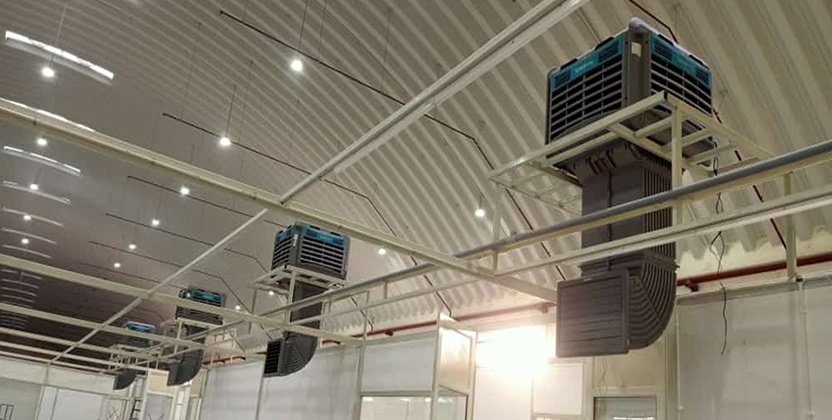





Efficient cooling and air circulation are critical in industrial environments, where maintaining optimal temperature and air quality is essential for both equipment performance and worker safety. A Double Skin Air Handling Unit plays a crucial role in industrial cooling by providing enhanced insulation, noise reduction and improved air filtration.
Unlike conventional air handling units, a Double Skin Air Handling Unit consists of two metal panels with an insulating layer. This design improves energy efficiency, durability and performance, making it an ideal solution for industries that require controlled ai
Table of Contents
Key Advantages of Double Skin Air Handling Units in Industrial Cooling
Energy Efficiency and Thermal Insulation of Double Skin Air Handling Units
A Double Skin Air Handling Unit minimizes heat transfer due to its insulated design. This leads to:
- Reduced energy consumption, as less cooling or heating is required.
- Enhanced thermal stability, maintaining consistent indoor temperatures.
- Lower operational costs, with improved energy efficiency.
This makes it an ideal choice for industries where energy savings are a priority.
Double Skin Air Handling Units Provides Noise Reduction for Industrial Spaces
Noise pollution in industrial environments can affect productivity and worker comfort. A Double Skin Air Handling Unit reduces noise levels through:
- Sound-absorbing insulation between the panels.
- Dampened vibrations, leading to quieter operation.
- Better working conditions, especially in noise-sensitive industries.
Double Skin Air Handling Units Offers Durability and Robust Construction
Industrial settings require equipment that can withstand harsh conditions. A Double Skin Air Handling Unit is built with:
- Corrosion-resistant materials, preventing rust and wear.
- Sturdy paneling, ensuring long-term performance.
- High structural strength, making it suitable for demanding environments.
Its robust construction ensures longevity, reducing the need for frequent maintenance or replacements.
Enhanced Air Filtration and Quality Control of Double Skin Air Handling Units
Airborne contaminants are a major concern in industrial facilities. A Double Skin Air Handling Unit is designed with:
- Advanced filtration systems, removing dust, fumes and pollutants.
- Multi-stage air purification, ensuring clean air circulation.
- Better indoor air quality, leading to healthier working conditions.
Industries such as pharmaceuticals, food processing and electronics manufacturing benefit greatly from this feature.
Double Skin Air Handling Units Improves Hygiene Standards
Maintaining hygienic air quality is essential for certain industries. A Double Skin Air Handling Unit supports:
- Bacteria-resistant surfaces, preventing microbial growth.
- Sealed panels, reducing air contamination.
- Compliance with strict hygiene regulations, essential for food and medical sectors.
These units help industries meet air quality standards without additional modifications.
Integration with Advanced Control Systems of Double Skin Air Handling Units
A Double Skin Air Handling Unit can be integrated with Building Management Systems, offers:
- Remote monitoring and control, allowing adjustments in real time.
- Automated airflow regulation, optimizing energy usage.
- Predictive maintenance alerts, reducing downtime.
This feature enhances operational efficiency while ensuring precise temperature and airflow management.
How Double Skin Air Handling Units Improve Air Quality in Industrial Coolers?
Maintaining high indoor air quality is essential for industrial environments where air contamination can affect both employee health and product integrity. A Double Skin Air Handling Unit plays a crucial role in improving air quality by incorporating advanced filtration systems, regulating humidity and ensuring continuous air circulation.
Multi-Stage Filtration for Maximum Air Purity
A Double Skin Air Handling Unit is equipped with multi-stage filtration systems that effectively remove contaminants before they enter the workspace. These systems include:
- Primary Filters: Capture large dust particles, fibers and debris.
- Secondary Filters: Remove finer pollutants such as mold spores and bacteria.
- HEPA (High-Efficiency Particulate Air) Filters: Trap microscopic particles as small as 0.3 microns, including allergens, viruses and harmful industrial dust.
These filtration layers ensure that only clean, purified air is circulated within the facility, significantly improving air quality and reducing the risk of airborne diseases.
Reduction of Airborne Contaminants in Industrial Workspaces
Industrial settings generate a variety of airborne pollutants, including chemical fumes, dust and microbial contaminants. A Double Skin Air Handling Unit (AHU) is designed to:
- Eliminate industrial dust particles, preventing respiratory issues.
- Reduce toxic fume concentrations, ensuring a safer working environment.
- Neutralize airborne microbes, lowering the risk of infections and workplace illnesses.
By continuously removing harmful pollutants, these units help prevent chronic respiratory problems, allergic reactions and workplace-related health issues.
Prevention of Cross-Contamination in Industrial Spaces
In industries such as pharmaceuticals and food processing, maintaining sterile conditions is critical. A Double Skin Air Handling Unit prevents cross-contamination by:
- Maintaining positive air pressure, ensuring that contaminants do not enter clean areas.
- Using high-efficiency filters, trapping airborne particles before they reach sensitive production zones.
- Providing consistent airflow, reducing stagnant air where contaminants can accumulate.
By implementing these systems, industries can meet regulatory requirements and ensure product safety.
Consistent Airflow to Eliminate Stagnant Air
Stagnant air can create pockets of high heat, contaminants and humidity. A Double Skin Air Handling Unit ensures:
- Continuous air circulation, preventing air from becoming stale.
- Proper oxygen levels, improving worker alertness and productivity.
- Even temperature distribution, reducing overheating in localized areas.
By eliminating dead air zones, these systems promote healthier and more efficient workspaces.
Conclusion
A Double Skin Air Handling Unit is a highly efficient solution for industrial cooling, offering superior thermal insulation, noise reduction and air quality management. Its robust design ensures durability in demanding environments, while advanced filtration and smart control systems optimize performance.
By selecting the right Double Skin Air Handling Unit, industries can enhance energy efficiency, improve worker safety and maintain compliance with air quality standards. Investing in a high-quality air handling system not only ensures operational excellence but also reduces long-term costs, making it a crucial asset in modern industrial cooling solutions.
FAQs - Air Handling Units (AHUs) in Venti Cooling
Double Skin Air Handling Units: Advantages in Industrial Cooling
What is a Double Skin Air Handling Unit?
A Double Skin Air Handling Unit is an advanced air handling system with two metal panels and an insulating layer in between, designed for improved thermal insulation, noise reduction and air quality control.
How does a Double Skin Air Handling Unit improve energy efficiency?
It minimizes heat transfer, reduces cooling and heating loads and lowers operational costs by maintaining consistent indoor temperatures.
What industries benefit the most from Double Skin Air Handling Units?
Industries such as pharmaceuticals, food processing, electronics manufacturing and chemical plants benefit due to their need for strict air quality control.
How does a Double Skin Air Handling Unit improve indoor air quality?
It uses multi-stage filtration, HEPA filters and advanced airflow management to remove dust, chemical fumes and airborne microbes, ensuring a cleaner workspace.
Can Double Skin Air Handling Units help reduce noise levels?
Yes, their sound-absorbing insulation and vibration-dampening design help reduce noise, making them ideal for noise-sensitive industrial environments.

Maulik Solanki is a seasoned B2B Product Marketing professional specializing in Industrial and Commercial Coolers in the LSV (Large Space Venticooling) segment. With 13+ years of experience, he drives brand building and audience engagement for Symphony’s LSV solutions through integrated offline and online strategies. Backed by an MBA in Marketing and earlier experience as a Regional Marketing Manager in banking, Maulik brings strong skills in sales, advertising, and events. He enjoys exploring new marketing ideas and cooling technologies and writes to help readers understand Symphony’s offerings.

Sourav Biswas is a senior marketing leader heading the LSV (Large Space Venticooling – B2B) marketing function at Symphony Limited. He shapes the brand’s strategic narrative, strengthens market leadership, and ensures excellence across all B2B cooling solutions. With deep expertise in Strategic Marketing, Brand Management, Advertising, and PR, he reviews content with analytical precision and alignment to Symphony’s vision. Passionate about mentoring and tracking B2B trends, Sourav ensures every content piece reflects accuracy, relevance, and strategic depth.