
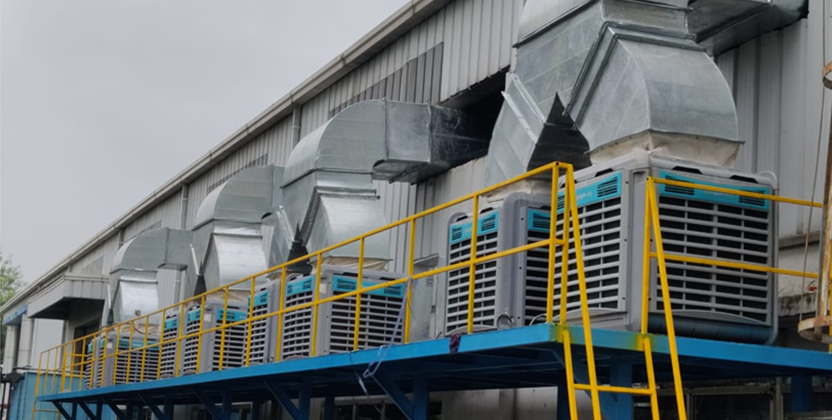




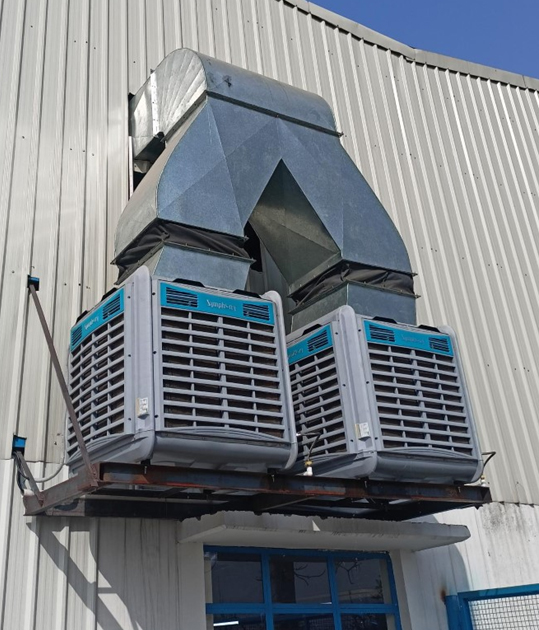
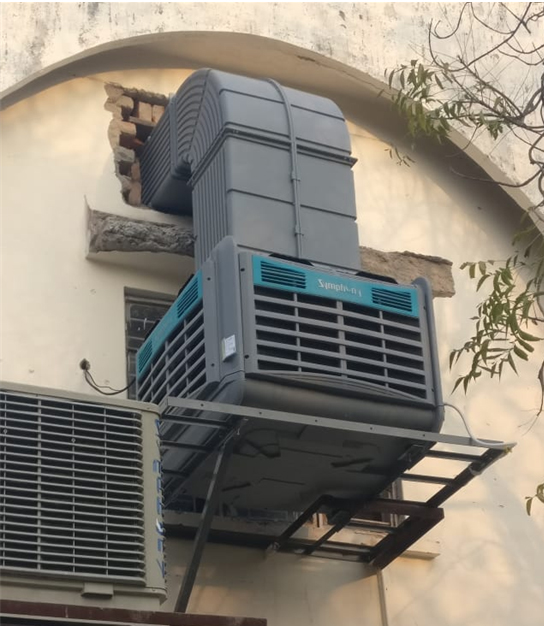
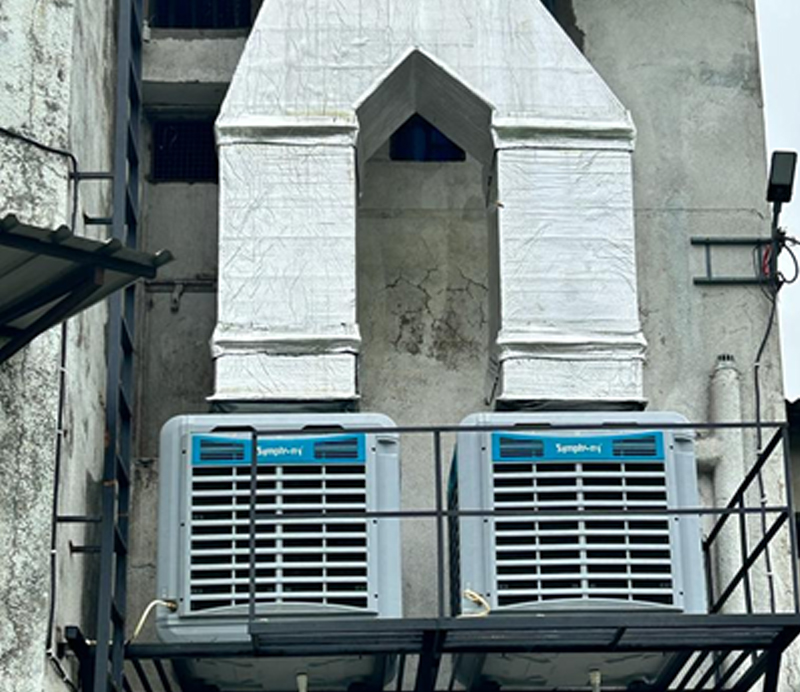

As commercial and industrial spaces look for more efficient, cost-effective and environmentally friendly cooling solutions, ducted venti-cooling systems have emerged as a popular choice. These systems, which combine the cooling capabilities of evaporative coolers with effective ventilation, provide a unique solution for large areas. Whether you are exploring a duct air cooler, understanding the key principles and functionalities of ducted systems is essential. In this guide, we will address the top 10 expert-answered questions about ducted venti-cooling, helping you navigate through the various features, benefits and considerations of this innovative technology.
Table of Contents
What are the Core Principles and Technologies behind Ducted Venti-Cooling Systems?
Ducted venti-cooling systems are designed to provide efficient cooling for large spaces by combining evaporative cooling with ventilation. These systems work by circulating air through a series of ducts that have cooled water vapor added to them. The technology behind them often includes:
- Evaporative Cooling Technology: Water evaporates into the airflow, cooling the air without dehumidifying it, which makes it energy-efficient.
- Variable Speed Motors: These motors adjust the airflow to match the cooling demand, allowing the system to consume less energy when cooling needs are lower.
- Humidity Control: Unlike conventional air conditioning that removes moisture, these systems maintain a balance, ensuring comfort without over-drying the air.
The primary difference between ducted venti-cooling and traditional HVAC systems lies in the method of cooling. While HVAC systems rely on refrigerants to cool air, ducted systems rely on evaporative methods, offering a greener and more energy-efficient solution.
What are the Primary Benefits of Using Ducted Venti-Cooling in Commercial or Industrial Buildings?
For commercial or industrial spaces, a duct cooler provides multiple benefits:
- Improved Air Distribution: The system effectively distributes cooled air throughout the space, ensuring a consistent and comfortable environment.
- Energy Efficiency: Ducted venti-cooling systems consume significantly less power than traditional air conditioning, resulting in lower energy bills.
- Cost-Effective: As they typically have lower upfront installation and maintenance costs compared to traditional HVAC, ducted systems provide better ROI in the long run.
- Occupant Comfort: The balanced temperature and humidity levels ensure optimal comfort for workers or customers in commercial or industrial settings.
By integrating cooler ventilation in a single unit, these systems create a more comfortable and environmentally friendly atmosphere.
How Do I Determine the Right Size and Capacity for a Ducted Venti-Cooling System?
Choosing the appropriate size for a ducted venti-cooling system is vital for ensuring efficiency. Key factors to consider include:
- CFM (Cubic Feet per Minute): This measures the volume of air circulated by the system. The higher the CFM, the greater the cooling capacity.
- EER (Energy Efficiency Ratio): This ratio reflects how efficiently the system uses electricity to cool. A higher EER means greater energy efficiency.
Additionally, the building’s insulation, ceiling height and solar gain should be factored in to determine the appropriate system size. Consulting Symphony Venticool, as a leading duct cooler manufacturer can provide valuable assistance in sizing the system based on your space’s specific needs.
What are the Key Considerations When Installing a Ducted Venti-Cooling System?
When installing a duct air cooler, there are several critical considerations:
- Duct Layout: The layout of the ducts must ensure uniform distribution of cooled air across the space. Improper duct design can lead to inefficiencies.
- Airflow Balance: Achieving a balanced airflow is key to ensuring that the system works optimally. Too much or too little airflow can affect system performance.
- Duct Sealing: Proper sealing is essential to prevent air leaks, which can reduce system efficiency.
- Installation Location: The system must be installed in a location that allows for proper ventilation and air distribution, particularly for systems that need to be integrated with existing HVAC.
Symphony large space venti-cooling systems offer flexible installation options, making them suitable for both new and existing buildings.
What Energy Efficiency Features Maximize Performance in Ducted Evaporative Cooling Systems?
Ducted evaporative cooling systems are designed with several energy-saving features that enhance performance and reduce operational costs. Key among them is zoning, which allows selective cooling of specific areas, minimizing energy use in unoccupied spaces. Additionally, variable speed fans automatically adjust airflow based on cooling demands, delivering only as much air as needed while conserving power. Smart thermostats and controllers further improve efficiency by enabling programmed schedules and intelligent system management, reducing unnecessary operation during off-peak hours. Together, these features make ducted evaporative systems a highly energy-efficient, cost-effective, and eco-friendly cooling solution, especially when compared to traditional refrigerant-based systems.
What Preventive Maintenance is needed in duct cooler for Optimal Performance and Air Quality?
To ensure optimal performance and air quality, regular duct cooler maintenance is crucial. Essential tasks include:
- Airflow Checks: Verify that air ducts are clear of debris and any obstructions.
- Duct Leak Detection: Identifying and sealing any leaks ensures that the system maintains its efficiency.
- Filter Maintenance: Cleaning or replacing filters at regular intervals helps maintain air quality and prevents dust and dirt buildup within the system.
- Moisture Control: Regular checks for moisture buildup prevent mold and mildew formation, which can affect both air quality and system performance.
How Can Ducted Venti-Cooling Be Integrated with Smart Building Technologies?
Integrating ducted venti-cooling systems with smart building technologies can enhance system control and monitoring:
- Automation: Automated control systems adjust the cooling based on occupancy or time of day, enhancing energy efficiency.
These integrations help businesses monitor and improve energy efficiency, offering more control over their cooling systems.
What Role Do Filtration and Air Purification Play in Venticool System Efficiency and Health?
Filtration plays an important role in both system efficiency and the health of occupants. The use of HEPA, UV and electrostatic filters can:
- Improve Air Quality: These filters remove airborne particles such as dust, pollen and pollutants, contributing to a healthier environment.
- Extend System Life: By keeping debris and dust out of the system, filters prevent wear and tear, extending the system’s lifespan.
Ensuring that your duct air cooler is equipped with high-quality filters is essential for maintaining both performance and indoor air quality.
What Are the Financial and Environmental Costs and Benefits of Installing These Systems?
While the initial installation cost of a ducted venti-cooling system may be higher than traditional air conditioning systems, the long-term financial benefits make it a worthwhile investment:
- Lower Operating Costs: Due to their energy efficiency, these systems can significantly reduce monthly energy bills.
- Quick ROI: Businesses can expect a return on investment (ROI) in as approx as 7 months, especially when using Symphony large space venti cooling, which offers quick installation and a leakproof design.
- Environmental Benefits: By using natural cooling methods, ducted cooling systems are more eco-friendly than traditional AC units, reducing overall environmental impact.
How Does Ducted Venti-Cooling Perform in Different Climatic Conditions?
Ducted venti-cooling systems are especially effective in hot, dry climates where the air has low humidity levels, as evaporative cooling works best under these conditions. In regions with moderate humidity, the systems can still provide substantial cooling and improved air circulation, but their cooling efficiency may be slightly reduced compared to arid zones. However, modern ducted venti-cooling solutions, like those from Symphony, are engineered to perform efficiently across a wide range of ambient conditions, often incorporating features like variable fan speeds, humidity optimization, and smart controls to adapt to changing weather patterns. Proper system sizing, zoning, and installation can further maximize cooling efficiency even in moderately humid environments.
Conclusion
Symphony Venticool offers Ducted Venti-Cooling systems that provides a modern and efficient solution for cooling large spaces, with numerous benefits ranging from energy efficiency to improved occupant comfort. By addressing key considerations such as system size, installation and maintenance, businesses can optimize the performance of these systems. With continued advancements in technology, such as smart integrations and energy-efficient features, ducted venti-cooling is an excellent choice for modern cooling needs.

Maulik Solanki is a seasoned B2B Product Marketing professional specializing in Industrial and Commercial Coolers in the LSV (Large Space Venticooling) segment. With 13+ years of experience, he drives brand building and audience engagement for Symphony’s LSV solutions through integrated offline and online strategies. Backed by an MBA in Marketing and earlier experience as a Regional Marketing Manager in banking, Maulik brings strong skills in sales, advertising, and events. He enjoys exploring new marketing ideas and cooling technologies and writes to help readers understand Symphony’s offerings.

Sourav Biswas is a senior marketing leader heading the LSV (Large Space Venticooling – B2B) marketing function at Symphony Limited. He shapes the brand’s strategic narrative, strengthens market leadership, and ensures excellence across all B2B cooling solutions. With deep expertise in Strategic Marketing, Brand Management, Advertising, and PR, he reviews content with analytical precision and alignment to Symphony’s vision. Passionate about mentoring and tracking B2B trends, Sourav ensures every content piece reflects accuracy, relevance, and strategic depth.