
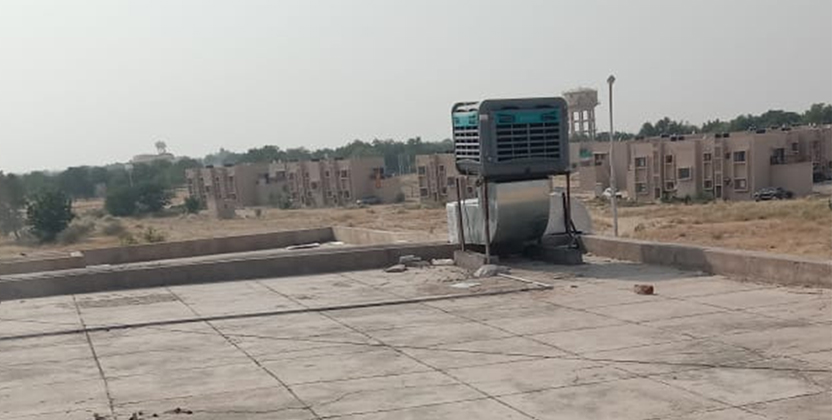





Evaporative air coolers are a popular and energy-efficient way to cool down residential, commercial, and industrial spaces. They function by utilizing water evaporation to absorb heat and cool the air, making them an ideal choice for warehouses, factories, and homes in hot and dry climates. However, like any cooling system, it is essential to maintain proper water quality to ensure the evaporative cooler operates effectively and remains hygienic.
This step-by-step guide will walk you through how to maintain water quality in evaporative air coolers, helping you to avoid costly repairs, reduce bacteria growth, and extend the life of your cooler.
Table of Contents
Importance of Water Quality in Evaporative Coolers
The primary function of an evaporative air cooling system is to cool the air by passing it over wet cooling pads, which absorb heat from the surrounding air. Water quality plays a significant role in the overall performance and hygiene of the system. Poor water quality can lead to several issues, including:
- Scale buildup: Hard water can cause mineral deposits to accumulate on the cooling pads and other internal components, reducing efficiency.
- Algae and bacteria growth: Stagnant water or contaminated water can become a breeding ground for algae and harmful bacteria, which may affect air quality.
- Corrosion: Corrosion: Impurities in the water, such as salts and minerals, can cause corrosion of metal parts inside the industrial evaporative air cooler or other types of evaporative cooling systems.
Maintaining good water quality is essential to ensure that your cooler continues to operate efficiently and safely while prolonging its lifespan.
Regularly Change the Water
One of the simplest and most effective ways to maintain water quality in an evaporative air cooler is by regularly changing the water in the tank. Over time, the water will naturally collect dust, minerals, and contaminants that can degrade its performance.
How Often Should You Change the Water?
- Residential and commercial use: If you are using an evaporative air cooler commercial in a residential or business setting, it is recommended to change the water every 1 to 2 weeks, depending on the frequency of use and the water quality in your area.
- Industrial use: For larger setups like a central evaporative cooler or industrial evaporative air cooler, where water volume is more significant, water should be changed every 4 to 6 weeks.
Steps to Change Water:
- Turn off the cooler and disconnect it from the power source.
- Drain the water from the tank, either through a drain valve or manually.
- Clean the tank with a mild detergent and a soft brush to remove any algae or sediment.
- Refill the tank with fresh, clean water.
Use the Right Type of Water
The type of water used in your air evaporative cooling system can greatly impact the water quality. In particular, hard water can cause mineral buildup and scale formation, which can clog the cooling pads and other components.
Hard vs. Soft Water:
- Hard water contains high levels of calcium, magnesium, and other minerals that can leave deposits inside the cooler. This results in reduced efficiency and potential damage to the system.
- Soft water, on the other hand, is treated to remove these minerals, making it less likely to cause scale buildup.
If your water is hard, consider using softened water in your evaporative air coolers. Alternatively, you can install a water softener to prevent scale buildup. Some people also recommend using distilled water, especially in areas where hard water is common.
Read Our Article: Evaporative Air Cooler Benefits for Industry
Clean the Cooling Pads Regularly
The cooling pads in your evaporative air cooling system play a crucial role in the cooling process. Over time, these pads can accumulate dirt, dust, and mineral deposits from the water. Cleaning them regularly ensures they continue to perform at their best.
How to Clean the Cooling Pads:
- Turn off and unplug the cooler.
- Remove the cooling pads from the system.
- Use a gentle cleaning solution of water and vinegar (or mild detergent) to scrub away dirt, dust, and mineral buildup. Avoid harsh chemicals, as they can damage the pads.
- Let the pads dry completely before reinserting them into the cooler.
When Should You Clean the Pads?
- Residential use: Clean the pads every month or two during the cooling season.
- Commercial and industrial use: For large industrial evaporative air coolers, cleaning may be required every few weeks, especially if the cooler is used continuously.
Keep the Water Tank Clean
Maintaining the cleanliness of the water tank is essential to prevent algae, bacteria, and mold growth. A dirty tank can negatively impact the quality of the air produced by your commercial evaporative air cooler, potentially leading to health issues or foul odors.
How to Clean the Water Tank:
- Turn off and unplug the cooler.
- Empty any remaining water from the tank.
- Use a mixture of warm water and a disinfectant like bleach or vinegar to scrub the inside of the tank.
- Rinse the tank thoroughly to ensure no cleaning solution residue remains.
How Often Should You Clean the Tank?
- Residential and commercial use: Clean the water tank every month or more frequently if you notice any signs of mold or algae growth.
- Industrial use: The portaFor evaporative cooling systems for warehouses or large facilities, check and clean the tank every 1 to 2 months.
- Routine Maintenance Setup: Schedule easy access for cleaning and pad replacement, typically every few months.
Use Water Treatment Solutions
Water treatment solutions are designed to maintain clean and clear water in your evaporative air coolers. These solutions help prevent the growth of bacteria, algae, and mold while reducing mineral buildup.
Types of Water Treatment Products:
- Biocides: These chemicals prevent the growth of bacteria, algae, and mold in the water tank and cooling pads. They are particularly useful for large industrial evaporative air coolers where the water may sit for extended periods.
- Scale inhibitors: These products reduce the mineral buildup that can clog cooling pads and internal components. They help prevent the formation of limescale and mineral deposits in your air evaporative cooling system.
- Water softeners: As mentioned earlier, if your area has hard water, installing a water softener can significantly improve water quality and reduce the risk of scale buildup in your evaporative cooler ventilation system.
Be sure to follow the manufacturer’s instructions when using these water treatment products to ensure effective water quality maintenance.
Monitor and Adjust Water Levels
Proper water levels are crucial for the performance of your evaporative air cooling system. If the water level is too low, the system will not be able to cool the air efficiently. If the water level is too high, it may lead to overflow or excessive water waste.
How to Check and Adjust Water Levels:
- Check the water level in the tank regularly (at least once a week).
- If the water level is low, refill it to the recommended level.
- Ensure that the water is not overfilled, as it could cause damage or leakage.
Some commercial evaporative coolers come with built-in water level indicators or automatic water-fill systems that make monitoring easier.
Conclusion
Maintaining good water quality in your evaporative air cooler is essential for ensuring optimal performance, prolonging the system’s lifespan, and promoting a healthy environment. By regularly changing the water, using soft or treated water, cleaning the cooling pads and tank, and using water treatment solutions, you can significantly improve the efficiency of your evaporative cooling system while keeping your cooler free from contaminants.
In commercial and industrial settings, regular maintenance becomes even more critical to ensure that large industrial evaporative air coolers continue to operate smoothly. By following these simple steps, you can enjoy a more efficient, longer-lasting, and hygienic air cooling system.

Maulik Solanki is a seasoned B2B Product Marketing professional specializing in Industrial and Commercial Coolers in the LSV (Large Space Venticooling) segment. With 13+ years of experience, he drives brand building and audience engagement for Symphony’s LSV solutions through integrated offline and online strategies. Backed by an MBA in Marketing and earlier experience as a Regional Marketing Manager in banking, Maulik brings strong skills in sales, advertising, and events. He enjoys exploring new marketing ideas and cooling technologies and writes to help readers understand Symphony’s offerings.
Sourav Biswas is a senior marketing leader heading the LSV (Large Space Venticooling – B2B) marketing function at Symphony Limited. He shapes the brand’s strategic narrative, strengthens market leadership, and ensures excellence across all B2B cooling solutions. With deep expertise in Strategic Marketing, Brand Management, Advertising, and PR, he reviews content with analytical precision and alignment to Symphony’s vision. Passionate about mentoring and tracking B2B trends, Sourav ensures every content piece reflects accuracy, relevance, and strategic depth.