






Temperature in the workplace is more than just a comfort issue—it is a critical factor in employee mental performance, focus, and job satisfaction. Studies indicate that prolonged exposure to high temperatures can impair cognitive abilities, increase stress, and lower workplace morale.
This article explores the scientific relationship between workplace heat and mental performance, the consequences of extreme temperatures, and practical ways to create an optimal thermal environment for workers.
Table of Contents
The Science behind Temperature and Cognitive Performance
The human brain functions optimally within a narrow temperature range, typically between 20°C to 24°C. When the environment exceeds 26°C, cognitive functions start to decline, and at 35°C or above, mental accuracy and decision-making abilities are significantly impaired.
Impact of Heat on Mental Abilities
Reduced Focus and Concentration
- Heat stress leads to fatigue, making it difficult to stay alert.
- Tasks requiring sustained attention, like machine operation or quality control, become prone to errors.
Slower Decision-Making
- The brain struggles to process information efficiently at high temperatures.
- Critical thinking declines, leading to poor workplace decisions.
Memory Impairment
- Excessive heat affects short-term memory, making it harder to retain and recall important information.
Increased Stress and Anxiety
- High temperatures elevate stress levels, triggering irritability and frustration among employees.
Reduced Multi-Tasking Ability
- Complex tasks that require simultaneous attention suffer under heat stress.
The Psychological Effects of High Workplace Temperatures
- Beyond cognitive impairment, temperature directly influences workplace psychology, affecting employee motivation, mood, and job satisfaction.
Job Satisfaction Declines in Uncomfortable Work Environments
- Employees in hot workplaces report higher dissatisfaction rates due to discomfort.
- Low morale leads to reduced engagement, making employees feel undervalued.
Heat Increases Workplace Conflict and Stress
- Rising temperatures create tension among employees, leading to more disputes and irritability.
- Stress-induced environments contribute to higher absenteeism and turnover rates.
High Temperatures Contribute to Mental Fatigue
- Workers feel exhausted faster, resulting in lower productivity.
- Burnout risk increases, affecting long-term job retention.
Lack of Thermal Comfort Reduces Commitment to Work
- Employees in temperature-controlled environments show higher loyalty and dedication to their roles.
- Comfort directly correlates with workplace engagement and efficiency.
How to Optimize Workplace Temperature for Mental Performance?
Employers must prioritize thermal comfort to improve mental performance and job satisfaction. Here are proven strategies to mitigate heat-related productivity losses.
Implement Effective Air Cooling Systems
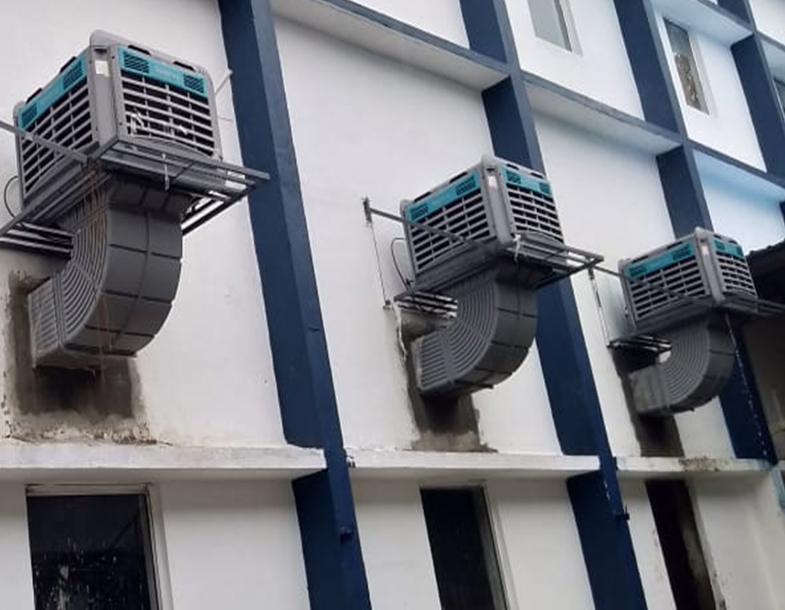
- Industrial air coolers are cost-effective, energy-efficient, and better suited for open industrial spaces.
- Unlike air conditioning, air coolers do not recirculate stale air, ensuring fresh airflow.
Maintain an Optimal Temperature Range
- Set workplace temperatures between 20°C to 24°C for maximum cognitive function.
- Avoid exceeding 26°C, as studies indicate a decline in productivity and mental alertness.
Improve Workplace Ventilation
- Cross-ventilation and exhaust fans help reduce heat accumulation.
- Natural air circulation prevents oxygen depletion, reducing mental fatigue.
Hydration and Cooling Breaks
- Dehydration worsens heat stress, affecting concentration and decision-making.
- Employers should provide hydration stations and encourage regular cooling breaks.
Encourage Proper Work Attire
- Lightweight, breathable fabrics help regulate body temperature.
- Employers should allow flexible dress codes suited for the climate.
Adjust Work Schedules to Reduce Heat Exposure
- Avoid strenuous tasks during peak heat hours.
- Shift scheduling adjustments can reduce exposure to extreme temperatures.
Monitor Employee Well-being
- Conduct heat stress training to educate workers on recognizing early signs of heat-related issues.
- Implement workplace wellness programs to support mental and physical health.
Key Takeaways
- Workplace temperature directly impacts cognitive function, decision-making, and job satisfaction.
- Temperatures above 26°C reduce mental accuracy and focus.
- High heat levels cause stress, irritability, and workplace conflicts.
- Industrial air cooling is an effective and sustainable solution.
- Hydration, ventilation, and proper scheduling help combat heat stress.
FAQs on - Air Cooling Systems
The Psychological Effects of Workplace Temperature: How Heat Impacts Mental Performance and Job Satisfaction
What is the ideal workplace temperature for productivity?
The optimal range is 20°C to 24°C. Temperatures above 26°C can reduce focus and efficiency.
How does workplace heat affect employee satisfaction?
Excessive heat causes discomfort, stress, and lower morale, leading to increased turnover rates.
Can air cooling improve mental performance in the workplace?
Yes. Air coolers provide fresh, filtered air, improving oxygen levels and reducing mental fatigue.
How does heat impact decision-making at work?
High temperatures slow reaction times and impair judgment, leading to suboptimal workplace decisions.
What industries are most affected by heat stress?
Sectors such as manufacturing, warehouses, construction, and textiles are highly vulnerable to heat-related productivity losses.

Maulik Solanki is a seasoned B2B Product Marketing professional specializing in Industrial and Commercial Coolers in the LSV (Large Space Venticooling) segment. With 13+ years of experience, he drives brand building and audience engagement for Symphony’s LSV solutions through integrated offline and online strategies. Backed by an MBA in Marketing and earlier experience as a Regional Marketing Manager in banking, Maulik brings strong skills in sales, advertising, and events. He enjoys exploring new marketing ideas and cooling technologies and writes to help readers understand Symphony’s offerings.

Sourav Biswas is a senior marketing leader heading the LSV (Large Space Venticooling – B2B) marketing function at Symphony Limited. He shapes the brand’s strategic narrative, strengthens market leadership, and ensures excellence across all B2B cooling solutions. With deep expertise in Strategic Marketing, Brand Management, Advertising, and PR, he reviews content with analytical precision and alignment to Symphony’s vision. Passionate about mentoring and tracking B2B trends, Sourav ensures every content piece reflects accuracy, relevance, and strategic depth.