
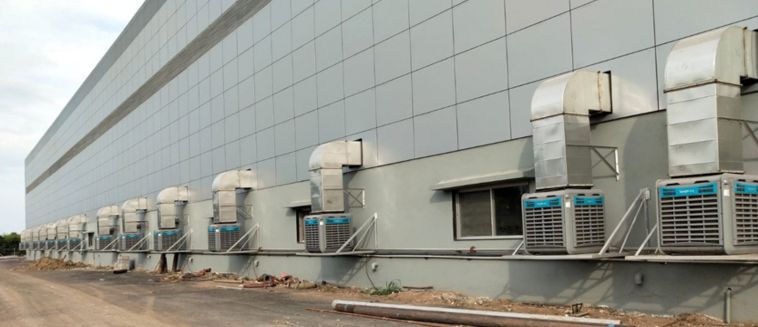




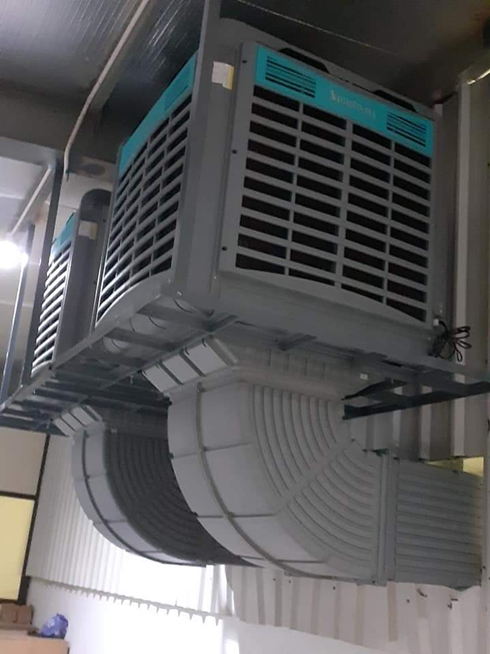

Industrial manufacturing plants are at the core of global production, generating goods that sustain economies. However, maintaining a stable environment in these facilities can be challenging due to the high heat generated by machinery, processes and human activity. Effective cooling solutions, such as venti-cooling, are essential to manage heat and improve productivity. In this article, we’ll explore how venti-cooling benefits industrial plants and why it is becoming a go-to solution for industrial cooling systems?
Table of Contents
Venti-Cooling: Overview
Venti-cooling is a highly efficient cooling technology that uses the principles of evaporative cooling. By drawing in warm air and passing it over water-soaked pads, it reduces the air temperature and circulates cool air throughout a space. This method is energy-efficient, eco-friendly and cost-effective, making it a practical solution for industrial environments.
The Importance of Industrial Cooling in Manufacturing Plants
Manufacturing plants generate significant heat due to machinery, heavy equipment and production processes. Without effective cooling, this heat can cause multiple challenges:
- Decreased Worker Productivity: High temperatures lead to discomfort and fatigue, reducing efficiency.
- Equipment Overheating: Machinery can malfunction or sustain damage due to excessive heat.
- Compromised Product Quality: Many industrial processes rely on stable temperatures for optimal results.
- Increased Energy Costs: Without efficient cooling, energy consumption skyrockets, increasing operational expenses.
Industrial cooling solutions, like venti-cooling systems, address these issues, ensuring the plant operates efficiently and safely.
Key Benefits of Venti-Cooling for Industrial Plants
Enhanced Energy Efficiency
Venti-cooling systems are designed to use significantly less electricity compared to traditional cooling systems. They consume up to 90% less energy, making them a sustainable choice for large-scale manufacturing facilities.
Reduced Operational Costs
With lower energy consumption, manufacturing plants can drastically reduce their operational expenses. Venti-cooling also requires minimal maintenance, further cutting down costs.
Improved Air Quality
Unlike conventional cooling systems that recycle indoor air, venti-cooling introduces fresh, filtered air into the facility. This improves the overall air quality and creates a healthier environment for workers.
Optimal Worker Comfort
Maintaining a consistent and comfortable temperature improves worker morale, focus and productivity. Employees in well-ventilated spaces are less prone to heat-related illnesses and fatigue.
Environmentally Friendly
Venti-cooling systems use natural evaporation to cool air, making them eco-friendly. They emit no harmful gases, consume less energy and reduce the carbon footprint of manufacturing plants.
Adaptable to Large Spaces
Industrial manufacturing plants often encompass vast areas. Venti-cooling systems are modular and can efficiently cover large or open spaces, ensuring uniform cooling throughout the facility.
Applications of Venti-Cooling in Different Industries
Textile Manufacturing
In textile mills, where machinery runs continuously, heat buildup is inevitable. Venti-cooling systems regulate temperatures to ensure smooth operation and protect sensitive materials.
Food Processing
Food production requires strict temperature control to preserve freshness and quality. Venti-cooling systems maintain optimal conditions while ensuring hygiene.
Automotive Industry
Automotive manufacturing involves processes like welding and assembly, which generate substantial heat. Venti-cooling minimizes temperature fluctuations and safeguards workers and equipment.
Chemical Plants
Chemical manufacturing is heat-intensive and demands effective cooling to prevent chemical reactions caused by excessive temperatures.
Warehousing
In large warehouses storing temperature-sensitive goods, venti-cooling ensures products remain in optimal condition, reducing spoilage and waste.
Symphony Industrial Cooling Systems for Manufacturing Plants
Gujarat Guardian
Gujarat Guardian implemented Symphony industrial cooling units to combat excessive heat in their facility. These units provided consistent cooling, improved air circulation and reduced energy consumption, creating a better work environment.
Bhakti Polymers
Bhakti Polymers required a reliable cooling system to maintain ambient conditions critical for their machinery and workforce. Symphony’s industrial cooling systems ensured smooth operations and enhanced comfort for workers.
Aditya Birla Power
At Aditya Birla Power, Symphony’s industrial cooling solutions were installed to cool large open factory spaces efficiently. These systems reduced energy costs while maintaining optimal temperatures for employees and equipment.
Choosing the Right Industrial Cooling Units
When selecting an industrial cooling solution for a manufacturing plant, consider the following factors:
- Space Requirements: Analyze the size and layout of the facility to determine the number and capacity of cooling units needed.
- Cooling Needs: Understand the specific temperature requirements of your operations.
- Energy Efficiency: Many industrial processes rely on stable temperatures for optimal results.Opt for systems with lower power consumption to reduce long-term costs.
- Durability: Ensure the cooling system is designed to withstand harsh industrial conditions.
- Maintenance Requirements: Choose systems with minimal maintenance needs to avoid frequent downtime.
How Venti-Cooling Differs from Traditional HVAC Systems?
Venti-cooling offers several advantages over conventional HVAC systems:
| Feature | Venti-Cooling | Traditional HVAC Systems |
| Air Circulation | Fresh air supply | Recycled air |
| Installation Cost | Affordable | Expensive |
| Operational Costs | Minimal | High |
| Environmental Impact | Low | Significant |
These differences make venti-cooling a preferred choice for industries seeking sustainable cooling solutions.
Why Symphony Stands Out in Industrial Cooling?
Symphony is a global leader in providing advanced industrial cooling systems. Here’s why their solutions are trusted:
- Innovative Technology: Symphony incorporates cutting-edge evaporative cooling technology to deliver high performance.
- Eco-Friendly Approach: Their systems use water-based cooling, which is safe for the environment.
- Wide Range of Solutions: From compact units to large-scale cooling systems, Symphony caters to diverse industrial needs.
- Proven Track Record: Trusted by major companies across industries, Symphony cooling units are known for their reliability and efficiency.
Optimizing Your Industrial Cooling Strategy
To maximize the benefits of venti-cooling, implement these strategies:
- Proper Installation: Ensure cooling units are installed in strategic locations for even air distribution.
- Regular Maintenance: Their systems use water-based cooling, which is saPeriodically clean cooling pads and check for any system malfunctions to maintain efficiency.fe for the environment.
- Temperature Monitoring: Use sensors to monitor and adjust temperatures based on real-time data.
- Training: Educate staff on operating and maintaining the cooling system to ensure optimal performance.
Conclusion
Venti-cooling is revolutionizing the way industrial manufacturing plants manage their cooling needs. With benefits like energy efficiency, cost-effectiveness and improved air quality, it offers a sustainable alternative to traditional cooling systems. Symphony’s industrial cooling solutions stand out for their innovative design, adaptability and reliability, making them a top choice for industries worldwide. By investing in venti-cooling, manufacturing plants can create a productive, comfortable and eco-friendly environment.
FAQs - Venti-Cooling
How Symphony Venti-Cooling Benefits Industrial Manufacturing Plant?
What is the main advantage of venti-cooling in industrial plants?
Venti-cooling is highly energy-efficient, consuming up to 90% less power than traditional systems, making it cost-effective and environmentally friendly.
How does venti-cooling improve air quality?
Venti-cooling introduces fresh, filtered air into the facility, reducing dust, pollutants andodors.
Can venti-cooling systems handle large spaces?
Are Symphony cooling systems suitable for all industries?
Symphony offers a wide range of cooling solutions tailored to industries like textiles, food processing and automotive manufacturing.
What maintenance is required for venti-cooling systems?
Regular cleaning of cooling pads and checking for mechanical issues are the primary maintenance requirements for venti-cooling systems.
How does venti-cooling contribute to sustainability?
Venti-cooling uses water-based evaporation to cool air, reducing energy consumption and minimizing environmental impact.

Maulik Solanki is a seasoned B2B Product Marketing professional specializing in Industrial and Commercial Coolers in the LSV (Large Space Venticooling) segment. With 13+ years of experience, he drives brand building and audience engagement for Symphony’s LSV solutions through integrated offline and online strategies. Backed by an MBA in Marketing and earlier experience as a Regional Marketing Manager in banking, Maulik brings strong skills in sales, advertising, and events. He enjoys exploring new marketing ideas and cooling technologies and writes to help readers understand Symphony’s offerings.

Sourav Biswas is a senior marketing leader heading the LSV (Large Space Venticooling – B2B) marketing function at Symphony Limited. He shapes the brand’s strategic narrative, strengthens market leadership, and ensures excellence across all B2B cooling solutions. With deep expertise in Strategic Marketing, Brand Management, Advertising, and PR, he reviews content with analytical precision and alignment to Symphony’s vision. Passionate about mentoring and tracking B2B trends, Sourav ensures every content piece reflects accuracy, relevance, and strategic depth.