





Industrial cooling systems are essential for maintaining optimal operational temperatures, preventing overheating and ensuring the smooth functioning of equipment in a variety of industrial environments. Whether for large-scale manufacturing plants or smaller production units, businesses must make the decision between centralized and decentralized industrial cooling systems. This decision depends on several factors including the size of the facility, energy efficiency, operational flexibility and cooling requirements.
In this guide, we will explore the differences between centralized and decentralized industrial cooling systems, detailing the factors you need to consider when choosing between the two. Additionally, we will provide a final recommendation based on specific business needs and operational characteristics.
Table of Contents
Centralized Industrial Cooling Systems
Centralized cooling systems are characterized by a single, large unit responsible for providing cooling to the entire facility. This system uses a network of ducts, pipes or refrigerant lines to distribute cool air or fluids throughout the building or multiple areas within a plant.
Cooling Capacity and Distribution Efficiency
Centralized systems are designed for large-scale operations that require consistent cooling across the entire facility. The cooling capacity is higher and is distributed uniformly across the space. These systems are ideal for industries with consistent heat loads, such as large warehouses or factories where uniform cooling is needed for both machinery and processes.
How it Solves the Challenge?
A centralized industrial cooling system solves the challenge of maintaining consistent temperature control across large areas. It ensures uniform cooling, minimizing temperature fluctuations that could affect production and machinery efficiency.
Operational Complexity and Maintenance Needs
One of the defining features of a centralized system is its complexity. A centralized system requires an infrastructure of ducts and piping to distribute cooling throughout the facility. The central unit must be regularly maintained by specialized technicians and any malfunction in this system can disrupt cooling throughout the entire facility.
While maintenance is typically less frequent compared to decentralized systems, the risk of widespread system failure is higher. Businesses must ensure that they have reliable backup plans in place to manage downtime.
How it Solves the Challenge?
By consolidating maintenance to a single unit, centralized systems reduce the complexity of managing multiple smaller units. This reduces the number of maintenance tasks compared to a decentralized system, but risks can arise if the central unit experiences a failure.
Space Requirements and Layout Flexibility
Centralized cooling systems require significant space to house the main cooling unit and to route ductwork or pipes. For large industrial spaces with ample room for equipment installation, this system can be ideal. However, businesses with limited space or irregular layouts may find it difficult to implement a centralized system, as it requires designated areas for the central unit and the distribution network.
How it Solves the Challenge?
Centralized systems work best in facilities where there is sufficient space for installing large equipment and organizing the network of ducts and pipes. They simplify the cooling process in large, open areas with uniform temperature needs.
Energy Efficiency and Operational Costs
In terms of energy efficiency, centralized systems tend to perform best in large facilities with consistent cooling needs. They are able to maintain a higher cooling capacity while reducing energy waste, as they operate through a single, optimized system. However, for smaller operations, the system may be inefficient as it could lead to energy waste by cooling spaces that do not need it.
How it Solves the Challenge?
In large industrial operations, centralized systems offer energy efficiency by cooling large areas with one system. However, businesses with smaller or segmented operations may experience higher energy costs with a centralized system.
Scalability and Expansion
Centralized systems are designed to be scalable to accommodate business growth. As the facility expands, additional cooling capacity can be added by upgrading the central unit or extending the distribution system. However, scaling a centralized system requires a significant investment in infrastructure and space.
How it Solves the Challenge?
For businesses anticipating future growth, centralized systems allow for expansion in a controlled and scalable manner, though the process may require substantial capital.
Decentralized Industrial Cooling Systems
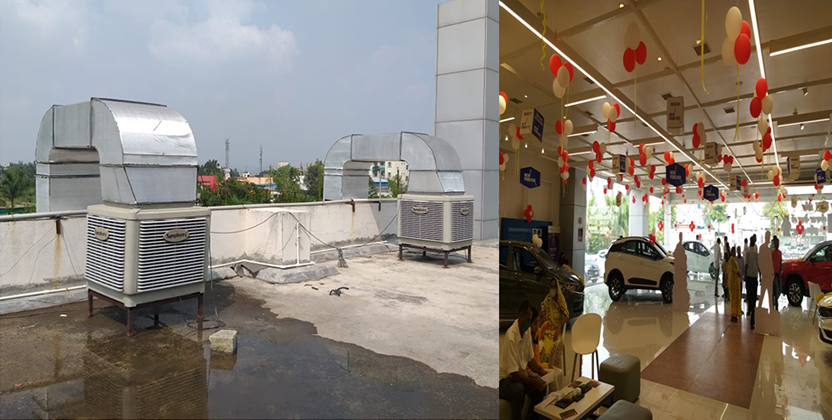
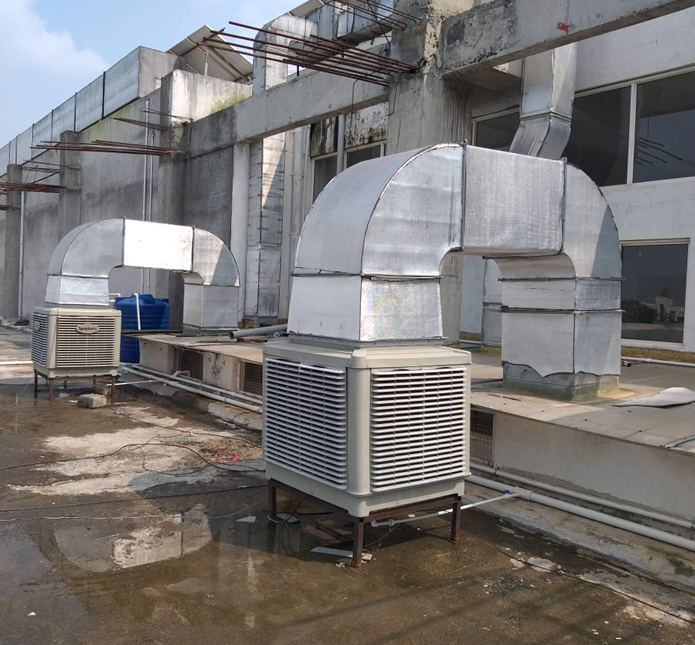
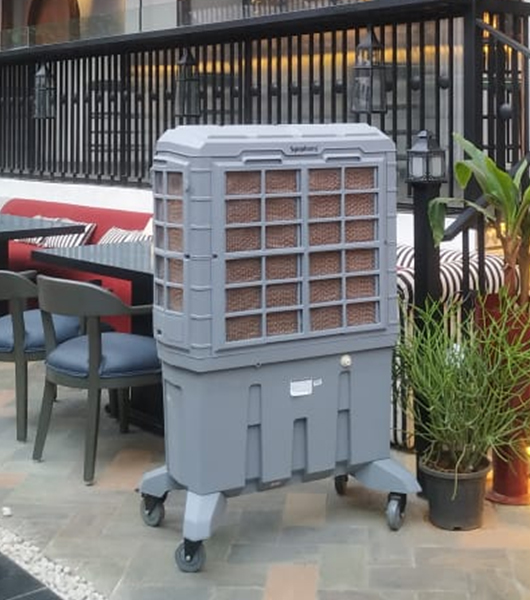
Decentralized cooling systems use smaller, independent units placed throughout the facility. These units operate autonomously, cooling specific zones or areas based on their unique cooling needs.
Cooling Capacity and Distribution Efficiency
In a decentralized system, each unit is tailored to the cooling needs of specific areas. This makes them ideal for facilities where heat loads vary from one area to another. For example, some manufacturing areas may generate more heat due to specific processes, while other areas may have minimal cooling needs. Symphony industrial cooling units are a popular choice in decentralized systems, offering targeted cooling where it’s most needed.
How it Solves the Challenge?
By distributing cooling across smaller, independent units, decentralized systems can address the challenge of non-uniform cooling in facilities with diverse needs. They offer flexibility by cooling areas selectively, ensuring energy is used only where it’s necessary, thus optimizing energy consumption and operational costs.
Operational Complexity and Maintenance Needs
Decentralized cooling systems are typically easier to maintain compared to centralized systems. Since each unit operates independently, if one unit requires servicing, the other units continue to operate without disruption. The main maintenance requirement is to ensure the proper functioning of each unit, which can be handled in a more localized and flexible manner.
How it Solves the Challenge?
For businesses that need reliability and lower risks of system-wide failures, decentralized systems offer an advantage, as maintenance can be performed without affecting the overall facility’s operations. Smaller, localized repairs mean less downtime and reduced operational risks.
Space Requirements and Layout Flexibility
Decentralized systems are highly flexible in terms of space usage. Since individual units are distributed throughout the facility, businesses can place them where they are most needed. This is particularly advantageous in facilities with limited space or irregular layouts. The decentralized approach eliminates the need for large central equipment and allows businesses to maximize their usable space.
How it Solves the Challenge?
For businesses with space constraints or complex layouts, decentralized systems provide flexibility by allowing units to be installed wherever necessary, ensuring optimal cooling without taking up extensive floor space.
Energy Efficiency and Operational Costs
Decentralized systems allow for targeted cooling, meaning that energy is only consumed in areas that need it. This can result in substantial energy savings, especially in smaller operations or facilities with varying cooling demands across different zones. Although individual units might consume more energy when running simultaneously, businesses can manage their energy use more efficiently by adjusting the cooling based on the demand in each area. The industrial cooler price for decentralized systems can also be more affordable for small to medium operations.
How it Solves the Challenge?
Decentralized cooling systems reduce energy waste by targeting cooling to specific areas, providing businesses with a more cost-effective solution, particularly for smaller or dynamic operations that need to control energy consumption.
Scalability and Expansion
Scalability is a strong point for decentralized systems. As your business grows, additional units can be added easily without major infrastructural changes. Since each unit is independent, scaling the system is less expensive and less complex compared to expanding a centralized system.
How it Solves the Challenge?
For businesses expecting gradual growth, decentralized systems offer a scalable solution that allows for incremental expansion without major capital investments or complex planning.
Which System to Choose Based on Desired Factors?
Choosing between a centralized and decentralized industrial cooling system depends on the specific needs of your business. Here’s a quick guide based on common decision-making factors:
-
For Large-Scale, Uniform Cooling Needs:
If your business operates in a large facility with uniform temperature requirements, such as a manufacturing plant with continuous production processes, a centralized system is likely the best choice. It provides a streamlined solution for high-capacity cooling across an extensive area. -
For Smaller Operations or Areas with Varying Cooling Needs:
If your facility has smaller spaces, varying cooling needs across different zones or you face space constraints, a decentralized system may be more suitable. These systems offer flexibility and better control over energy consumption, as you can cool only the areas that need it. -
For Operations with Expansion Plans:
If you are operating a larger business that plans to expand significantly, centralized systems offer scalability at a higher initial cost. However, decentralized systems provide easier scalability and flexibility, allowing for incremental growth without a large upfront investment. -
For Maintenance and Flexibility:
If you require flexible maintenance schedules and want to reduce the risk of large-scale downtime, decentralized systems allow for easier management of cooling units, with less risk of operational disruption.
Conclusion
Both centralized and decentralized industrial cooling systems have distinct advantages depending on your facility’s size, cooling needs and operational goals. Centralized systems are best suited for large-scale, uniform cooling in expansive facilities, while decentralized systems offer flexibility, energy efficiency and easier maintenance for smaller or more dynamic environments. By considering factors like space, energy efficiency and future scalability, you can make the most informed choice for your industrial cooling solution.
FAQs About Industrial Cooling Solution
How to Choose Between Centralized and Decentralized Industrial Cooling Systems?
Which system is more energy-efficient, centralized or decentralized?
Decentralized systems are more energy-efficient for smaller facilities or areas with varied cooling needs. They allow for targeted cooling, reducing energy waste by only cooling necessary areas. Centralized systems may offer better energy efficiency for large operations with consistent cooling demands.
What are the maintenance requirements for centralized cooling systems?
Centralized systems require maintenance for the main unit and its associated infrastructure, such as ducts and pipes. Maintenance is typically handled by specialized technicians and downtime can impact the entire facility if there is a failure.
Can a decentralized cooling system be expanded easily?
Yes, decentralized systems are easy to scale. New units can be added as needed without significant infrastructure changes, making them ideal for growing businesses.
Which system is better for a business with limited space?
Decentralized systems are generally better suited for businesses with space constraints, as they allow for smaller units to be distributed across the facility, reducing the need for large central units and complicated ductwork.
Can a centralized system be more cost-effective in the long term?
Centralized systems can be more cost-effective for large operations, as they typically offer lower energy costs and simplified maintenance when scaled properly. However, they may not be efficient for smaller operations.

Maulik Solanki is a seasoned B2B Product Marketing professional specializing in Industrial and Commercial Coolers in the LSV (Large Space Venticooling) segment. With 13+ years of experience, he drives brand building and audience engagement for Symphony’s LSV solutions through integrated offline and online strategies. Backed by an MBA in Marketing and earlier experience as a Regional Marketing Manager in banking, Maulik brings strong skills in sales, advertising, and events. He enjoys exploring new marketing ideas and cooling technologies and writes to help readers understand Symphony’s offerings.

Sourav Biswas is a senior marketing leader heading the LSV (Large Space Venticooling – B2B) marketing function at Symphony Limited. He shapes the brand’s strategic narrative, strengthens market leadership, and ensures excellence across all B2B cooling solutions. With deep expertise in Strategic Marketing, Brand Management, Advertising, and PR, he reviews content with analytical precision and alignment to Symphony’s vision. Passionate about mentoring and tracking B2B trends, Sourav ensures every content piece reflects accuracy, relevance, and strategic depth.