





Kolkata, one of India’s oldest and most industrially diverse cities, is home to thriving sectors such as textiles, jute, tea processing, leather and printing. Despite its economic significance, the city’s manufacturing units face a constant operational hurdle-excessive indoor heat. Combined with Kolkata’s naturally humid subtropical climate, the heat generated from machines and densely packed setups creates challenging conditions for both workers and equipment.
Many industrial facilities in Kolkata operate in poorly ventilated environments with high thermal loads, leading to discomfort, reduced productivity and potential damage to materials. To address these concerns, businesses are increasingly turning to industrial cooling systems as a practical and efficient solution.
This guide explores how various industries in Kolkata are using cooling systems to solve heat-related challenges and improve operational efficiency.
Table of Contents
Industrial Cooling in the Jute and Textile Sector
Kolkata is widely known for its jute production. The jute processing cycle-spinning, weaving and finishing-releases significant heat and moisture into workspaces.
Challenges:
- High-speed looms generate substantial heat.
- Jute fibers absorb moisture, affecting air quality.
- Workers experience fatigue, reducing shift efficiency.
Cooling Solution:
Industrial air coolers are used to distribute cool air evenly across large weaving sheds. This helps regulate temperature over machinery-intensive zones, protecting jute fiber quality while maintaining better working conditions and smoother operations.
Maintaining Stability in Tea Processing and Packaging
Tea processing is another key industry in Kolkata that requires precise environmental control during stages such as drying, sorting and packing.
Challenges:
- Excess heat affects the flavor and aroma of tea.
- Packaging areas become uncomfortable due to steam buildup.
- Humidity fluctuations impact product shelf life.
Cooling Solution:
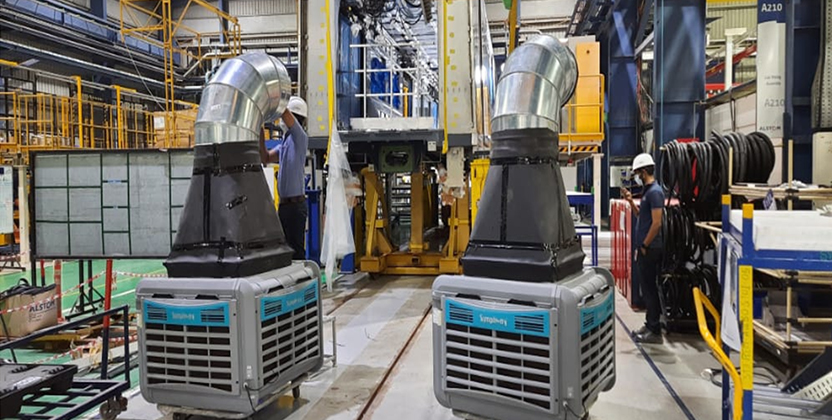
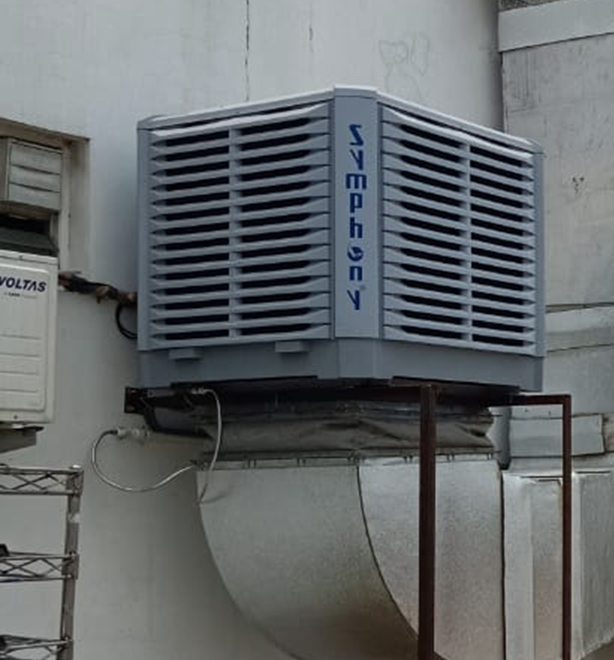
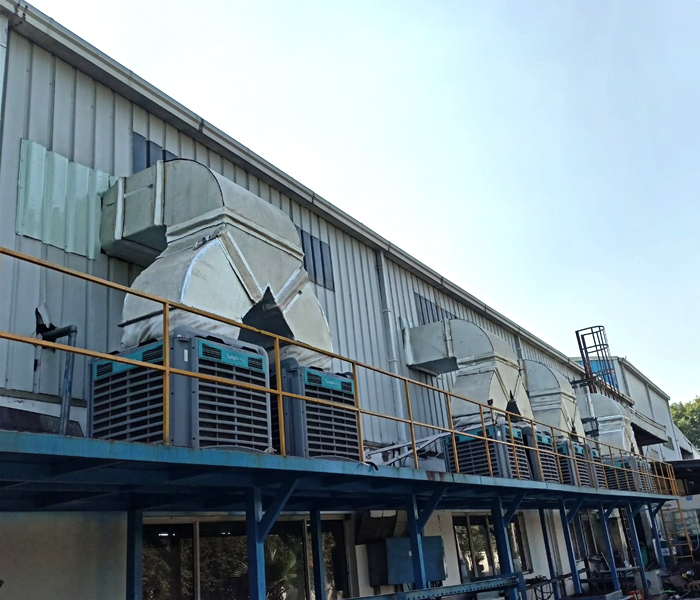
Duct air coolers placed strategically in processing areas help stabilize temperatures without adding humidity. This ensures the preservation of tea quality while improving comfort for workers handling extended sorting and packing tasks.
Odor and Heat Control in Leather and Tannery Facilities
Kolkata’s leather clusters involve chemical treatments and heat-intensive drying processes, typically within enclosed and poorly ventilated facilities.
Leather Industry Challenges:
- High ambient heat from curing processes.
- Odor buildup from chemicals in stagnant air.
- Health risks due to poor ventilation.
Cooling Solution:
Heavy duty coolers equipped with duct outlets provide strong air movement, reducing both heat and odor levels. This improves air exchange, enhances workplace safety and aligns operations with occupational health standards.
Temperature Management in Printing and Publishing Units
Printing presses operate continuously with high-speed machines that generate heat. These environments demand strict temperature control for optimal ink application and paper handling.
Publication Unit Challenges due to heat:
- Heat causes ink to smear or bleed.
- Paper stock deforms under fluctuating temperatures.
- Machines lose calibration in unstable environments.
Cooling Solution:
Targeted cooling systems near printing and binding stations help regulate the immediate surroundings. By maintaining steady airflow, these systems protect materials and support consistent machine performance.
Spot Cooling for Mixed Manufacturing Zones
Many industrial units in Kolkata house a mix of operations-metal work, electronics, garment production-under one roof, resulting in uneven temperature zones.
Challenges:
- Centralized HVAC is often too costly or impractical.
- Some zones require more cooling than others.
- Energy consumption must be controlled.
Cooling Solution:
Industrial air coolers allow for targeted temperature control in high-heat zones. Customized duct layouts enable facility managers to create cooling corridors where needed, improving overall comfort and reducing heat-related disruptions.
Reducing Worker Fatigue Across Industrial Units
A common concern across sectors is the heat fatigue. Employees working long hours in high-humidity conditions face declining productivity, health issues and reduced concentration.
Challenges:
- Decreased output during high-temperature hours.
- Heat-related absenteeism and discomfort.
- Increased errors during manual operations.
Cooling Solution:
Duct air coolers provide consistent airflow across workstations and production floors. These systems support better thermal comfort throughout shifts, directly contributing to improved worker morale, safety and overall output.
Conclusion
Kolkata’s industrial sectors are dynamic and diverse, but they operate under intense thermal stress. High ambient temperatures, compounded by limited ventilation, make heat management a critical issue for businesses across the city.
By deploying industrial cooling systems-including duct air coolers, portable units and heavy-duty models-manufacturers in Kolkata can improve working conditions, protecting equipment and enhancing productivity. Whether in jute mills, tea processing centers, tanneries or printing units, these cooling solutions are now essential for maintaining efficiency and meeting modern industrial standards.
FAQs about Industrial Cooling Solutions
Industrial Cooling Solutions: Addressing Heat Challenges in Kolkata’s Key Industries
Why are industrial coolers important in Kolkata’s factories?
Kolkata’s humid climate and machinery-heavy environments lead to high indoor temperatures. Industrial coolers help maintain comfortable working conditions, safeguard materials and improve overall productivity.
Which industries benefit most from industrial cooling in Kolkata?
Key sectors include jute processing, tea manufacturing, leather tanning, printing and multi-purpose manufacturing facilities.
Are ducting coolers suitable for large-scale textile or tea units?
Yes. Ducting coolers offer wide-area cooling and are ideal for large open-floor setups where uniform airflow across machinery and workers is essential.
Do industrial coolers help reduce health risks in leather facilities?
Absolutely. By improving air circulation and reducing heat, coolers minimize exposure to fumes and lower the risk of heat-related health issues.
Are these systems already in use across Kolkata?
Yes. Numerous industrial sites in Kolkata have adopted air and duct cooling systems to successfully manage heat and enhance workplace conditions.

Maulik Solanki is a seasoned B2B Product Marketing professional specializing in Industrial and Commercial Coolers in the LSV (Large Space Venticooling) segment. With 13+ years of experience, he drives brand building and audience engagement for Symphony’s LSV solutions through integrated offline and online strategies. Backed by an MBA in Marketing and earlier experience as a Regional Marketing Manager in banking, Maulik brings strong skills in sales, advertising, and events. He enjoys exploring new marketing ideas and cooling technologies and writes to help readers understand Symphony’s offerings.

Sourav Biswas is a senior marketing leader heading the LSV (Large Space Venticooling – B2B) marketing function at Symphony Limited. He shapes the brand’s strategic narrative, strengthens market leadership, and ensures excellence across all B2B cooling solutions. With deep expertise in Strategic Marketing, Brand Management, Advertising, and PR, he reviews content with analytical precision and alignment to Symphony’s vision. Passionate about mentoring and tracking B2B trends, Sourav ensures every content piece reflects accuracy, relevance, and strategic depth.