
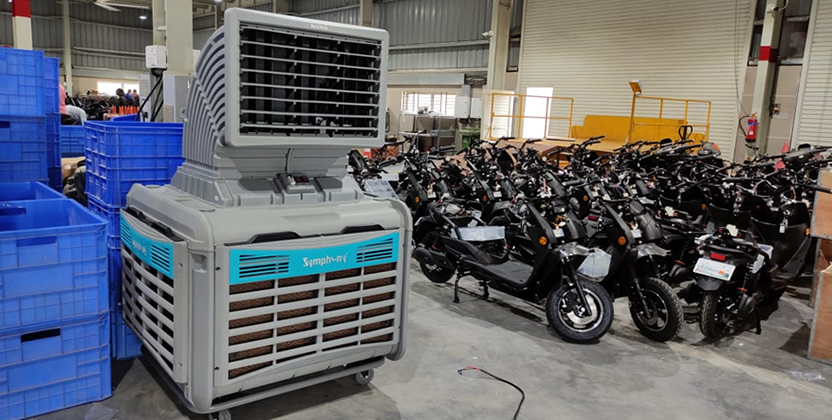





Industrial and commercial environments often face unique cooling challenges due to their size, equipment, and constant movement. Industrial/commercial portable coolers have become essential tools for maintaining a comfortable and productive atmosphere in these spaces. It is important knowing how to efficiently relocate and reconfigure your cooling system is crucial to maintaining airflow, temperature, and overall system efficiency.
In this guide, we’ll walk you through the four simple steps to relocate and reconfigure your coolers for industries or commercial establishment with ease. These steps will ensure you can adjust your cooling solutions to changing needs, maximize efficiency, and even cut down on operational costs.
Table of Contents
Assess Your Current Setup and Needs
Before you even think about relocating or reconfiguring your industrial portable air cooler or commercial air cooler, the first step is to assess your current cooling setup. Different spaces require varying cooling capacities, so understanding your specific needs is critical.
Step 1: Identify Your Cooling Requirements
- Evaluate the Space: Start by assessing the area that needs cooling. Whether it’s a warehouse, factory, office, or restaurant, understanding the space is essential for choosing the right air cooler industrial type and configuration. Take note of the room’s size, layout, and airflow patterns.
- Understand the Cooling Load: Consider the heat sources in your space, such as machines, electronics, or even the number of people working in the area. If you’re using a commercial cooler for restaurant, ensure the air cooler has enough capacity to handle the increased heat load.
- Current System Performance: If you already have an industrial evaporative air cooler, observe how well it is performing. Is it cooling the area evenly? Are there areas where airflow is weaker? Is there any need for additional cooling?
Once you’ve assessed the space and cooling needs, you can decide whether you need a larger or smaller cooler, or if a simple reconfiguration of the existing system will suffice.
Step 2: Measure Available Power Sources
Many industrial air coolers require a substantial power supply. Therefore, when relocating your system, check if the new location has access to the proper electrical outlets or circuit capacity to handle the cooler. Ensure the cooling unit’s power requirements align with the available power sources in the new location.
Plan the New Location and Setup
Once you’ve determined your space’s needs and the power requirements, it’s time to plan the new location and how the industrial air cooling system will be set up. Relocating a commercial air cooler can be a delicate process because positioning is key to ensuring efficient airflow and overall effectiveness.
Step 1: Choose the Ideal Location
- Proximity to Heat Sources: When repositioning your industrial air cooler in India or anywhere else, it’s important to place it near the heat source but not directly on top of or too close to any heat-emitting equipment. This allows the cooler to absorb and dissipate heat more efficiently.
- Access to Ventilation: Ensure the cooler has proper ventilation. The cooler will need a free airflow path for maximum cooling efficiency. Avoid blocking the inlet or outlet of the cooler with furniture or equipment.
- Space for Mobility: If you plan to move your commercial portable air cooler between different areas, ensure the new setup allows for easy mobility. This is especially important for cooler commercial use, where frequent movement might be required.
Step 2: Set Up Proper Water and Drainage Systems
If you’re using an industrial evaporative air cooler, you’ll need to ensure proper water supply and drainage. Some units come with a built-in water tank, while others require an external water line. Make sure the new location provides easy access to clean water and a drainage system to avoid water buildup and potential system malfunctions.
Disconnect and Move the Cooling Unit
Now that you’ve planned the new location and have a clear understanding of the requirements, it’s time to disconnect and move the industrial cooling solution. Whether you’re dealing with an off-the-shelf air cooler industrial use, proper handling is crucial.
Step 1: Disconnect the Power and Water Lines
- Turn Off the Power: Before moving your industrial air cooler, always disconnect it from the power source to avoid any electrical accidents.
- Disconnect Water Lines: If your commercial air cooler relies on a water connection, disconnect the hose or water supply. For models with a water tank, drain the remaining water to avoid spillage and internal damage.
Step 2: Transport the Cooler Safely
- Use Proper Equipment: Moving an industrial air cooler can be heavy, so use dollies or carts designed for such equipment to prevent physical strain or damage.
- Avoid Sharp Turns or Drops: Make sure to handle the cooler with care to avoid knocking or dropping it.
- Protect the Unit: Wrap the cooler with soft materials such as blankets or foam to protect it from scratches or dents during the move.
Reconfigure and Reconnect the System
After relocating your air cooler industrial type to its new position, the final step is to reconfigure the system and reconnect it to power and water sources. This is where the careful planning you did earlier comes into play.
Step 1: Reposition and Level the Cooler
Once the industrial cooling systems are in place, make sure the unit is sitting on a level surface. A crooked cooler will not perform efficiently and may result in uneven cooling or water spillage. If your industrial air cooler supplier provided you with specific installation instructions, now’s the time to follow them carefully.
Step 2: Check Power and Water Connections
- Reconnect the Power Supply: Plug the cooler back into the electrical outlet, ensuring that the power requirements match those of the original setup.
- Reconnect the Water Supply: If your industrial evaporative air cooler relies on an external water source, reconnect the water supply to ensure that the system can function properly.
- Test for Leaks or Faults: Before turning on the cooler, check for any water leaks or electrical faults. Run the system for a short period to test its operation. Listen for any unusual sounds and observe the airflow to confirm the system is working correctly.
Step 3: Test Cooling Efficiency
Now that your industrial cooler is reconnected and reconfigured, test its cooling efficiency in the new setup. Make sure the air cooling unit is performing optimally by checking the airflow, temperature regulation, and cooling power.
If there’s any noticeable reduction in performance, check the airflow path again, clean the cooling pads (if applicable), and ensure that the evaporative air cooler is receiving a sufficient water supply.
Conclusion
Relocating and reconfiguring industrial/commercial portable air doesn’t have to be a daunting task. By following these four simple steps, you can efficiently move your system to a new location, reconfigure it for better performance, and ensure that your industrial cooling solutions are running optimally.
With the right knowledge and approach, your air cooler will continue to serve your space effectively, no matter where you move it.
FAQs About Industrial or Commercial Portable Cooling Systems
How to Relocate and Reconfigure Industrial or Commercial Portable Cooling Systems in 4 Simple Steps
How often should I relocate my industrial or commercial air cooler?
You should only relocate your cooler if necessary, such as when the space's cooling needs change or if the current location doesn't offer optimal performance.
Can I move my industrial air cooler by myself?
It depends on the size of the cooler. Smaller units can often be moved alone, but larger ones may require more than one person or proper equipment like a dolly.
What should I check before reconnecting my air cooler?
Ensure that the power and water connections are secure, and test the system for any faults before turning it back on.
Will relocating my cooler affect its efficiency?
If you carefully follow the reconfiguration steps and ensure proper ventilation, the cooler’s efficiency should remain the same or even improve.
What is the best way to maintain my cooler after relocation?
Regularly clean the filters and cooling pads, check the water levels, and ensure the airflow paths are clear for maximum efficiency.

Maulik Solanki is a seasoned B2B Product Marketing professional specializing in Industrial and Commercial Coolers in the LSV (Large Space Venticooling) segment. With 13+ years of experience, he drives brand building and audience engagement for Symphony’s LSV solutions through integrated offline and online strategies. Backed by an MBA in Marketing and earlier experience as a Regional Marketing Manager in banking, Maulik brings strong skills in sales, advertising, and events. He enjoys exploring new marketing ideas and cooling technologies and writes to help readers understand Symphony’s offerings.

Sourav Biswas is a senior marketing leader heading the LSV (Large Space Venticooling – B2B) marketing function at Symphony Limited. He shapes the brand’s strategic narrative, strengthens market leadership, and ensures excellence across all B2B cooling solutions. With deep expertise in Strategic Marketing, Brand Management, Advertising, and PR, he reviews content with analytical precision and alignment to Symphony’s vision. Passionate about mentoring and tracking B2B trends, Sourav ensures every content piece reflects accuracy, relevance, and strategic depth.