





Pune, one of India’s fastest-growing industrial hubs, is home to a multitude of manufacturing units, IT parks, logistics facilities and automotive plants. With its burgeoning industrial zones and frequent temperature surges, especially during the harsh summer months, ensuring a comfortable working environment becomes a top priority. In recent years, the adoption of industrial air coolers has become increasingly crucial for maintaining operational efficiency and safeguarding workforce well-being.
Unlike air conditioners, industrial coolers are more energy-efficient and better suited for large open spaces like factory floors and warehouses. As industries strive to remain productive in Pune’s challenging climate, investing in a reliable industrial cooling system is not just a luxury – it’s a necessity. This guide explores the underlying factors that make air coolers for industrial use essential in Pune and how businesses can effectively implement them to mitigate heat-related challenges.
Table of Contents
Pune’s Climatic Conditions and Its Industrial Impact
Pune’s climate is semi-arid, with high summer temperatures that regularly breach the 40°C mark. From March to June, heatwaves are common and industrial buildings, often constructed with metal roofs and limited ventilation, trap heat. This accumulation of internal heat can disrupt worker productivity, pose serious health risks and even cause machinery to overheat.
Industrial air coolers provide an effective cooling solution by utilizing evaporative cooling technology, which naturally lowers indoor temperatures while maintaining humidity balance. These industrial cooling units not only make workspaces more habitable but also reduce heat stress, leading to improved staff efficiency.
Rising Temperatures and Its Operational Implications
Pune’s summer temperatures have been rising steadily over the years due to urbanization and climate change. Industrial zones, with concrete surroundings and metal structures, absorb and retain heat, turning into virtual heat islands. Inside such facilities, temperatures can soar beyond external levels, especially when machinery emits additional heat.
Such high indoor temperatures may result in:
- Slower production rates due to worker fatigue.
- Downtime from overheated equipment.
- Reduced material quality in heat-sensitive production.
Deploying heavy duty industrial air coolers can significantly alleviate these issues. These systems are capable of handling large-scale spaces and are designed for high-performance cooling even during extreme temperatures. Additionally, they consume less energy compared to HVAC systems, making them economically viable for long-term use.
Expanding Industrial Zones Demand Better Cooling Solutions
Pune’s rapid industrialization has led to the development of vast industrial corridors in areas like Chakan, Ranjangaon, Talegaon and Hinjewadi. These zones house massive warehouses, assembly lines and IT infrastructure – all requiring optimal temperature control for smooth operations.
New industrial setups typically consider modern infrastructure, but many existing factories continue to operate in dated buildings with minimal cooling provisions. As these industries scale, the internal heat generated from increased operations creates uncomfortable working conditions. The integration of an industrial cooling system becomes essential to maintain safe and productive environments.
Modern industrial air cooler manufacturers now offer scalable solutions tailored for different industrial sizes and layouts. These systems come equipped with smart controls, energy optimization features and low maintenance needs, making them ideal for Pune’s growing industrial needs.
Poor Natural Ventilation in Industrial Structures
Older or budget-constructed industrial buildings in Pune often lack proper architectural design for airflow. Such structures may have small or blocked windows, limited roof height and thick walls, all contributing to poor air circulation. Urban industrial zones further restrict natural ventilation, causing hot air to stagnate inside.
In these environments, air movement is minimal and cooling becomes extremely inefficient without mechanical intervention. Air Coolers are designed to push large volumes of cool air through designated ducts or open spaces, creating a steady airflow that replaces stale, hot air with fresh, cool air.
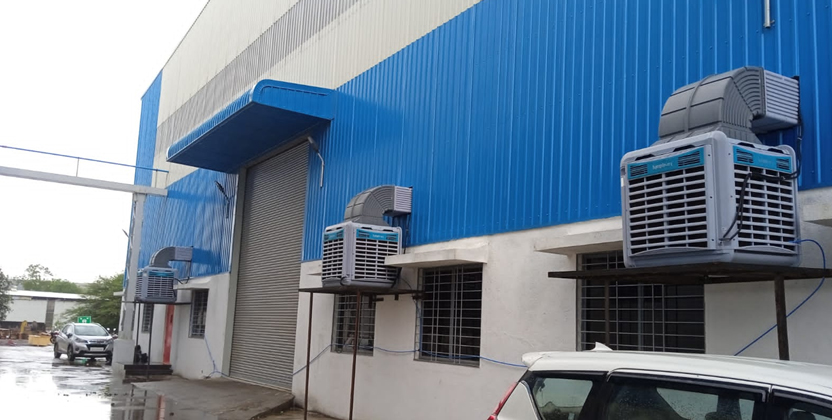
Installing wall-mounted or rooftop industrial coolers in key airflow paths can dramatically enhance air circulation, bringing down internal temperatures by several degrees and improving overall air quality. These solutions also help reduce the dependency on ceiling fans and other ineffective cooling methods.
Power Constraints in Peak Summer and Efficient Cooling Alternatives
Another challenge for Pune’s industrial zones – especially those located on the city’s outskirts – is the frequent occurrence of power outages and voltage fluctuations during peak summer months. These disruptions can halt operations, damage sensitive equipment and create discomfort in uncooled environments.
Conventional air conditioning systems, which draw heavy power loads, are often impractical in such scenarios. In contrast, industrial coolers operate efficiently on lower power and are less susceptible to damage from voltage drops. Modern industrial cooler prices also remain competitive, offering long-term cost savings over traditional HVAC systems.
Industrial Cooling Equipment Longevity and Quality Control
Just as heat affects humans, it also impacts machines and materials. High ambient temperatures can cause industrial equipment to overheat, reduce the efficiency of sensitive electronics and lead to material deformation or spoilage, especially in manufacturing units dealing with food processing, pharmaceuticals or plastics.
This degradation not only increases maintenance costs but also threatens product quality and consistency. Heavy duty industrial air coolers mitigate these risks by stabilizing indoor temperatures and preventing heat buildup around machinery and sensitive zones.
For instance, by strategically placing industrial cooling units near production lines, manufacturers can safeguard temperature-sensitive operations without resorting to full-fledged air conditioning. This approach preserves the integrity of both equipment and products while reducing overall operational expenses.
Customization and Scalability for Diverse Industrial Setups
Industrial facilities in Pune vary greatly in size, function and layout. From multi-level garment manufacturing units to expansive automobile plants, each site demands a tailored approach to cooling. The versatility of industrial air cooler manufacturers today allows for a high level of customization.
Solutions can include:
- Portable air coolers for specific hot spots
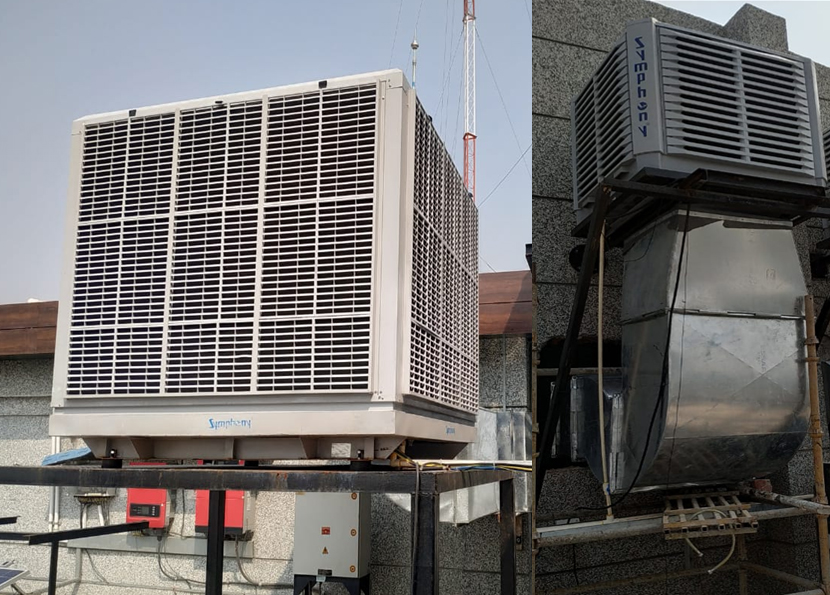
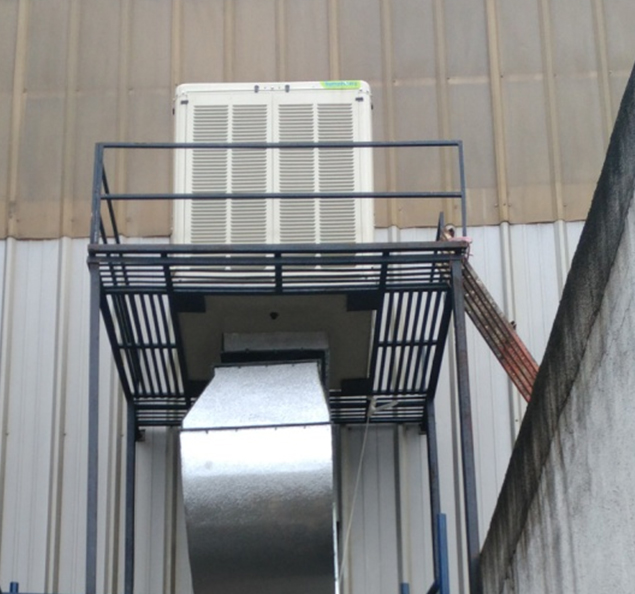
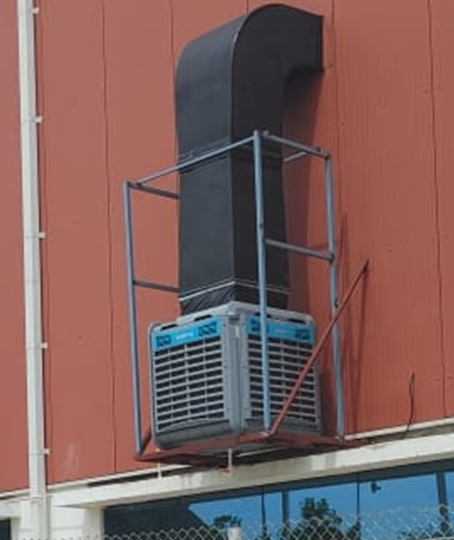
- Ducted systems for large halls and assembly areas
- Rooftop or wall-mounted units for continuous airflow
- Zoned cooling solutions to optimize usage during partial operations
Whether a facility spans a few hundred square meters or several acres, scalable industrial cooling systems can be designed to match airflow and cooling requirements precisely. This flexibility ensures maximum coverage without over-investing in unnecessary infrastructure.
Moreover, modular systems allow industries to expand its cooling setup as operations grow – making them a future-proof investment.
Making the Right Choice: Choosing the Ideal Industrial Cooler in Pune
When selecting an industrial cooler, it’s crucial to evaluate:
- Cooling Area: Determine square footage and ceiling height.
- Airflow Requirements: Measured in CFM (Cubic Feet per Minute), matched to the space.
- Water Tank Capacity: Larger tanks reduce refill frequency.
- Energy Efficiency: Look for models with high energy ratings.
- Noise Levels: Especially important in quieter workspaces.
- Installation Type: Portable, wall-mounted or ducted systems.
Symphony Venticool, as a leading Industrial air cooler manufacturer offer on-site assessments and tailored suggestions based on individual business needs. With the right consultation, Pune-based industries can make informed decisions that align cooling solutions with operational goals.
Conclusion
Pune’s industrial ecosystem continues to evolve, but so do its challenges – especially those related to rising temperatures, inadequate ventilation and energy constraints. To combat these heat-related issues effectively, industrial air coolers have emerged as the go-to solution for factories, warehouses and industrial plants across the city.
Offering a blend of efficiency, affordability and adaptability, these systems meet the unique demands of Pune’s environment and industrial architecture. From enhancing worker health and productivity to ensuring machinery longevity and energy conservation, Symphony’s industrial cooling systems prove to be not just optional tools, but essential investments in modern industrial management.
For industries aiming to future-proof their operations while optimizing operational comfort and compliance, the adoption of Symphony’s air coolers for industrial use is not just a smart move-it’s a necessary step forward.
FAQs About Industrial Air Coolers
Why Industrial Air Coolers are Essential for Pune’s Heat-Prone Industries?
What is the best type of industrial air cooler for Pune’s climate?
Evaporative air coolers are highly effective in Pune due to the city’s dry heat. They provide efficient cooling at a low operating cost, especially in large industrial spaces.
How do industrial air coolers help in power-constrained areas?
They consume significantly less power than air conditioners, making them ideal during voltage drops or scheduled power cuts in Pune’s industrial zones.
Can air coolers be customized for older industrial buildings?
Yes, many models are designed for retrofit compatibility, including portable and wall-mounted units suitable for older facilities with poor ventilation.
Are industrial air coolers environmentally friendly?
Yes. They use water for cooling rather than chemical refrigerants and operate on low electricity, making them an eco-conscious option.

Maulik Solanki is a seasoned B2B Product Marketing professional specializing in Industrial and Commercial Coolers in the LSV (Large Space Venticooling) segment. With 13+ years of experience, he drives brand building and audience engagement for Symphony’s LSV solutions through integrated offline and online strategies. Backed by an MBA in Marketing and earlier experience as a Regional Marketing Manager in banking, Maulik brings strong skills in sales, advertising, and events. He enjoys exploring new marketing ideas and cooling technologies and writes to help readers understand Symphony’s offerings.

Sourav Biswas is a senior marketing leader heading the LSV (Large Space Venticooling – B2B) marketing function at Symphony Limited. He shapes the brand’s strategic narrative, strengthens market leadership, and ensures excellence across all B2B cooling solutions. With deep expertise in Strategic Marketing, Brand Management, Advertising, and PR, he reviews content with analytical precision and alignment to Symphony’s vision. Passionate about mentoring and tracking B2B trends, Sourav ensures every content piece reflects accuracy, relevance, and strategic depth.