





Symphony Venticool

0:00 / 0:00

Chennai, the capital of Tamil Nadu and a key industrial hub, is known for its thriving automotive, electronics, textile and engineering sectors. However, the city also faces high heat and humidity throughout the year, which poses a serious challenge to maintaining safe and efficient working environments-especially in factories and workshops where machinery generates additional heat.

In such settings, industrial air coolers are not just a luxury-they are essential. These systems help manage temperatures, support worker comfort, protect sensitive materials and ensure smooth operations. As demand for industrial efficiency grows, so does the adoption of advanced industrial cooling systems across Chennai’s core industries.

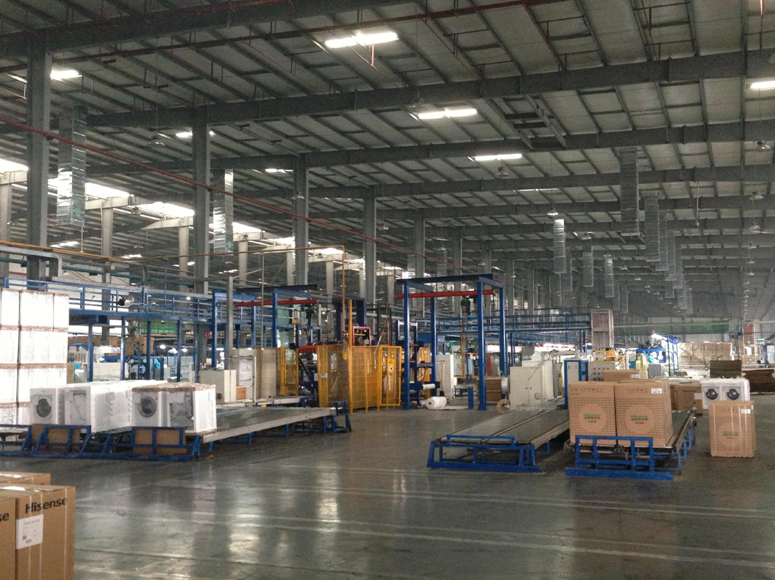
Often referred to as the “Detroit of India,” Chennai hosts numerous global automobile brands and their component suppliers. Production areas such as assembly lines, welding stations and upholstery zones experience intense heat due to constant machinery operation.

Why Industrial Cooling is Critical?

  • Prolonged heat reduces worker efficiency and impacts machine performance.
  • Spot cooling using high-capacity air coolers improves working conditions.
  • Ductable models help regulate temperature in long production bays.

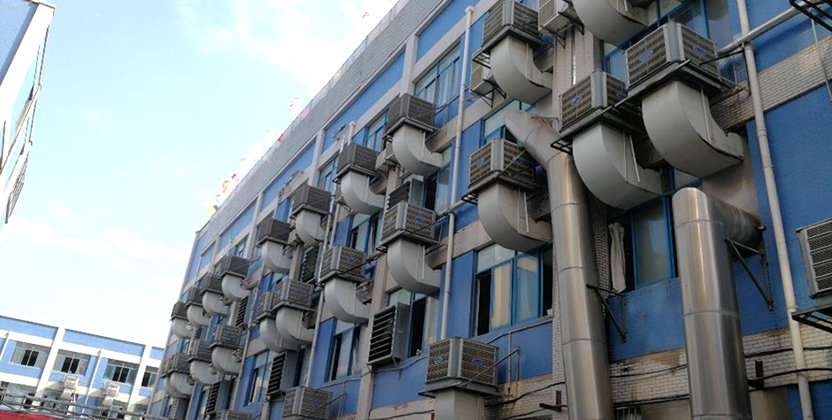
By installing heavy duty industrial air cooler with duct extensions, manufacturers ensure uniform airflow across wide factory floors-enhancing productivity and safeguarding both workers and equipment.

Industrial Cooler in Electronics & Electrical Equipment Manufacturing

Electronics manufacturing in Chennai involves temperature-sensitive processes, including PCB assembly, soldering and automated inspections. These areas are vulnerable to overheating, which can damage components or shorten equipment lifespan.

Cooling Solutions for Electronics:

  • Compact air coolers provide precise spot cooling.
  • Cooling systems help stabilize environments for servers and automation panels.
  • Industrial coolers with ducting reduce the need for full-scale HVAC systems.

These solutions allow manufacturers to maintain product quality and operational stability in compact, enclosed spaces.

Industrial Cooler Improves Textile & Apparel Industry

Chennai is home to a large textile and garment cluster that includes weaving, spinning, dyeing and tailoring units. High temperatures combined with fabric density and moisture content create challenging conditions.

Key Benefits of Air Cooling:

  • Prevents fabric damage due to heat and humidity.
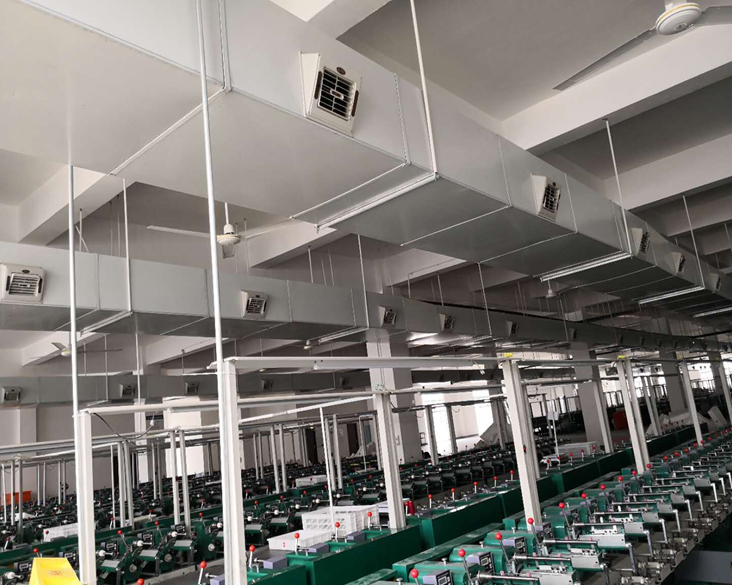
  • Enhances comfort for workers in large production halls.
  • Ducting coolers deliver uniform cooling via top or side discharge.

These systems also minimize humidity pockets, which can affect fabric texture or dye consistency, making them essential for quality control in textile production.

Food Processing & Beverage Industry

Not all food processing facilities are fully refrigerated. Areas like baking zones, dry processing rooms, packaging lines and spice grinding units often operate in high-temperature conditions.

Why Air Coolers Matter Here?

  • They ensure clean, ventilated workspaces.
  • Controlled airflow maintains hygiene without disturbing sensitive processes.
  • Customized ducting allows for targeted cooling in specific zones.

Duct air coolers help reduce heat stress and improve productivity while complying with hygiene standards critical to the food industry.

Industrial Air Cooling in Chemical & Plastics Manufacturing

Chemical plants and plastic molding facilities often run high-temperature processes that release heat and fumes. Industrial coolers are necessary to maintain safe working environments and process stability.

Industrial Air Cooler Benefits for Chemical Units:

  • Improve air circulation where traditional HVAC is unsuitable.
  • Industrial Air Cooler Models handle large volumes with high airflow capacity.
  • Cooling supports safe handling of volatile materials and extends machine life.

In environments with corrosive emissions, coolers with ducting help deliver fresh air while protecting internal equipment.

Engineering & Tooling Workshops

Chennai’s engineering sector includes precision tooling, CNC machining and heavy industrial units. These workshops generate substantial heat through grinding, welding and casting operations.

Role of Air Coolers in Engineering:

  • Reduce ambient temperature for operator safety and comfort.
  • Prevent thermal expansion in precision components.
  • Maintain stable conditions in quality control and inspection areas.

Industrial Air Coolers when integrated with central ducting, help maintain tolerances in high-precision applications, reducing rework and downtime.

Conclusion

Chennai’s industrial landscape demands robust solutions for heat management. Across automotive, electronics, textiles, food processing, chemicals and engineering sectors, industrial coolers have become a critical part of infrastructure. These systems offer reliable, energy-efficient cooling for spaces where traditional air conditioning may not be practical.

FAQs - Industrial Air Coolers

Industrial Coolers in High Demand Across Chennai’s Leading Industries

Why is industrial cooling important in Chennai’s factories?

Because of Chennai’s high heat and humidity, Air cooling unit help maintain safe temperatures, reduce worker fatigue and protect sensitive equipment from overheating.

Which industries in Chennai use industrial air coolers the most?

Key users include automotive, electronics, textiles, food processing, plastics, chemicals and engineering industries.

Can air coolers be used in electronics manufacturing?

Yes. Compact industrial air coolers with ducting options provide focused cooling, protecting sensitive components without needing full HVAC systems.

<< 1 >>


About the Author
About the Reviewer

Sourav Biswas is a senior marketing leader heading the LSV (Large Space Venticooling – B2B) marketing function at Symphony Limited. He shapes the brand’s strategic narrative, strengthens market leadership, and ensures excellence across all B2B cooling solutions. With deep expertise in Strategic Marketing, Brand Management, Advertising, and PR, he reviews content with analytical precision and alignment to Symphony’s vision. Passionate about mentoring and tracking B2B trends, Sourav ensures every content piece reflects accuracy, relevance, and strategic depth.


×
×
Index