
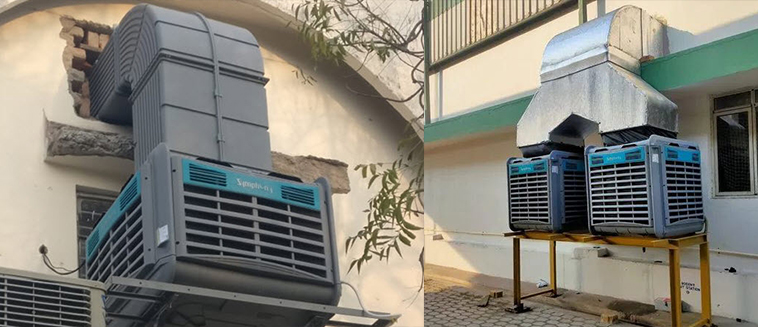




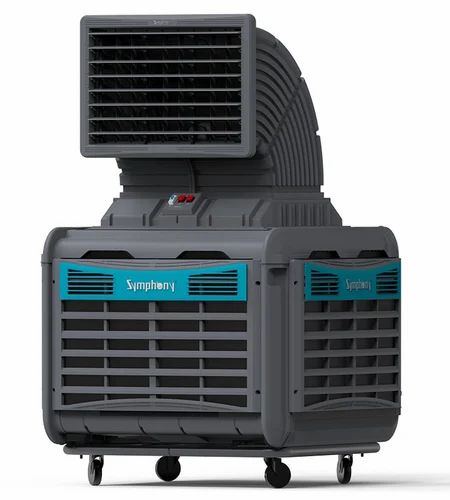

Industrial cooling is a critical component in aviation facilities, where maintaining optimal working conditions is not just about comfort but also about improving productivity, safety, and quality in operations. Aviation facilities, such as hangars, assembly halls, and maintenance units, demand cooling solutions that cater to the unique challenges of these large-scale environments. Below, we will explore the key considerations when selecting the industrial cooler for aviation facilities.
Table of Contents
The Unique Cooling Requirements of Aviation Facilities
Aviation facilities are large, open spaces often exposed to fluctuating temperatures and high levels of heat due to machinery, and outdoor elements. Cooling these environments requires robust and energy-efficient industrial coolers that can maintain a consistent temperature while addressing the scale of the area.
- High Airflow: Effective airflow is essential to manage heat generated by aviation equipment and machinery processes.
- Versatile Applications: These industrial air coolers should cater to areas with varying needs, from worker zones to machinery-specific sections.
Energy-Efficient Industrial Coolers for Aviation Manufacturing Plants
Energy saving is paramount in aviation facilities, where maintenance costs can be significant. Symphony’s advanced industrial coolers are designed with environment friendly features that reduce power consumption while delivering powerful cooling performance.
Benefits
- Eco-Friendly Cooling: Many modern coolers utilize water-based cooling systems, minimizing environmental impact.
- Cost Savings: Reduced power consumption translates to lower utility bills and long-term savings.
Maintaining Temperature in Hangars
Aircraft hangars are particularly challenging to cool due to their size and exposure to open space. Industrial coolers play a critical role in balancing temperature for both personnel and aircraft.
- Consistent Climate Control: A stable environment promotes aircraft systems that remain unaffected by climate variations.
- Heat Management: Reduced power consumption translates to lower utility bills and long-term savings. Industrial coolers mitigate heat build-up from engines and equipment, ensuring safe operations.
- Moisture Control: Preventing humidity is vital to protect aviation materials stored in hangars.
Reducing Downtime in Aviation Maintenance with Cooling Systems
In aviation, downtime during maintenance can lead to significant financial losses. Industrial cooling systems contribute to minimizing delays by creating a comfortable and productive workspace area.
- Improves Productivity: Cooling systems help workers stay focused, which reduces errors for better work performance.
- Quick Turnarounds: Cool environments make it easier for technicians to work on intricate machinery and components.
- Equipment Protection: Keeping maintenance areas cool ensures that tools and equipment remain in optimal working condition.
Worker Comfort in Aircraft Production Lines
Worker comfort is a key factor in the productivity and safety of aviation facilities. Industrial coolers are designed to provide consistent and effective cooling, even in demanding production environments.
- Supports Morale: Cooling systems help workers stay focused, which reduces errors for better work performance.Comfortable workers are more motivated, leading to higher job satisfaction and performance.
- Localized Cooling: Some coolers offer targeted cooling for specific workstations, ideal for areas with high heat concentration.
The Role of Industrial Coolers in Preserving Aviation Materials
Many aviation materials, such as composite parts, adhesives, and electronic components, are sensitive to temperature variations. Proper cooling is essential for the longevity and integrity of these materials.
- Temperature Stability: Industrial coolers maintain consistent temperatures to prevent material degradation.
- Humidity Regulation: Excess moisture can compromise adhesives and electronic components, making humidity control critical.
- Quality Assurance: Preserving material quality provides safety and reliability of aircraft.
Industrial Cooling Options for Aircraft Assembly Halls
Aviation facilities often operate on tight budgets, making cost-effective cooling solutions essential for Aircraft assembly halls. Modern industrial coolers offer high performance without the need for excessive spending.
Benefits of Symphony’s Industrial Coolers:
- Affordable Maintenance: Symphony’s advanced cooling systems are designed for easy upkeep, reducing long-term maintenance costs.
- Scalable Solutions: Modular cooling systems allow facilities to add or remove units as needed.
Innovative Cooling Technologies Shaping the Future of Aviation
The industrial cooling landscape is constantly evolving, with innovative technologies enhancing the efficiency and effectiveness of cooling solutions for aviation facilities.
- High-Performance Fans: Improved fan systems offer quieter, more powerful airflow, ideal for large aviation spaces.
- Safety is a top priority in aviation, and industrial coolers contribute significantly to create a secure working environment.
- Fire Prevention: Managing temperature reduces the risk of heat-induced fires in hangars and assembly lines.
- Clear Visibility: Some cooling systems reduce dust and airborne particles, improves visibility and air quality.
Factors to Consider When Choosing the Best Industrial Cooler for Aviation Facilities
When selecting an industrial cooler, aviation facilities must evaluate a range of factors that meets their specific needs are:
- Cooling Capacity: Assess the size of the facility and choose a cooler capable of covering the entire area.
- Portability: Portable coolers are ideal for areas that require flexible cooling solutions.
- Durability: Choose coolers built with robust materials that can withstand the demanding conditions of aviation environments.
Conclusion
Choosing the right industrial cooler for aviation facilities is a strategic decision that impacts productivity, safety, and operational efficiency. By focusing on energy efficiency, cooling capacity, worker comfort, and material preservation, aviation facilities can create an environment that supports seamless operations. Symphony Venticool industrial coolers, with their advanced technology and tailored solutions, are an excellent choice for meeting these demands.
FAQs - Industrial Coolers
Top Considerations When Choosing an Industrial Cooler for Aviation Facilities
What factors should I consider when selecting an industrial cooler?
Consider cooling capacity, energy efficiency, durability, and the specific needs of your aviation facility.
How do industrial coolers improve work comfort?
By maintaining a consistent and comfortable temperature, industrial coolers help prevent heat stress and boost morale.
What are the benefits of using Symphony industrial coolers?
Symphony coolers offer advanced technology and customizable solutions for various aviation requirements.

Maulik Solanki is a seasoned B2B Product Marketing professional specializing in Industrial and Commercial Coolers in the LSV (Large Space Venticooling) segment. With 13+ years of experience, he drives brand building and audience engagement for Symphony’s LSV solutions through integrated offline and online strategies. Backed by an MBA in Marketing and earlier experience as a Regional Marketing Manager in banking, Maulik brings strong skills in sales, advertising, and events. He enjoys exploring new marketing ideas and cooling technologies and writes to help readers understand Symphony’s offerings.

Sourav Biswas is a senior marketing leader heading the LSV (Large Space Venticooling – B2B) marketing function at Symphony Limited. He shapes the brand’s strategic narrative, strengthens market leadership, and ensures excellence across all B2B cooling solutions. With deep expertise in Strategic Marketing, Brand Management, Advertising, and PR, he reviews content with analytical precision and alignment to Symphony’s vision. Passionate about mentoring and tracking B2B trends, Sourav ensures every content piece reflects accuracy, relevance, and strategic depth.